Thailand Tattoo Tourism: What’s Changing in 2026
Culture
2026年7月14日
5
Chiang Rai Times

Thailand Tattoo Tourism: What’s Changing in 2026

AI サマリー

Thailand's tattoo tourism is evolving towards 2026, with travelers prioritizing cultural meaning and ethical practices over mere souvenirs. Increased scrutiny of artist skill and studio hygiene is expected, alongside a growing dichotomy between traditional Sak Yant and contemporary art.

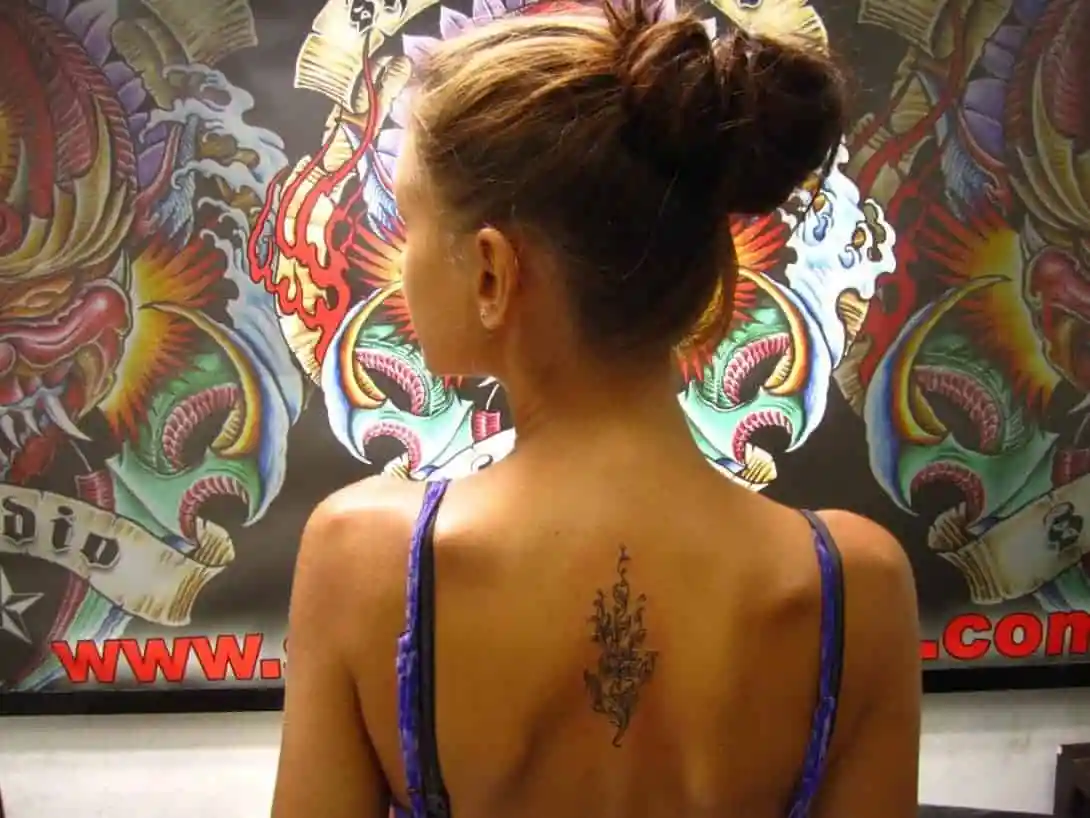
BANGKOK – Thailand is becoming a more appealing destination for travelers who want a tattoo with a story behind it. Some visitors seek a traditional Sak Yant blessing, while others book appointments with contemporary artists in Bangkok, Chiang Mai, Phuket, or other creative centers. In 2026, Thailand’s tattoo tourism is changing as travelers ask more questions before booking. They want cultural meaning, skilled artists, clean studios, ethical practices, and designs that feel personal rather than copied from a tourist menu. A tattoo connected to Buddhist or local traditions also deserves respect, since it shouldn’t be treated as a quick souvenir. The experience depends on more than choosing an artist. You need to understand what drives current travel trends, where visitors go, how to plan responsibly, what prices may include, and how long healing and aftercare can affect your trip. Studio hygiene, informed consent, translation, artist selection, and appropriate design choices all matter before the needle touches your skin. The sections ahead examine these changes and explain how to approach Thailand tattoo tourism with realistic expectations, cultural awareness, and a clear aftercare plan. Thailand’s tattoo tourism is growing because travelers want more control over the experience. They are planning consultations, researching artists, asking about hygiene, and allowing enough time for healing before returning home. That shift has created two clear paths. Some travelers pursue a traditional Sak Yant experience with spiritual guidance, while others book a contemporary tattoo inspired by Thai art. Both can be meaningful, but they involve different expectations, responsibilities, and cultural considerations. Sak Yant remains an important reason people travel to Thailand for tattoos. These traditional designs are connected to Buddhist beliefs, local spiritual practices, blessings, and protection. A temple-based experience or an appointment with an ajarn may include a ritual, chanting, or a blessing alongside the tattooing itself. The process also differs from a standard studio visit. A temple or ajarn-led Sak Yant experience may involve guidance about the design and its meaning. The practitioner may select or recommend a pattern based on the visitor’s intentions. By contrast, a commercial studio appointment usually centers on a consultation, an agreed design, placement, price, and tattooing session. Neither option automatically suits every traveler. Some visitors want the ritual and personal guidance that accompany Sak Yant. Others prefer a private studio, modern equipment, and a custom tattoo influenced by Thai patterns, temple details, mythology, or regional artwork. In that case, the result is a contemporary tattoo inspired by Thailand, not necessarily a traditional Sak Yant. Travelers should also avoid treating every Thai design as interchangeable decoration. A pattern associated with a blessing, monk, deity, animal, or sacred text may carry meanings that aren’t obvious to visitors. Certain images can also involve cultural rules, religious sensitivities, or expectations about placement and behavior. Before choosing a design, ask the artist or practitioner: A respectful tattoo journey begins with permission and understanding, not a screenshot saved from social media. Thailand can offer competitive tattoo prices, but cost is no longer the main reason many visitors book an appointment. Travelers are comparing line quality, healed work, studio cleanliness, communication, and the artist’s ability to create an original design. They also want a tattoo connected to a personal memory rather than a design selected from a crowded tourist menu. Online portfolios make that research easier. Instagram, TikTok, Google reviews, and short-form videos let travelers compare artists before arriving. However, attractive content can hide important details. A viral design may be copied from another artist, heavily edited, or presented without the cultural context behind it. Promotional videos may also show a brief moment in a studio without explaining sterilization, consent, or aftercare. A reliable artist should answer practical questions clearly. Ask who will tattoo you, whether the displayed work belongs to that artist, how the studio sterilizes reusable equipment, and which items are single-use. Request a consultation before paying a deposit, especially if you want a custom piece or a design connected to Thai religious traditions. A low advertised price cannot tell you whether the tattoo is safe, original, or suitable for your body. Clear communication matters just as much. You need to understand the design, placement, estimated session time, payment terms, and aftercare instructions before the appointment begins. Healing time also affects your travel plans. Fresh tattoos need protection from strong sun, swimming pools, seawater, friction, and excessive sweating. If you schedule the tattoo before several beach days or a long flight, the cheapest appointment may create the most expensive inconvenience. A trusted artist will help you choose a realistic date and explain how to care for the tattoo after leaving the studio. Thailand offers tattoo experiences that vary by city, artist, technique, and cultural setting. Bangkok suits travelers who want modern studio work and broad choice, while Chiang Mai has stronger links to Lanna culture and traditional tattoo practices. Phuket and the islands are convenient for vacationers, although beach activities can complicate the healing process. Your best destination depends on the tattoo you want and the rest of your itinerary. A custom studio piece requires different planning than a Sak Yant experience, and a beach holiday may leave little time for proper aftercare. Bangkok is a strong choice if you want access to many artists, tattoo styles, languages, and price points. The city has studios serving international visitors, local collectors, and first-time clients. You can find artists focused on custom blackwork, realism, Japanese-inspired work, fine-line designs, geometric tattoos, and cover-ups. That variety helps you compare portfolios instead of settling for the first available appointment. A traveler looking for a detailed realism piece may need a different artist than someone seeking delicate fine-line work. Likewise, cover-ups require careful planning because the artist must work with the shape, color, and scar tissue of the existing tattoo. Many Bangkok studios communicate in English, although the level of detail can vary between artists. Send reference images before booking, then explain your preferred size, placement, colors, and budget. Ask whether the person replying to your message is the artist who will tattoo you. Bangkok artists with strong reputations often book weeks or months ahead, especially for larger custom pieces. Booking early gives you more control over the artist and appointment time. It also leaves room

多角的分析

経済的影響

タイのタトゥー観光は、単なる低価格志向から、体験の質と文化的な深みを重視する方向へとシフトしている。これは、高付加価値サービスとしてのタトゥー産業の成長を示唆しており、関連産業(美容、医療、観光サービス)への波及効果も期待できる。一方で、質の高いアーティストやスタジオへの集中は、中小規模の事業者にとっては競争激化を意味する可能性もある。

投資家心理

投資家は、タイのタトゥー観光における「ストーリー」と「文化」への需要増加に注目すべきだ。これは、単なる物販観光とは異なり、体験型・高付加価値型観光への投資機会を示唆する。特に、衛生基準や倫理的慣行への関心の高まりは、これらの基準を満たすスタジオや関連サービスへの投資を有利にする可能性がある。オンラインでの評判管理や、文化的な背景を説明できるアーティストへの投資が鍵となる。

社会的影響

タイにおけるタトゥー観光の変容は、観光客が単なる消費者を越え、文化や伝統への敬意を払う主体へと変化していることを示している。伝統的なサクヤンが持つ精神性への関心は、タイの仏教文化やスピリチュアルな側面への理解を深める機会となる。一方で、安易な模倣や文化の商業化への懸念も浮上しており、観光客と地元コミュニティ双方の意識向上が求められる。

市民の声

バンコクやチェンマイの市民にとっては、タトゥーアーティストとしてのキャリアパスの多様化や、関連ビジネス(スタジオ、アフターケア用品販売、翻訳サービス)の機会増加が考えられる。しかし、観光客の増加に伴うスタジオの集中や、地域によっては騒音・衛生問題といった摩擦が生じる可能性も否定できない。また、伝統的なタトゥー文化の維持と現代的な需要とのバランスが、地域社会にとっての課題となるだろう。

背景・歴史的文脈

タイにおけるタトゥー、特に「サクヤン」は、単なる身体装飾にとどまらず、古くから仏教やアニミズム信仰と結びついた精神的な実践として根付いてきた。かつては寺院や特定の師(アジャーン)によって施術され、守護や幸運をもたらすものと信じられてきた。近年、タイの文化やスピリチュアリティへの関心の高まりとともに、外国人観光客の間でサクヤン体験への注目が集まっている。これに伴い、伝統的な寺院での施術に加え、近代的なスタジオでもサクヤンやタイ風のデザインを提供するアーティストが増加。2026年に向けて、旅行者は単なるデザインの選択だけでなく、施術者の倫理性、スタジオの衛生管理、そしてデザインに込められた文化的な意味合いをより重視するようになっている。

原文ソース

Chiang Rai Times

原文を読む