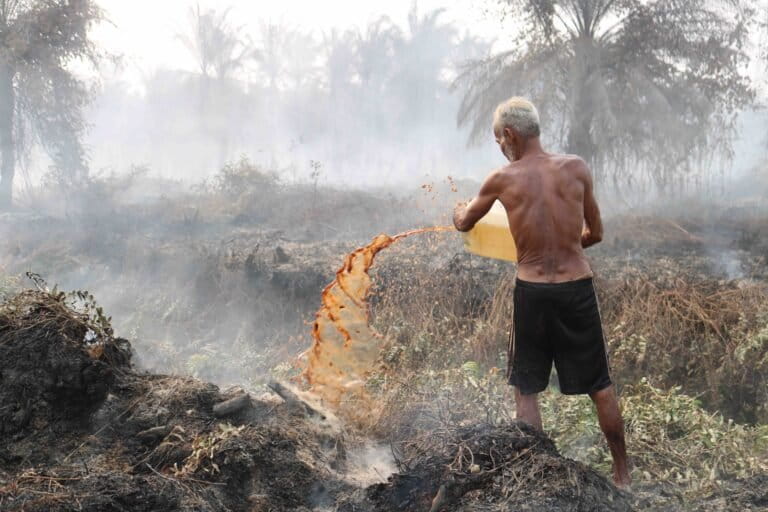
Indonesia's Forest Fires Worsen, Health Impacts Grow Amidst Government Lag
Indonesia is grappling with widespread forest and peat fires (karhutla) that are causing severe health impacts and exposing a lag in government response. Respiratory illnesses are on the rise, with fatalities reported, particularly in Kalimantan and Sumatra, due to thick haze.
Read up to 3 eligible full articles per Japan day (JST) for free
Create a free account to open up to 3 eligible full articles per Japan calendar day (JST). Headlines and summaries remain available across ASEAN 7.
Related articles
- Jakarta Prosecutor General Hints at 'Retaliation' from Handled Case Parties
Febrie Adriansyah, the Junior Attorney General for Special Crimes (Jampidsus), has hinted at the possibility of retaliation from parties involved in past corruption cases he handled. He cited that his previous cases resulted in over Rp131 trillion in obligations to the state, suggesting conflicts with powerful interests.
- Indonesia Weighs Malaysian Aid for Forest Fires, Assessing Needs
The Indonesian government is currently evaluating Malaysia's offer of assistance to combat forest fires (karhutla). The acceptance of aid will be determined after assessing operational needs, including personnel deployment, equipment, and logistics. The government denies any outright rejection and aims to provide accurate information to the public.
- SBY: Not All Former Presidents Are Statesmen, Some Only Think of Elections
Former Indonesian President Susilo Bambang Yudhoyono (SBY) stated that true statesmen prioritize national interests and possess a long-term vision beyond short-term political motives or elections. He differentiated statesmen from politicians who focus solely on re-election.
- Puan Urges Increased Fuel Supply to Alleviate Bali Shortage
House Speaker Puan Maharani has urged state oil company Pertamina to increase fuel supply and improve distribution to Bali, where residents face long queues and even fainting incidents due to scarcity. The shortage poses a significant threat to Bali's tourism-dependent economy and the wider national economy.