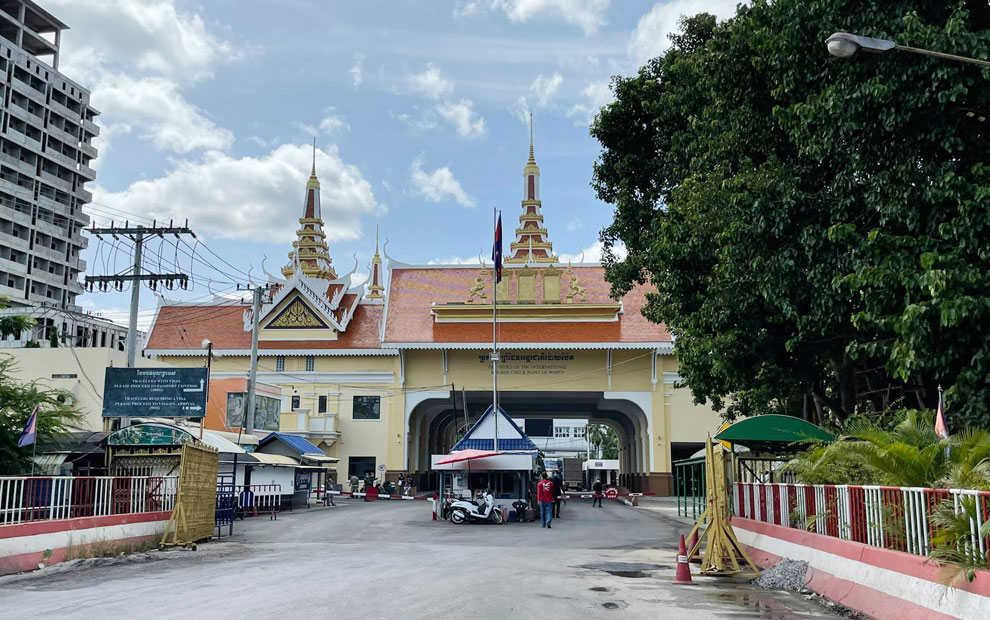
Cambodia-Thailand Trade Drops 37.5% in H1 Amid Border Closures
Bilateral trade between Cambodia and Thailand plummeted by 37.5% in the first half of the year to $1.37 billion, largely due to Thai border closures. Imports of fuel, vegetables, and fruits were severely impacted, while Cambodia seeks alternative sea and air routes.
This article requires PRO
This article is outside the free access window or is a special report. PRO unlocks it and the full archive.
Related articles
- Cambodia's Economic Growth Projected to Slow to 3.5% in 2026 Amidst Declining Private Consumption
Cambodia's economic growth is projected to slow to 3.5% in 2026, primarily due to a decline in private consumption, reduced remittances, high inflation, and low credit growth. While recovery is anticipated from 2027, the agricultural sector may face challenges from El Niño.
- Cambodia Discusses Trade and Investment Expansion with Germany and Saudi Arabia
Cambodia has held discussions with Germany and Saudi Arabia to expand trade and investment opportunities. Key focuses included promoting SMEs' participation in global value chains and enhancing Cambodian products' access to international markets.
- Budweiser Continues Sales in Cambodia Amidst Questions Over Thai Product Boycott
Amidst a growing boycott of Thai products in Cambodia, public questions are arising over the continued sale of Budweiser beer. Clarity is sought on the beer's country of origin, distribution channels, and whether it falls under government restrictions.
- Over 20 Food and Goods Samples Tested in Koh Kong Market, No Harmful Substances Found
Koh Kong provincial consumer protection officials have tested over 20 samples of food and goods at a local market, finding no harmful chemical substances. Authorities are urging vendors to provide safe products to consumers.