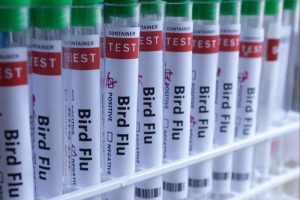
Philippines Reports Bird Flu Outbreak in Backyard Birds
The Philippines has reported an outbreak of highly pathogenic H5N1 bird flu among backyard birds in Oriental Mindoro province, the World Organization for Animal Health (WOAH) announced. The development has raised concerns among governments and the poultry industry.
The Philippines has reported an outbreak of highly pathogenic H5N1 bird flu among backyard birds in its Oriental Mindoro province, the World Organization for Animal Health (WOAH) said on Friday. The spread of avian influenza, commonly called bird flu, has raised concerns among governments and the poultry industry after it ravaged flocks around the world in recent years, disrupting supply chains and leading to significant economic losses. The outbreak in Oriental Mindoro was confirmed among backyard poultry, prompting further investigation into its transmission pathways and scope. The Philippines has experienced bird flu outbreaks in the past, each time necessitating swift implementation of biosecurity measures, including movement restrictions and disinfection protocols for poultry. Avian influenza is a highly contagious disease among birds, with rare instances of human transmission, posing a public health risk. Given the archipelagic nature of the Philippines, the movement of people and goods between islands could exacerbate the spread of the virus. Economically, beyond the direct impact on the poultry sector, concerns are also rising about potential effects on food prices. The poultry industry plays a crucial role in the Philippines' food security and provides significant employment. This latest outbreak could lead to temporary or long-term disruptions in these economic activities. For a country with a large overseas Filipino worker population, maintaining domestic economic stability is vital for remittance flows, making disease control a critical issue for the welfare of its citizens.
多角的分析
鳥インフルエンザの発生は、フィリピンの家禽産業に直接的な打撃を与えるだけでなく、鶏肉や卵の供給不足を引き起こし、消費者物価の上昇に繋がる可能性があります。特に、フィリピンでは食料品価格の変動が家計に与える影響が大きいため、政府は迅速な封じ込めと、必要に応じた市場への介入を行う必要があります。過去の事例では、鳥インフルエンザ発生後の数ヶ月間、関連製品の価格が不安定になる傾向が見られます。
今回の鳥インフルエンザ発生は、フィリピンの家禽関連企業への投資リスクを高める要因となります。サプライチェーンの寸断や、政府による移動制限措置は、生産活動の停滞を招く可能性があります。投資家は、短期的な価格変動だけでなく、長期的な業界の構造変化や、政府の防疫政策の有効性を注視する必要があります。食品加工業や小売業など、関連産業への波及効果も考慮に入れるべきです。
オリエンタル・ミンドロ州の地域住民、特に家禽を飼育している家庭にとっては、生計手段への直接的な脅威となります。感染拡大を防ぐための家禽の処分は、経済的な損失だけでなく、精神的な負担も伴います。また、鳥インフルエンザがヒトに感染するリスクは低いものの、依然として潜在的な懸念材料であり、地域住民の健康不安を増大させる可能性があります。食料供給への影響は、マニラ首都圏などの都市部でも、価格上昇として現れる可能性があります。
フィリピン市民、特に地方で小規模な家禽を飼育している人々は、突然の生計手段の喪失に直面する可能性があります。家禽の処分命令は、補償が十分でない場合、深刻な経済的困窮を招きます。また、鳥インフルエンザの発生は、食料品、特に鶏肉や卵の価格上昇を引き起こす可能性があり、日々の生活費を圧迫します。海外で働くフィリピン人労働者(OFW)からの送金に依存する家庭が多いフィリピンにおいて、国内経済の不安定化は、家族全体の生活基盤を揺るがしかねません。
背景・歴史的文脈
フィリピンでは、地理的条件や家禽の飼育形態から、過去にも鳥インフルエンザの発生が繰り返されてきました。特に、島嶼国家であるため、人や物の移動が感染拡大のリスクを高めやすい構造があります。2017年には、ルソン島北部で鳥インフルエンザが発生し、数万羽の家禽が処分される事態となりました。今回のオリエンタル・ミンドロ州での発生は、こうした過去の経験を踏まえ、迅速かつ効果的な防疫措置が求められる状況を示しています。家禽産業はフィリピン経済において重要な位置を占めており、その安定は国民生活に直結しています。
原文ソース
Interaksyon Politics