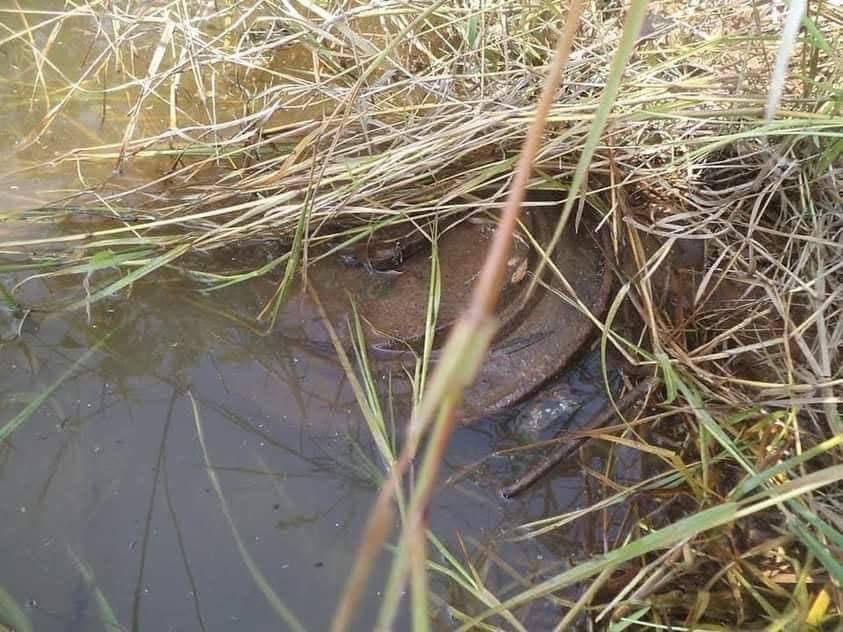
Floodwaters May Shift Hidden Explosives, Mine Authority Issues Warning Ahead of Heavy Rains
Environment
2026年7月16日
4
Phnom Penh Post
Relations
🇰🇭Cambodia🇹🇭Thailand

Floodwaters May Shift Hidden Explosives, Mine Authority Issues Warning Ahead of Heavy Rains

AI サマリー

Cambodia's mine authorities have warned that floodwaters from tropical storms could displace landmines and unexploded ordnance (UXO) into new areas, posing a significant risk to communities as the rainy season peaks. The warning highlights increased dangers, particularly in border provinces.

Cambodian mine authorities have warned that floodwaters triggered by Tropical Storms Bavi and Haishen could wash landmines, cluster munitions and other unexploded ordnance (UXO) into new areas. As the Kingdom enters the peak of the rainy season, this could create all-new risks for communities. In an advisory issued on July 16, the Cambodian Mine Action and Victim Assistance Authority (CMAA) urged provincial authorities, mine action operators and the public to remain on high alert, saying heavy rainfall and flooding could dislodge explosive remnants of war (ERWs) from known contaminated areas and carry them into previously cleared villages, farmland and public roads. The warning follows weather forecasts from the Ministry of Water Resources and Meteorology about the effects of the heavy rains brought by Tropical Storms Bavi and Haishen, which could lead to flooding in several provinces. “During and after flooding, landmines, cluster munitions and other ERWs may be washed away from contaminated areas and carried by floodwaters, posing a serious threat to people’s lives,” the CMAA said. The authority instructed provincial mine action committees and mine clearance operators to intensify public awareness campaigns, rapidly respond to reports of suspicious objects and immediately mark hazardous areas where explosives may have been deposited by floodwaters. Residents were also reminded never to touch, move or dismantle suspicious objects. They should instead report them immediately to village chiefs, commune authorities, security forces or nearby mine clearance operators. The advisory called on local authorities to ensure all reports of explosive ordnance are responded to promptly so that trained demining teams can safely remove and destroy the items. The warning comes as Cambodia continues to deal with decades-old contamination from past conflicts while also addressing new explosive hazards created during last year’s border conflict with Thailand. Cambodian authorities have repeatedly accused Thai forces of leaving behind UXOs, including artillery shells and other military explosives in several western border provinces following the 2025 hostilities. Clearance teams have since recovered numerous items from former frontline positions and areas around villages affected by the fighting, adding to Cambodia’s long-standing mine and UXO burden. The renewed flood-season warning is particularly significant for border provinces where thousands of displaced residents are gradually returning to their communities following last year’s ceasefire. Floodwaters can alter the location of buried mines and unexploded munitions, making previously safe ground hazardous and complicating efforts by clearance operators to identify contaminated areas. To reduce the risk of accidents, the CMAA said warning signs should be erected immediately in suspected hazardous areas affected by flooding and sediment deposits to prevent people from entering or crossing them. The authority also urged mine risk education operators to distribute additional educational materials explaining the dangers of explosive remnants during and after floods, particularly in rural communities where children and farmers are most vulnerable. Despite decades of clearance efforts, Cambodia remains one of the countries most affected by landmines and ERWs. The CMAA coordinates national mine action policy and works with domestic and international demining organisations to locate, clear and destroy explosive hazards while providing risk education to affected communities. Senior Minister Ly Thuch, first vice-president of the CMAA, called on all relevant ministries, provincial mine action committees, national and international operators and local authorities to implement the latest emergency measures and cooperate to protect communities throughout the flood season. With storms expected to continue bringing heavy rainfall across much of Cambodia in the coming days, authorities urged the public to remain vigilant, particularly in areas with a history of landmine contamination or recent military activity.

多角的分析

経済的影響

豪雨による地雷・不発弾の拡散は、農地やインフラへのアクセスを阻害し、農業生産性や地域経済の復旧に遅延をもたらす可能性がある。特に、避難から帰還した住民にとって、安全な土地の確保が遅れることは生計再建の大きな障害となる。また、地雷除去作業の拡大は、追加の予算と人的資源を必要とし、開発プロジェクトへの投資を圧迫する要因ともなり得る。

投資家心理

地雷・不発弾のリスク増加は、特に農村部や国境地帯での新規投資や既存事業の継続に不確実性をもたらす。インフラ開発や土地利用計画において、予期せぬ汚染区域の発生はコスト増加や計画遅延のリスクを高め、投資家にとってリスク評価を複雑化させる。長期的には、安全な環境の確保が投資誘致の前提となるため、この問題の継続的な解決が求められる。

社会的影響

洪水による地雷・不発弾の移動は、これまで比較的安全とされていた地域に住む住民、特に子供たちや農民の生活に直接的な脅威を与える。不審な物体への接触や、意図しない爆発事故の発生リスクが高まることで、住民の不安が増大し、日常生活や移動の自由が制限される。また、地雷除去作業の遅延は、帰還した避難民のコミュニティへの定着を困難にする可能性がある。

市民の声

洪水によって地雷や不発弾が移動し、これまで安全だった地域が危険になるという警告は、カンボジア国民、特に農村部や国境地帯に住む人々に直接的な不安を与えています。子供たちが遊ぶ場所や、農作業を行う畑がいつ危険な場所になるか分からない状況は、日常生活の質を低下させます。また、不審な物を見つけても、自分で対処できず、当局の対応を待たなければならないという状況は、無力感につながる可能性があります。過去の紛争の傷跡が、自然災害によって再び人々の生活を脅かすという現実は、多くの国民にとって深刻な懸念事項です。

背景・歴史的文脈

カンボジアは、長年にわたる内戦と近年の国境紛争により、世界でも有数の地雷・不発弾汚染国である。特に、1970年代後半のポル・ポト政権下およびその後の内戦期に大量に埋設された地雷は、現在も多くの地域で人々の生活を脅かしている。2025年のタイとの国境紛争(※原文の2025は誤記の可能性が高いが、原文通り記載)でも、新たな不発弾が追加された。雨季の洪水は、これらの埋設物を移動させ、これまで浄化された、あるいは汚染されていないと見なされていた地域に危険をもたらす。これは、地雷除去作業の複雑化と、住民へのリスクを増大させる構造的な問題である。

原文ソース

Phnom Penh Post

原文を読む