West Bengal Egg Row Highlights India's Societal Divisions
A controversy over the removal of eggs from school meals in India's West Bengal highlights the tension between individual choice in modern society and the preservation of traditional community customs.
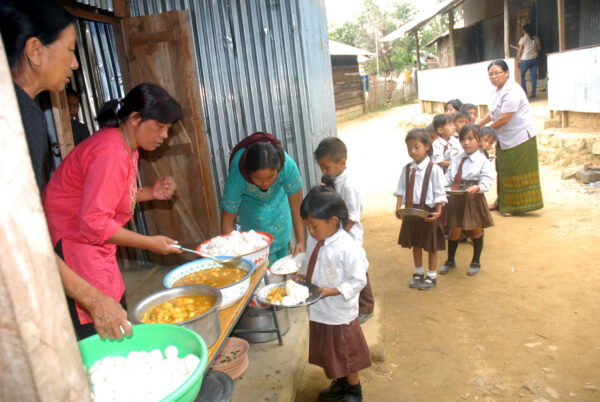
A significant controversy has erupted in India's West Bengal, where a Bharatiya Janata Party (BJP) government, whose support base includes traditionalist Hindus, recently moved to drop eggs from the midday meal program in the state capital, Kolkata. The midday meal program is a crucial policy that has helped reduce malnutrition among India's large population of poor and hungry children. Eggs are considered a vital and cost-effective source of protein for growing children. However, the government proposed to award the contract for meal preparation to the International Society for Krishna Consciousness (ISKCON), a group that promotes a vegetarian diet. While ISKCON is known for its quality products, its catering services do not offer options for eggs or meat. Many traditional schools of Hindu, Jain, and Buddhist thought, including Vaishnavism, advocate for a sattvic diet, which promotes mental clarity and peace by avoiding pungent foods, meat, and eggs. Many such groups believe eating eggs is akin to consuming embryos. Furthermore, different jatis, or caste groups, have their own dietary traditions, with more prestigious jatis tending to follow sattvic diets that exclude eggs. Notably, 96 percent of Kolkatans are non-vegetarian. While schools in other Indian states like Karnataka or Bihar offer midday meals with both egg and eggless options, West Bengal is considering a model similar to neighboring Odisha, where schools could procure eggs separately with additional funding. At the root of this controversy lie politics and religious beliefs, but the issue extends beyond them. The West Bengal egg controversy sheds light on the broader structure of Indian society: how can a modern polity be created in a society with thousands of communities holding diverse cultural practices, including dietary expectations? For many families, it is not enough that their children are not forced to eat eggs or meat; choice itself becomes the problem. If students have the option of eating eggs or meat at school, they might drift away from their families' and communities' dietary customs. The distinction between an individual choosing to eat an egg privately and that choice being openly available to all is significant, explaining why proponents of egg exclusion frame their position as preventing children from being corrupted. The idea is for society to opt out of egg consumption by default, establishing a baseline vegetarian diet in public spaces to avoid tempting vegetarians. For traditional communities seeking to preserve their customs, public spheres like schools, malls, and restaurants pose a potential threat as they enable interaction and mixing between different jatis and communities. Issues like the egg controversy arise from the tension between the demands of traditional social units and the reality of a developing public sphere in contemporary India. No country, especially one as large, diverse, and globally connected as India, can restrict life solely to the familial sphere. The recent alleged murder in Maharashtra, linked to an arranged marriage dispute, also highlights the tension between parental choices and individual choices made in the public sphere. The premise of a democratic society with a market economy is that individuals can exercise their rights freely within the law. They can choose their food, purchase items, or marry whomever they meet, regardless of ancestral traditions. The foundations of traditional Indian social life starkly conflict with modernity and its offerings. Indians cannot have it both ways; in modernity, choices and options, including eggs, cannot be avoided if one wishes to consume them. Information Source: The Diplomat Indonesia
多角的分析
インドの給食プログラムにおける卵の排除は、タンパク質源としての安価で栄養価の高い食品へのアクセスを制限する可能性がある。これは特に、栄養不良が深刻な問題となっている低所得層の子供たちに影響を与える。ISKCONのような団体への委託は、その慈善活動の側面を強調するが、多様な食のニーズに対応できるか、またその経済的持続性についてはさらなる検証が必要である。長期的には、食の選択肢の制限が子供たちの健康と発達に経済的な影響を与える可能性も否定できない。
この論争は、インドの消費者市場における文化的な感受性と、企業がこれらの感受性をどのようにナビゲートすべきかを示唆している。ISKCONのような団体が食品供給契約を獲得することは、特定の宗教的・文化的な価値観を反映したビジネスチャンスを生み出す可能性がある。しかし、多様な食の嗜好を持つ層への対応が不十分な場合、消費者離れやブランドイメージへの影響も懸念される。投資家は、インド市場の複雑な社会文化的背景を理解し、多様なニーズに応えられる柔軟性を持つ企業に注目する必要がある。
西ベンガル州の卵論争は、インド社会に深く根差した伝統と現代性の間の緊張を浮き彫りにしている。特に、カースト制度や宗教的慣習に基づく食の規範が、公共の場である学校給食にまで影響を及ぼしている点は注目に値する。コルカタ住民の96%が非菜食主義者であるという事実は、伝統的なサットヴァ食の推奨が、現代の都市生活者の現実とは乖離していることを示唆している。また、子供たちが共同体の食の慣習から外れることを懸念する親たちの声は、伝統維持への強い願いと、子供たちの将来への不安を反映している。この問題は、個人の自由な食の選択と、共同体のアイデンティティ維持という、現代社会が直面する普遍的な課題を提起している。
「子供たちが卵を食べることで、家族や共同体の食の慣習から外れてしまうのではないか」という親たちの懸念は、地方都市の住民にとって切実な問題です。特に、伝統を重んじる地域では、子供たちが近代化の波に流され、古来からの価値観を失ってしまうことへの不安が強い。学校給食は、子供たちが日々の食事を摂る重要な場であり、そこで提供されるものが、家庭の食卓や地域の習慣と大きく異なると、子供たちのアイデンティティ形成にも影響を与えかねません。一方で、コルカタのように多様な食文化を持つ都市では、卵が排除されること自体に違和感を覚える市民も多いでしょう。この論争は、公的な場での食の選択が、個人の自由だけでなく、共同体の結束や文化の継承にも深く関わる問題であることを示しています。
背景・歴史的文脈
インドの学校給食プログラム(Mid-Day Meal Scheme)は、1960年代に一部の州で導入され、2001年に最高裁判所の指示により全国的に義務化された。このプログラムの目的は、学校への子供たちの就学率向上、出席率の維持、および栄養改善である。特に、タンパク質源として卵の提供は、多くの地域で子供たちの栄養状態改善に貢献してきた。しかし、インド各地には、宗教的・カースト的理由から肉や卵の摂取を避ける慣習を持つ共同体が多数存在する。BJP政権は、伝統的なヒンドゥー教徒の価値観を重視する傾向があり、過去にも宗教的な食の慣習を公共政策に反映させようとする動きが見られてきた。西ベンガル州の今回の論争は、こうした歴史的背景と、現代インドにおける多様な価値観の衝突を象徴している。
原文ソース
The Diplomat Indonesia