Ho Chi Minh City Eyes Double-Digit GRDP Growth by 2026 Driven by Trade and Services
Economy
2026年7月13日
5
VietnamPlus English
Relations
🇻🇳Vietnam🇨🇳China

Ho Chi Minh City Eyes Double-Digit GRDP Growth by 2026 Driven by Trade and Services

AI サマリー

Ho Chi Minh City aims for double-digit GRDP growth by 2026, prioritizing trade and services as key drivers. The city achieved its highest six-month growth in a decade in the first half of this year, but further acceleration is needed to meet annual targets. Enhancing the quality of foreign direct investment and stimulating domestic consumption are also crucial.

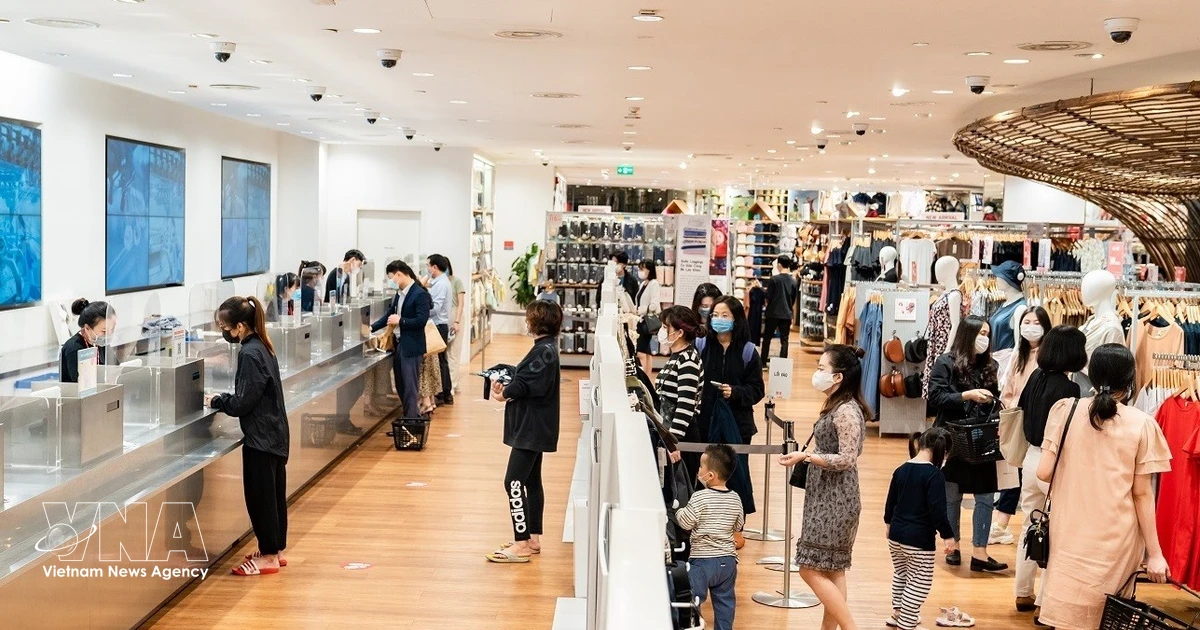
Ho Chi Minh City is aiming to achieve double-digit GRDP growth by 2026, with trade and services identified as key drivers for its economic expansion. The city recorded its highest six-month growth rate in a decade in the first half of 2026, expanding by 8.55%. To meet its annual target, however, the city needs to achieve over 11% growth in the third quarter and around 12% in the fourth quarter. Officials emphasize that reform policies must translate into tangible outcomes such as projects, products, jobs, and productivity gains. This requires businesses to spend less time on administrative procedures and gain more transparent access to land and capital, operating within a stable and predictable business environment. The city is home to 20,259 FDI projects with a total registered capital of nearly $142 billion from 152 countries and territories. In the first half of 2026 alone, Ho Chi Minh City attracted over $6.8 billion in FDI, fulfilling 62% of its annual target. Vietnam's development strategy increasingly positions FDI as a crucial engine for transforming its growth model, with a focus on quality, value addition, and enhancing the intrinsic capacity and self-reliance of the economy. Experts and businesses believe this policy shift is a timely strategic boost, enabling Vietnam to capitalize on the ongoing global supply chain realignment. Cooperation with strategic partners like South Korea, which possesses a developed capital market, modern banking system, and technological strengths, holds significant potential for developing financial centers. Initiatives to stimulate domestic consumption, boost retail sales, and promote Vietnamese brands are also underway. Long-term success will depend not only on the pace of growth but also on the quality and resilience of the economy and the sustainability of its growth engines. Investors globally are increasingly prioritizing locations based on renewable energy, carbon performance, circular economy solutions, and ESG standards, alongside traditional factors like costs and logistics. Vietnam's recent upgrade to a higher income category by the World Bank Group highlights its significant economic progress. To sustain and accelerate this development, the country must ensure its supply chains are sustainable and capable of generating long-term value, beyond simply adopting new technologies. Information Source: VietnamPlus English

多角的分析

経済的影響

ホーチミン市のGRDP成長率目標は、サービス業と貿易への依存度を高めることで、より持続的かつ高付加価値な経済構造への転換を目指す意図を示している。これは、従来の製造業中心の成長モデルから脱却し、知識集約型産業や国際的なサービスハブとしての地位確立を目指すベトナム全体の経済戦略と合致する。しかし、目標達成には、世界経済の動向、特に主要貿易相手国の景気動向や地政学リスクの影響を強く受けるため、経済の安定性と多様化が不可欠となる。また、インフレ抑制と為替レートの安定(USD/VNDの取引バンド+/-5%)も、投資環境の安定化に寄与する重要な要素である。

投資家心理

ホーチミン市が掲げる二桁成長目標は、投資家にとって魅力的な機会を提供する可能性がある。特に、FDIの質的向上に焦点を当てる政策は、単なる労働集約型産業から、技術移転や付加価値の高い分野への投資を促すだろう。企業への金利支払い支援(年間6%まで5年間)は、技術応用、移転、イノベーションプロジェクトへの投資を後押しする。ESG基準や再生可能エネルギーへの関心の高まりは、これらの分野への投資をさらに促進すると考えられる。一方で、急激な成長目標達成のための政策変更や、グローバルサプライチェーンの変動リスクには注意が必要である。

社会的影響

ホーチミン市の成長戦略は、国民生活に直接的な影響を与える。貿易とサービス業の拡大は、雇用機会の創出や所得向上に繋がる可能性がある。特に、国内消費を刺激するキャンペーンは、地元企業やベトナムブランドの発展を後押しし、消費者の選択肢を広げる。しかし、急速な都市開発や経済成長は、インフラへの負荷、交通渋滞、環境問題、そして地域間の所得格差拡大といった課題も生じさせる可能性がある。例えば、ホーチミン市とハノイ市の成長目標(ハノイは2026-2035年に年11%成長目標)の差は、将来的な都市間格差の拡大を示唆している。また、生活必需品や不動産価格の上昇も、市民の生活を圧迫する要因となりうる。

市民の声

ホーチミン市が掲げる二桁成長目標は、市民の生活に直接的な影響を与える。貿易とサービス業の拡大は、雇用機会の増加や所得向上に繋がる可能性がある。特に、国内消費を刺激するキャンペーンは、地元企業やベトナムブランドの発展を後押しし、消費者の選択肢を広げる。しかし、急速な経済成長は、インフラへの負荷、交通渋滞、環境問題、そして地域間の所得格差拡大といった課題も生じさせる可能性がある。例えば、ホーチミン市とハノイ市の成長目標(ハノイは2026-2035年に年11%成長目標)の差は、将来的な都市間格差の拡大を示唆している。また、生活必需品や不動産価格の上昇も、市民の生活を圧迫する要因となりうる。

背景・歴史的文脈

ホーチミン市が掲げる経済成長目標は、ベトナムが長年追求してきたドイモイ(刷新)政策以降の経済発展戦略の延長線上にある。特に、2000年代以降、世界経済のグローバル化と中国プラスワン戦略の流れの中で、ベトナムは外国直接投資(FDI)を積極的に誘致し、製造業を中心に急速な経済成長を遂げてきた。しかし、近年、ベトナム政府は、単なる製造業の集積地から、より付加価値の高い産業、特にサービス業やハイテク産業への転換を目指す方針を打ち出している。これは、グローバルサプライチェーンの再編や、より持続可能で質の高い成長へのシフトという世界的な潮流に対応するためである。ホーチミン市が貿易とサービスを成長の柱とするのは、この国家戦略を具体化する動きであり、同市がベトナム経済の中心地としての役割をさらに強化しようとする試みと言える。

原文ソース

VietnamPlus English

原文を読む