General articles are free for 24 hours after publish.
UN Report Urges Khmer-Language AI Investment for Cambodia's Digital Gap
A UN report highlights the urgent need for Cambodia to invest in Khmer-language AI, local datasets, and computing infrastructure to fully harness emerging technologies and bridge the digital divide.
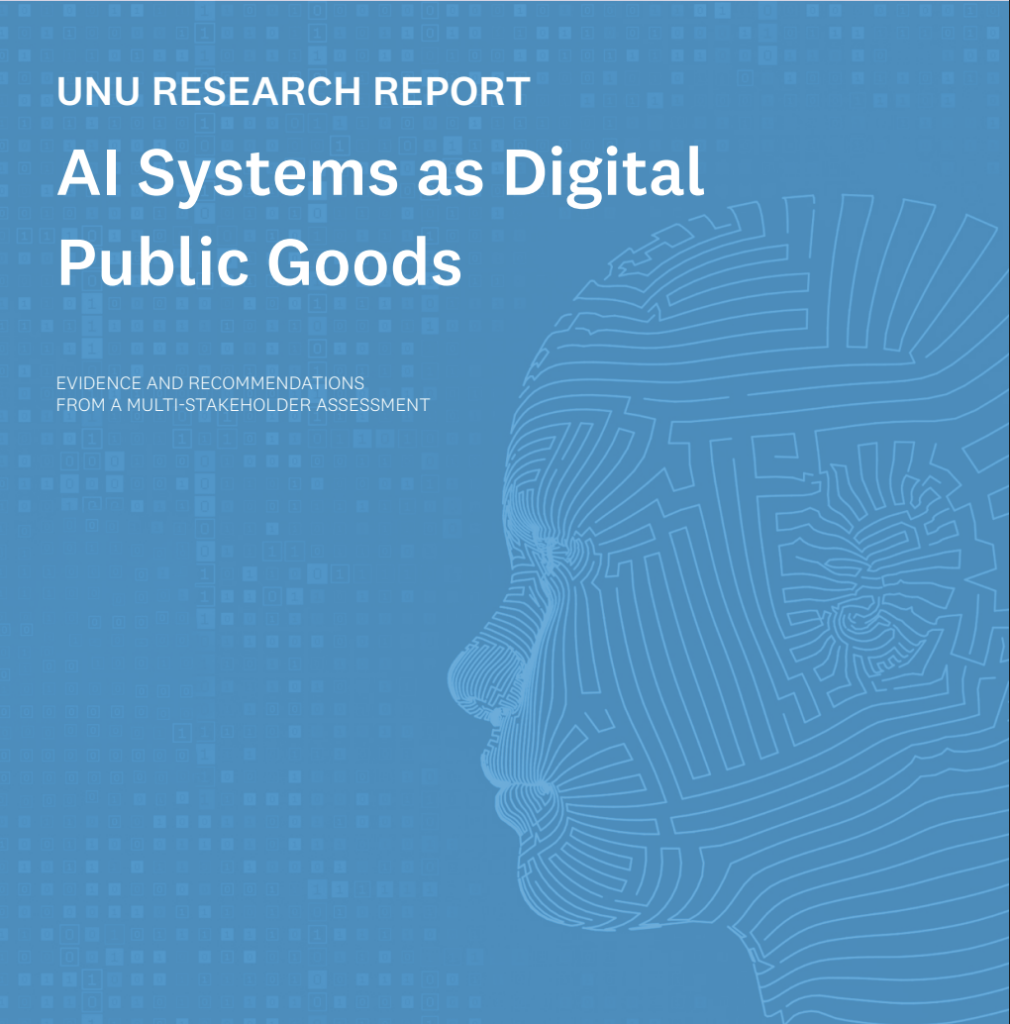
A new United Nations report has warned that Cambodia needs greater investment in Khmer-language artificial intelligence, local datasets, computing infrastructure, and technical skills if it is to fully benefit from emerging technologies. The study, produced by the UN University, the Asian Development Bank, and the UN Office of Digital and Emerging Technologies, said localized AI is vital for developing countries. Stakeholders cited Khmer-trained models as essential to reach last-mile users, stressing that systems without local language support would have limited usefulness. Released in June, the report argued that openness alone does not guarantee AI will serve developing nations. Effective use requires local-language data, shared computing infrastructure, institutional readiness and the ability to evaluate and govern systems domestically. For Cambodia, this means building capacity to develop and adapt AI rather than relying on imports from larger markets. The report recommended treating local datasets as public-good infrastructure, with investment in data collection and annotation and partnerships among government agencies, universities and developers. It also called for stronger evaluation and audit capabilities, including national or regional centers to assess bias, fairness and accuracy, and expanded training for officials and technical staff. Access to computing power was highlighted as another challenge, with warnings that unequal capacity could deepen the AI divide. Cambodia has expanded digital infrastructure and ICT skills but its research and innovation base remains limited, according to a separate UN assessment. The report set out 10 recommendations under the SAFE framework — Standards, Accountability, Finance and Equity — concluding that AI’s benefits as a digital public good will depend on local capacity, stewardship and context‑specific data.
Original source
Kampuchea Thmey English