SBMA Official: Subic E-Waste Trade Highly Regulated, Not a Dumping Ground
A Subic Bay Metropolitan Authority (SBMA) official refuted claims of illegal e-waste dumping, asserting that recycling operations in the Subic Bay Freeport Zone are strictly regulated under international standards. The official stated that recyclers undergo rigorous compliance and that extracted materials are re-exported.
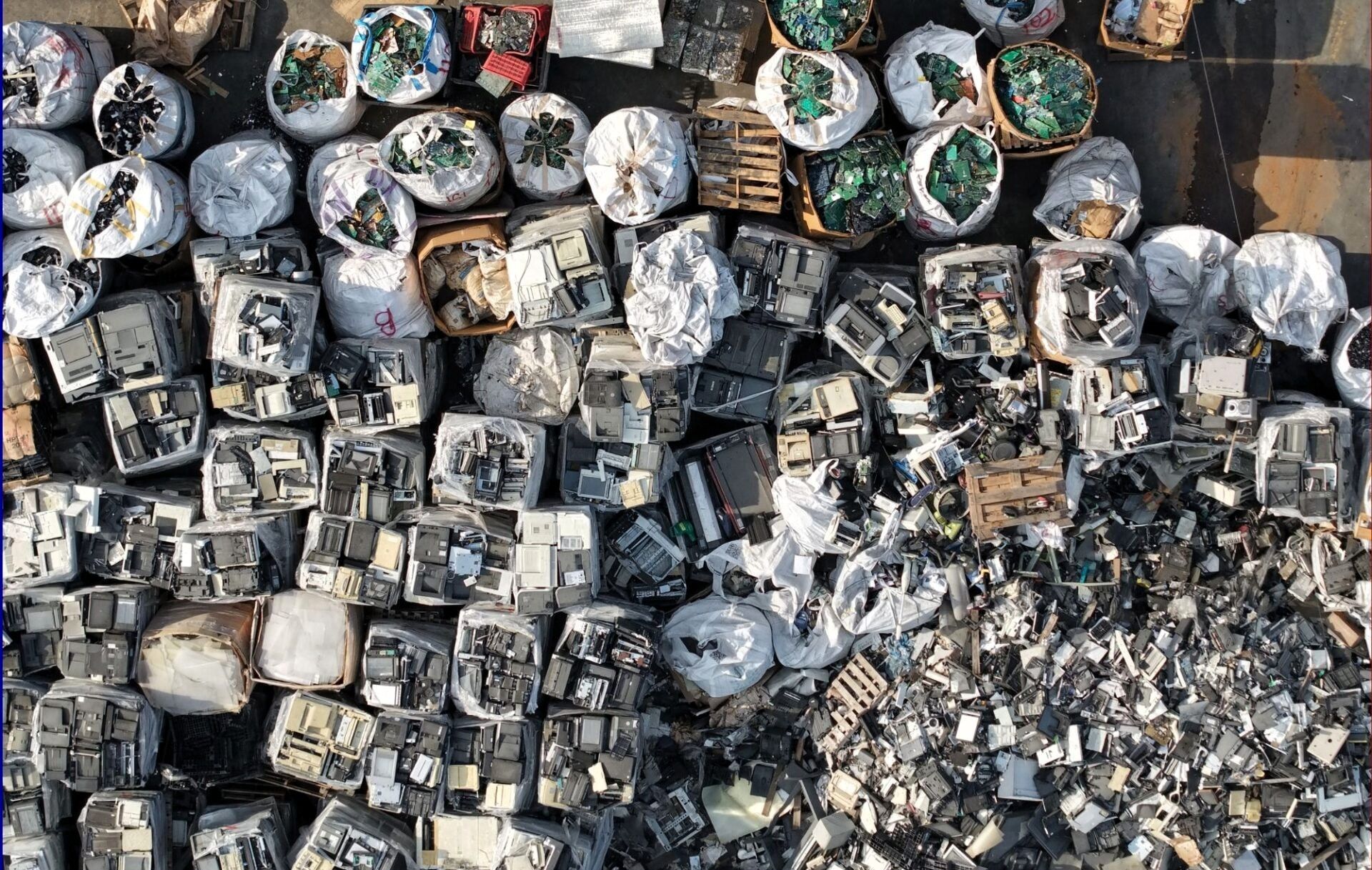
SUBIC BAY FREEPORT, Philippines — A senior official of the Subic Bay Metropolitan Authority (SBMA) disputed claims by environmental groups that the Subic Bay Freeport Zone has become a dumping ground for electronic wastes illegally imported into the country. Amethya dela Llana, OIC Senior Deputy Administrator for the SBMA Regulatory Group, stressed that e-waste recycling in Subic is highly regulated and that recyclers strictly undergo compliance requirements based on international standards. “The environmental groups should visit the Subic and see for themselves the processes that recyclers go through—from admission of raw materials to liquidation. They are free to inspect the permits the SBMA Ecology Center and other national agencies require of the recyclers, and they are free to inquire about their compliance,” Dela Llana said on Saturday, June 27. “There is no dumping of toxic materials in Subic Bay. This can be easily proven,” she added. Dela Llana made the statement in reaction to the exposé by the newly-formed Environmental Task Force Against E-Waste Imports to the Philippines (End E-Waste Imports), which condemned the alleged illegal importation of e-waste from the United States into the Subic Bay Freeport Zone. The task force is composed of the environment advocacy groups BAN Toxics, Basel Action Network (BAN), Global Alliance for Incinerator Alternatives (GAIA) Asia Pacific, Break Free From Plastic-Asia Pacific, Kalikasan People’s Network for the Environment, Greenpeace Philippines, Ecowaste Coalition, Center for Environmental Concerns-Philippines, Pangasinan People’s Strike for the Environment, Central Luzon Environmental Action Network, as well as the Kabataan Partylist. In a press briefing last Thursday, June 25, in Quezon City, the End E-Waste Imports task force presented what it described as “alarming” images of factories in Subic with e-waste left outdoors and exposed to the elements. BAN said it has tracked suspected e-waste using GPS devices and traced some of these to factories in Subic. BAN has reportedly flagged a total of 234 containers of suspected e-waste and one containing plastic waste since March last year and alerted both the Bureau of Customs (BoC) and the Department of Environment and Natural Resources (DENR) about these. However, the BoC allegedly told BAN they cannot act against said shipments because of an April 2025 ruling by the Manila Regional Trial Court that upheld Subic as a separate customs territory. Dela Llana said the claims made by End E-Waste Imports were misleading, unduly placed Subic Freeport on trial by publicity, and undermined the integrity of SBMA’s regulatory regime. She pointed out that the 15 recycling firms in Subic play a vital role in the development of a circular economy that national agencies and international bodies espouse. She said that from e-waste collected from various sources, Subic recyclers extract minerals like copper, aluminum, iron, as well as silver and gold, and convert plastic wastes into pellets to be used as raw materials for other finished products. “All of these are re-exported out of Subic,” she added. Dela Llana said the recycling trade in Subic is highly regulated and offers a viable alternative to resource extraction, which could destroy the environment and pollute surrounding communities. She said the SBMA Ecology Center had already collected more than 88 metric tons of electronic and electrical equipment waste under its recyclables collection program started in 2017. Last April, the Subic agency formally launched its “Closing the Loop on E-Waste” program in partnership with accredited waste handlers and recycling firms to broaden efforts to manage e-waste in Subic, Dela Llana also said.
多角的分析
スビク港における電子廃棄物リサイクルの経済的側面は、貴金属やプラスチックペレットの抽出・再輸出による付加価値創出に焦点を当てている。これは、天然資源の枯渇を防ぎ、循環型経済の推進に貢献する可能性がある。しかし、その経済的持続可能性は、国際的なリサイクル市場の価格変動、およびフィリピン国内の規制遵守コストに左右される。また、不法投棄のリスク管理と、正規リサイクル業者へのインセンティブ付与が、健全な経済活動の鍵となる。
投資家にとって、スビク港の電子廃棄物リサイクル事業は、環境規制の遵守と国際基準への適合が投資リスクを左右する。SBMA当局者の説明は、規制が整備されていることを示唆するが、環境団体からの批判は、潜在的な法的・評判リスクを示唆している。循環型経済への関心の高まりは、この分野への投資機会を提供する可能性があるが、透明性の高い運営と、持続可能なビジネスモデルの証明が不可欠となる。
スビク港における電子廃棄物問題は、地域住民の健康と環境への影響という点で社会的な懸念を引き起こしている。環境団体は、電子廃棄物が屋外に放置され、風雨にさらされていると主張しており、これは有害物質の流出や大気汚染につながる可能性がある。SBMA当局はこれを否定し、厳格な規制と輸出による廃棄物管理を主張しているが、地域住民の不安を払拭するためには、より一層の透明性と、環境モニタリングの結果の公開が求められる。特に、スビク港周辺のコミュニティは、環境汚染のリスクに直接さらされる可能性がある。
フィリピン市民、特にスビク港周辺の住民にとって、電子廃棄物の不法投棄は直接的な環境汚染と健康被害のリスクを意味する。環境団体が提示する「憂慮すべき」画像は、地域住民の不安を増幅させる。SBMA当局は規制の遵守と輸出による適正処理を主張しているが、市民は、自らの生活環境が安全であるという確証を求めている。政府およびSBMAは、市民に対し、リサイクルプロセスの透明性を高め、環境モニタリングの結果を定期的に公開することで、信頼を構築する必要がある。これは、環境保護と経済活動のバランスを取る上での公共の課題となっている。
背景・歴史的文脈
フィリピンにおける電子廃棄物処理の問題は、グローバルな電子廃棄物貿易の増加と、発展途上国における規制の緩さや処理能力の不足に起因する。先進国では電子機器の消費が急速に進む一方、その廃棄物処理は環境負荷が高く、コストもかかるため、一部が発展途上国に輸出される傾向がある。フィリピンは、地理的な位置や経済状況から、こうした廃棄物の「受け皿」となりうる。スビク湾自由貿易港は、その特別な関税区域としての性質から、物流のハブとしての役割を担ってきたが、それが電子廃棄物貿易の対象となる場合、規制の厳格さが問われる。
原文ソース
Philstar Nation