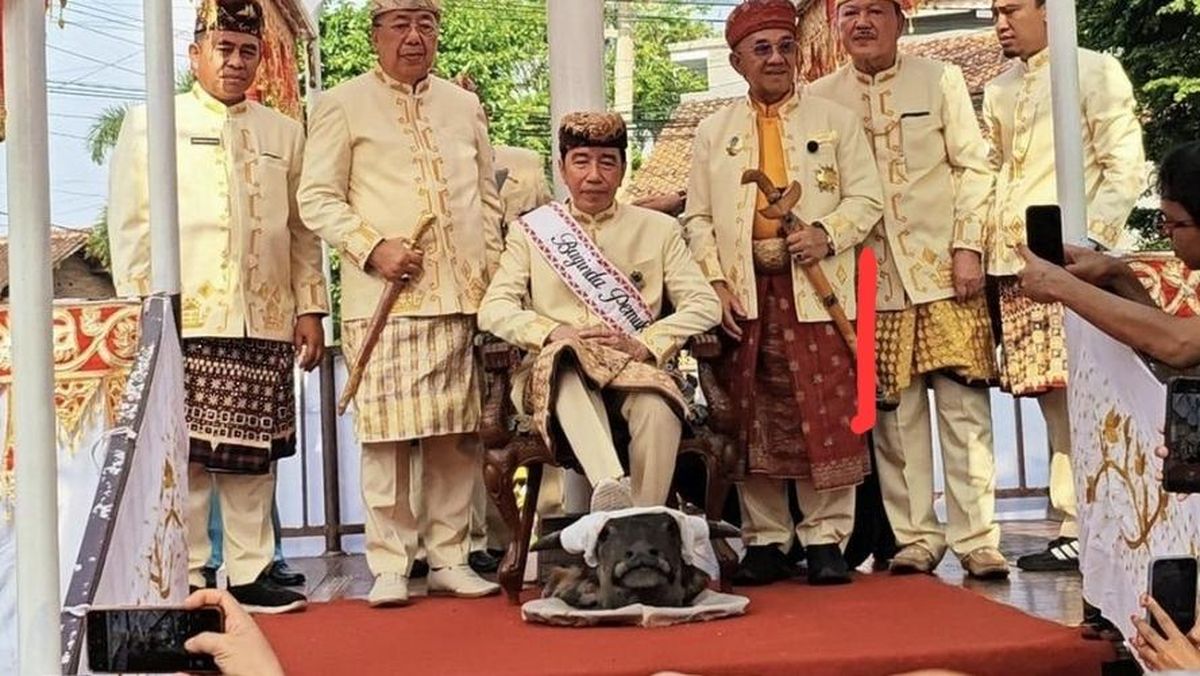
Jokowi Denies Knowledge of Buffalo Head Ceremony in Lampung, Ruling Party Skeptical
President Jokowi claims ignorance of a 'buffalo head stepping' ritual during a traditional ceremony in Lampung. However, the ruling PDIP party views it as a political stunt, expressing skepticism. The ritual's meaning has sparked political speculation.
This article requires PRO
This article is outside the free access window or is a special report. PRO unlocks it and the full archive.
Related articles
- Bali Authorities Warn Against Social Media Hoaxes Amidst Rising Misinformation
Authorities in Indonesia's Bali province have issued warnings against hoaxes circulating on social media, including false claims of financial aid from the governor and lottery winnings. The provincial government urges the public to rely on official channels for information.
- Hornbill Handed Over by Resident, Is Its Habitat Safe in Muria Forest?
A hornbill, previously kept by a resident, was found in Kudus Regency, Central Java. Experts emphasize the urgent need to identify the bird's origin and conserve the Muria forest habitat.
- Indonesian Prosecutor Accused of Receiving IDR 20.6 Billion in PT OBP Case Linked to Sumatera Blackout
Febrie Adriansyah, a high-ranking Indonesian prosecutor, is allegedly implicated in receiving IDR 20.6 billion from PT OBP, a company under investigation for the Sumatera blackout. This raises questions about the integrity of the investigation.
- Former Special Crimes Prosecutor Charged with Rp350 Billion Money Laundering
A former Director of Special Crimes (Jampidsus) in Indonesia has been charged with money laundering amounting to Rp350 billion (approximately USD 23 million). This case highlights concerns about corruption and illicit financial activities within the judicial sector.