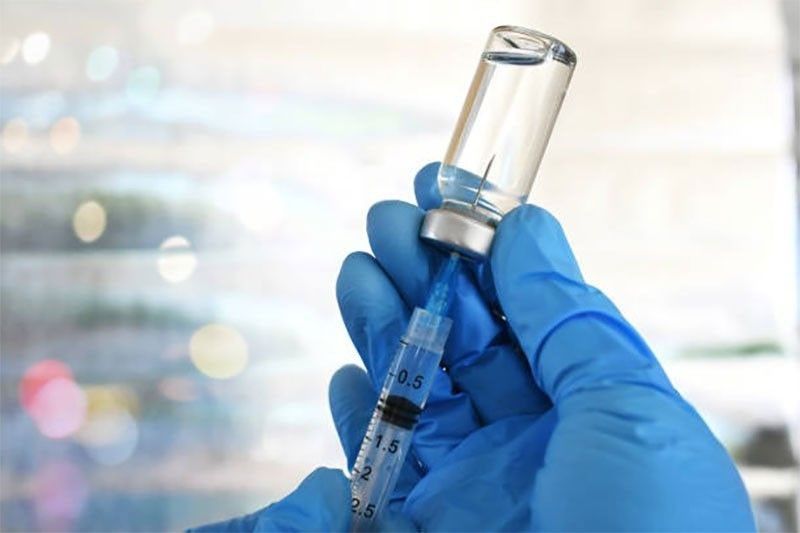
FDA Warns Public Against Counterfeit Anti-Dengue Drug
The Philippine FDA has issued a warning to the public against the purchase and use of a counterfeit anti-dengue vaccine, Qdenga, which is not yet registered. The fake product poses serious health risks.
This article requires PRO
This article is outside the free access window or is a special report. PRO unlocks it and the full archive.
Related articles
- La Union school denies reported shooting threat
A high school in La Union, Philippines, has denied reports of a shooting threat circulating online, stating an investigation found no basis for the claims.
- DepEd Expands Parent Co-Educator Program Nationwide
The Department of Education (DepEd) has launched the nationwide expansion of its Kaagapay Program, aiming to empower parents and guardians as co-educators. The initiative focuses on preventing bullying, fostering positive discipline, and reinforcing values among students, with President Ferdinand R. Marcos Jr. highlighting its significance.
- HPV Vaccine Rollout Begins in Remote Bukidnon School
The Philippines' Department of Health and Department of Education launched the 'Bakuna Eskwela' school-based HPV vaccination program at Sinabuagan Integrated School in remote Bukidnon, providing the first dose to 10-12 year old girls to prevent cervical cancer.
- Agusan Sur Dengue Cases Surge to 2,185; 15 Deaths Recorded
Dengue fever infections in Agusan del Sur, Philippines, have reached 2,185 cases, with one new death bringing the total fatalities to 15. This surge occurred just four days after health officials declared an outbreak, indicating a persistent spread of the disease.