Cambodia Vows to Strengthen Regulations on E-cigarettes and Chemical Substances, Ministry of Labour Pledges Public Health Improvement
Cambodia's Ministry of Labour and Vocational Training has pledged to strengthen measures prohibiting the import, sale, and use of e-cigarettes and smoking-related chemical substances. The ministry aims to enhance awareness campaigns, particularly targeting vocational students and factory workers, to improve public health.
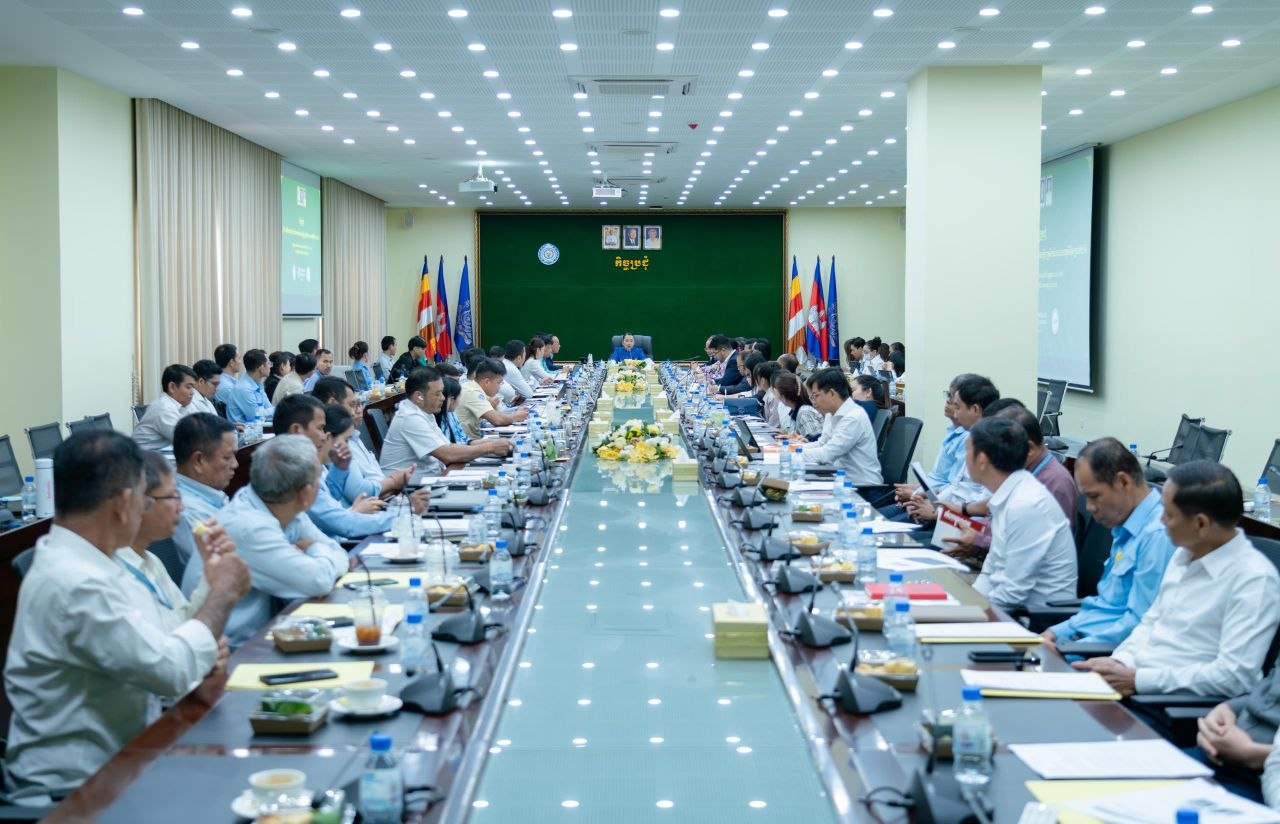
The Ministry of Labour and Vocational Training has pledged to strengthen measures prohibiting the import, distribution, sale, advertising, use, possession, production, and storage of electronic equipment and chemical substances for smoking. To contribute to the improvement of public health, the Ministry recently held a meeting on "Tobacco Products, Electronic Equipment, and Chemical Substances for Smoking" at the Ministry's premises. The meeting was presided over by Mrs. Suvanna Vannarath, Secretary of State, representing His Excellency Heng Sour, Minister of Labour and Vocational Training. The meeting was organized by the Expert Committee on Health Education of the Ministry of Labour and Vocational Training under the framework of implementing the National Action Plan on Health Education of the Inter-Ministerial Committee on Health Education. It was attended by ministry leaders, members of the Expert Committee on Health Education, representatives from the Health Movement Organization of Cambodia, the World Health Organization (WHO), and relevant units under the Ministry. The objective of this meeting was to enhance understanding of the impacts of tobacco products, electronic equipment, and chemical substances for smoking, and to discuss preventive and suppressive measures against the use of these products. This aims to promote the well-being of students, trainees in TVET institutions, employees in enterprises, companies, and factories, as well as civil servants under the Ministry. Mrs. Suvanna Vannarath stated that human capital development is a crucial pillar of the "Pentagonal Strategy," Phase I, focusing on improving education, vocational skills, and public health. The Ministry continues to implement measures to enhance the well-being of students, trainees in TVET institutions, and employees in enterprises, companies, and factories through the National Policy on Health Education and various guidelines, along with continuous dissemination. Concurrently, the Ministry collaborates with the Ministry of Health to disseminate information on preventing the use of tobacco products, electronic equipment, chemical substances for smoking, alcohol, illicit drugs, and non-communicable diseases. It also encourages employees to adopt healthy lifestyle habits to reduce the risk of non-communicable diseases. During the meeting, experts from the Health Movement Organization of Cambodia and the World Health Organization (WHO) presented on the impacts of tobacco products, electronic cigarettes, chemical substances for smoking, and the content of the tobacco control convention. They highlighted strategies of manufacturing companies and Cambodia's obligations. The meeting discussed suppressive measures and agreed to further strengthen dissemination, prevention, and cooperation with relevant partners. They also agreed to expand health education activities in TVET institutions to encourage youth to stay away from all types of tobacco products and electronic cigarettes, and to promote public health. Simultaneously, Mrs. Suvanna Vannarath instructed and encouraged representatives of units under the Ministry to continue strengthening dissemination, raising awareness of the impacts of use, and increasing monitoring of the implementation of prohibition measures for tobacco products and electronic equipment and chemical substances for smoking in all units under the Ministry, TVET institutions, and enterprises, companies, and factories. This is to contribute to protecting public health, which is a vital foundation for national development. Source: AKP Khmer
多角的分析
電子タバコや吸引用化学物質の規制強化は、関連製品の市場に直接影響を与える。合法的な流通チャネルが縮小することで、これらの製品の消費が抑制される可能性があり、国内のタバコ・電子タバコ産業の売上減少につながる。一方で、健康増進は長期的な労働生産性の向上に寄与し、医療費の削減を通じて経済的負担を軽減する可能性がある。また、規制強化に伴い、代替となる健康的な製品やサービスへの投資機会が生まれることも考えられる。
電子タバコや関連化学物質の製造・販売に関わる企業は、規制強化により事業リスクに直面する。特に、カンボジア国内市場に依存する企業は、販売チャネルの閉鎖や在庫の処分といった問題に直面する可能性がある。投資家は、これらの規制動向を注視し、代替産業や、健康増進、公衆衛生分野における新たな投資機会を模索する必要がある。長期的な視点では、健康的なライフスタイルを推進する企業への投資が有利になる可能性がある。
今回の規制強化は、特に若年層や労働者の健康を守る上で重要な一歩となる。電子タバコや吸引用化学物質は、従来のタバコに比べて害が少ないと誤解されがちだが、その健康への影響は依然として懸念されている。職業訓練校の学生や工場労働者への啓発活動は、彼らがこれらの製品の潜在的なリスクを理解し、健康的な選択をするための助けとなるだろう。しかし、規制の実効性を高めるためには、継続的な監視と、違法な流通に対する厳格な取り締まりが不可欠である。
今回の労働省の発表は、カンボジア市民、特に若者や労働者の健康に対する懸念の高まりを示している。電子タバコや吸引用化学物質の健康への悪影響が十分に認識されていない現状において、これらの製品の流通や使用を制限する動きは、公衆衛生の向上に繋がる可能性がある。しかし、規制が施行されたとしても、地下市場での販売や個人輸入などが後を絶たない場合、市民の健康を守る効果は限定的になる。市民は、政府の取り組みを注視するとともに、自身や家族の健康を守るために、正しい情報に基づいた判断を下すことが求められる。
背景・歴史的文脈
カンボジアでは、近年の経済成長に伴い、ライフスタイルの変化とともに喫煙率や若年層のタバコ・電子タバコの使用が増加傾向にある。これに対し、世界保健機関(WHO)はタバコ規制条約に基づき、加盟国にタバコ製品の規制強化を求めている。カンボジア政府は、人的資本開発を重視する「五角戦略」の一環として、国民の健康増進を公衆衛生政策の柱に据えており、今回の労働省による電子タバコ等への規制強化は、こうした国内外の動向と、国民の健康を守るという政府の意思を反映したものと考えられる。
原文ソース
AKP Khmer