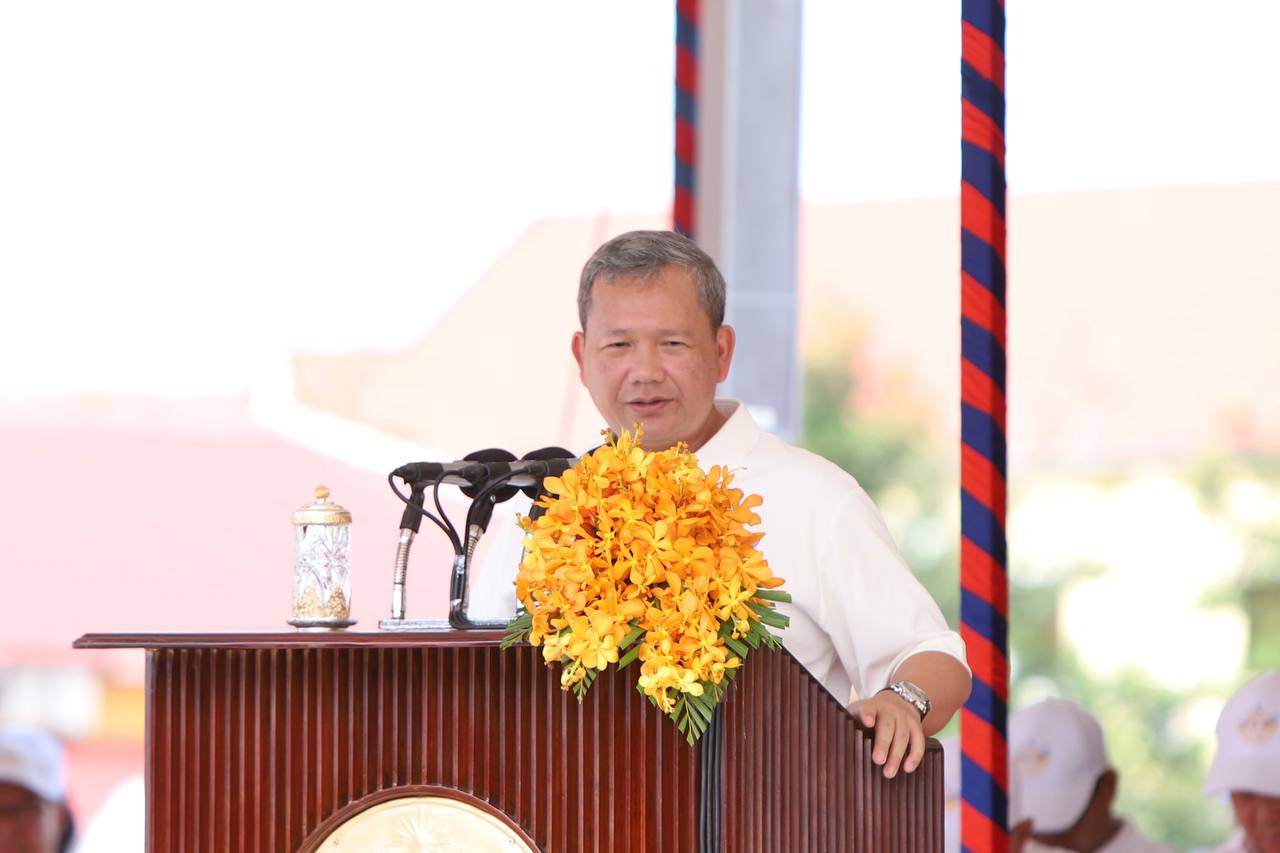
Cambodia Positions Agriculture and Fisheries as National Pillars
Politics
2026年7月1日
5
AKP Khmer
Relations
🇰🇭Cambodia🇨🇳China

Cambodia Positions Agriculture and Fisheries as National Pillars

AI サマリー

Cambodian Prime Minister Hun Manet hailed agriculture as the nation's 'stomach' and fisheries as its 'protein-producing engine,' emphasizing their critical role in the national development strategy. In 2025, the agricultural sector contributed over 16% to GDP, with nearly $6.5 billion in agricultural products exported to 94 countries.

Prime Minister Hun Manet of the Kingdom of Cambodia stated that the government always considers the agricultural sector as the nation's 'stomach,' while fisheries are the 'protein-producing engine.' He highlighted that fish are an inexhaustible source of protein, can be preserved, and are a popular community food for all segments of the population, rich in micronutrients. The Prime Minister made these remarks during the National Fish Day celebration on July 1st at Vai Go River in Svay Rieng Province on the morning of July 1st, 2026. Prime Minister Hun Manet emphasized that the government of the 7th legislature of the National Assembly has designated resilient, sustainable, and inclusive development as the 4th pillar of the Pentagonal Strategy Phase I. Within this, the sustainable management of natural resources, heritage, culture, and tourism is the 2nd angle, and the promotion of agriculture and rural development is the 3rd angle. Specifically for the agricultural sector, the government has launched the National Policy on Agricultural Development for 2022-2030, aiming to modernize and enhance competitiveness in agriculture, ensure food safety, and sustainably manage land, forest, and fishery resources. Agricultural extension policies in Cambodia focus on promoting modern agricultural knowledge and facilitating the transfer and adoption of technology, along with strategic development plans to guide agricultural development across sub-sectors. The Prime Minister also praised the leaders and officials at all levels of the Ministry of Agriculture, Forestry and Fisheries for their efforts in promoting this sector. As mentioned by the Minister of Agriculture, Forestry and Fisheries, achievements are being made year after year, although agriculture faces challenges, especially with global changes affecting the prices of agricultural products, which are not like industrial products where prices can be more easily guaranteed. Concurrently, the Prime Minister added, "Our country is small, and the export market for agricultural products is important. We must strive for both volume and value to benefit our farmers." According to a report by H.E. Dith Tina, Minister of Agriculture, Forestry and Fisheries, in 2025, the agricultural sector continued to contribute over 16 percent to the Gross Domestic Product (GDP), with a total added value exceeding $8.3 billion. Nearly 15 million tons of agricultural products were exported to 94 countries worldwide, valued at nearly $6.5 billion, with the crop sub-sector accounting for over $5.6 billion.

多角的分析

経済的影響

カンボジア経済において、農業は依然として重要な基幹産業であり、GDPへの貢献度も高い。フン・マネット政権は、農業の近代化と国際競争力強化を目指す国家政策を推進しており、これは食料安全保障の確保と農村部の所得向上に直結する。輸出額の増加は外貨獲得に貢献するが、一次産品ゆえの価格変動リスクは経済全体の安定性にとって課題となる。特に、主要輸出品目である米やその他の農産物の国際市場価格の動向は、カンボジア経済の先行きを左右する要因の一つである。

投資家心理

カンボジアの農業セクターへの投資は、長期的な視点で見れば潜在力がある。政府が推進する近代化や技術移転への取り組みは、生産性向上と品質改善につながり、国際市場での競争力を高める可能性がある。しかし、農産物の価格変動リスク、気候変動の影響、そしてインフラ整備の遅れなどは、投資家にとってのリスク要因となりうる。特に、輸出市場の開拓や、付加価値の高い加工品への転換を支援する政策は、海外からの直接投資を呼び込む上で重要となるだろう。日本企業にとっては、食品加工や農業技術分野での協業機会が考えられる。

社会的影響

農業はカンボジアの多くの国民の生活基盤であり、その発展は国民生活に直接的な影響を与える。首相が「国家の胃袋」と表現するように、食料の安定供給は社会の安定に不可欠である。一方で、農産物の価格変動は農家の収入を不安定にし、貧困問題に直結する可能性がある。また、農業従事者の高齢化や若者の都市部への流出は、労働力不足という新たな課題を生み出している。政府の農村開発策が、これらの社会的な課題にどのように対応していくかが注目される。特に、農村部における教育や医療へのアクセス改善も、持続可能な社会発展のためには不可欠である。

市民の声

首相の発言は、農業と水産業が国民の生活に不可欠な基幹産業であることを再認識させるものだ。多くのカンボジア国民、特に農村部では、これらの産業が直接的な収入源となっている。農産物の輸出が増加し、経済に貢献しているという事実は歓迎すべきだが、農産物の価格が不安定だと、農家の収入も不安定になり、生活が苦しくなるという声も聞かれる。政府が掲げる農業の近代化や輸出拡大が、実際に農家の生活をどれだけ向上させるかが、国民の関心事となっている。特に、食料の安定供給は、物価の安定にもつながるため、国民生活の安心感に影響を与える。

背景・歴史的文脈

カンボジアは長らく農業国であり、経済の基盤を農業に依存してきた。ポル・ポト政権下での農業集団化とその破綻、その後の内戦を経て、農業復興は国家再建の最重要課題の一つであった。フン・セン元首相時代から、農業の近代化と輸出促進は一貫した政策目標であり、特に米の輸出は重視されてきた。近年の「五角戦略」では、持続可能な開発と国民生活の向上が掲げられており、農業・水産業はその中核を担う産業として位置づけられている。中国との経済関係の深化に伴い、農産物輸出の拡大も進んでいるが、その一方で、特定国への依存リスクも指摘されている。

原文ソース

AKP Khmer

原文を読む