EuroCham Cambodia: Fostering a Fairer Business Environment in FMCG Sector
Business
2026年7月13日
5
Cambodia Investment Review
Relations
🇰🇭Cambodia🌐United Nations / ASEAN

EuroCham Cambodia: Fostering a Fairer Business Environment in FMCG Sector

AI サマリー

Sokanha Sin of EuroCham Cambodia emphasizes the importance of fair competition and regulatory clarity in the FMCG sector. She highlights the crucial role of public-private dialogue in fostering sustainable economic development.

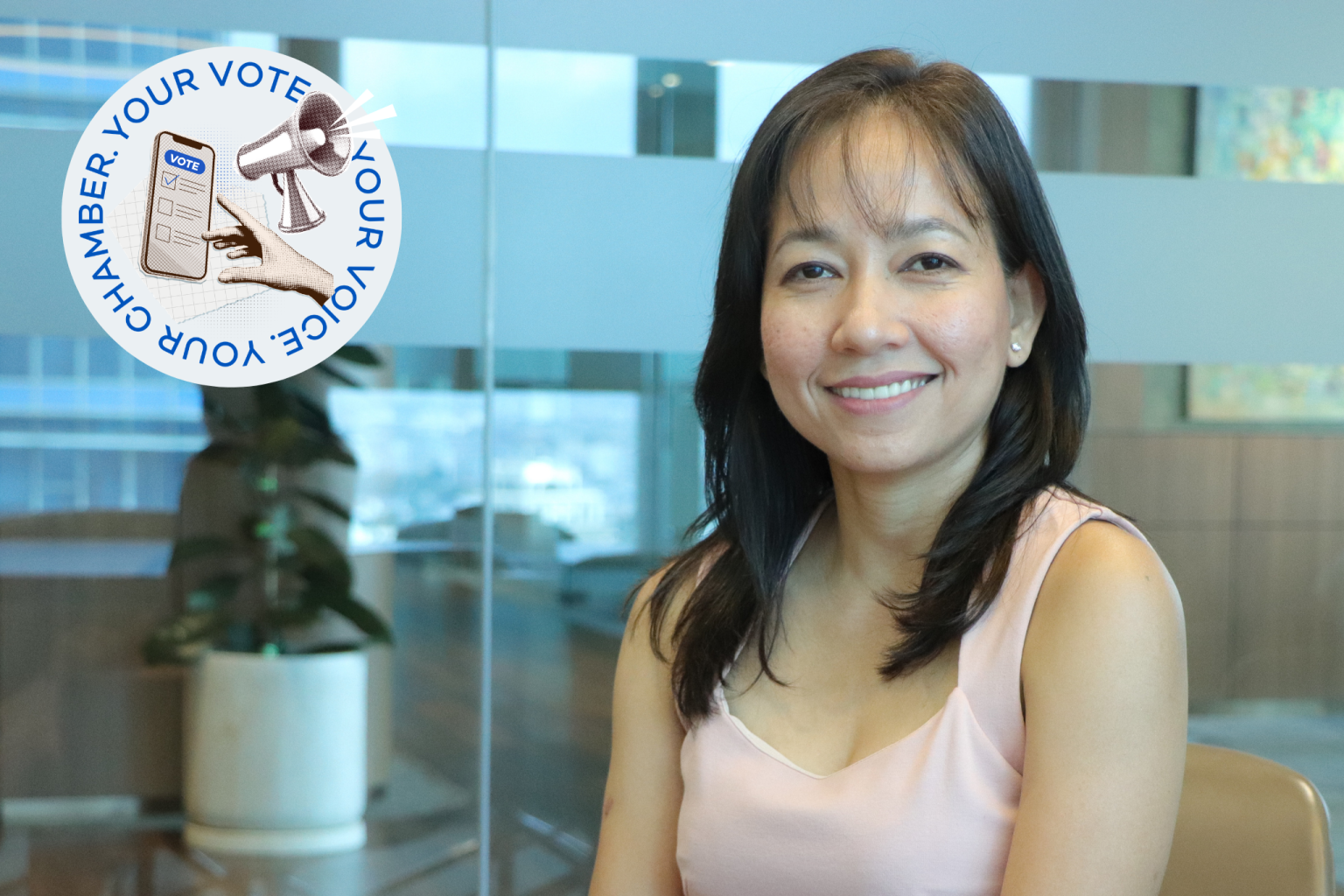
Ahead of elections in September, we are speaking with leadership from our 12 Sectoral Committees to learn a bit more about the positions. First up is Sokanha Sin, Vice-Chairperson of the Fast-Moving Consumer Goods Committee and Partner at Bun & Associates. She explained why she chose to join the FMCG Committee, what inspired her to run for a leadership role, and what has been most fulfilling over her two-year tenure. A focus on cross-border mergers and acquisitions You have extensive experience in corporate law, with a focus on cross-border mergers and acquisitions. What inspired you to join EuroCham’s Fast Moving Consumer Goods Committee as Vice-Chairperson? Sokanha: Throughout my legal career, I have worked with many FMCG companies entering or expanding in Cambodia. I often found myself having the same conversation with business leaders—they understood the commercial opportunities, but they also wanted greater clarity on regulations and stronger dialogue with policymakers. That experience made me realise that sustainable growth requires more than compliance and investment. It requires trust and communication between the private and public sectors. When the opportunity came to join the FMCG Committee, I saw it as a chance to contribute beyond my legal practice. I wanted to help bridge that gap by bringing practical business concerns to the table and encouraging constructive dialogue with relevant stakeholders. For me, the FMCG Committee was never only about the sector itself. It was about helping create a business environment where companies can grow responsibly, consumers are protected, and Cambodia can continue developing in a sustainable way. A lot has happened in Cambodia’s FMCG sector during your two-year term as Vice-Chairperson of the committee. What do you feel were the most meaningful developments while you were one of the leaders of the committee? Were there any achievements of which you are particularly proud? Sokanha: One of the things I am most proud of is not a single event or initiative, but the progress we made in bringing important industry issues into meaningful discussions. As a lawyer, I have always believed that sustainable businesses thrive when there is fair competition and a level playing field. During my time on the Committee, I had the opportunity to work alongside fellow Committee members and FMCG companies to raise awareness and advocate for fair competition, illicit trade, and consumer protection. I still remember several discussions where businesses openly shared the challenges they faced and government representatives took the time to listen and engage. Seeing those conversations evolve into constructive dialogue was incredibly encouraging. For me, the most meaningful achievement was not whether every issue was solved immediately, but the fact that both the private sector and government were willing to come together to discuss them. That spirit of cooperation demonstrated that progress is possible when stakeholders share the same goal of building a stronger and more sustainable business environment. Personally, it was rewarding to contribute my legal and practical experience to support those advocacy efforts and work alongside people who genuinely care about the future of the industry and the country. Interested in running for a leadership role What advice would you give to a member of the European business community that is interested in running for a leadership role in one of EuroCham’s Sectoral Committees? Is there anything you wish you had known before you took the position? Sokanha: I would say this: if you have ever thought, “I wish I could do something to improve the business environment,” then this is your opportunity. Before joining the Committee, I expected to contribute my professional expertise. What surprised me was how much impact can be created when people with different backgrounds come together with a common purpose. Some members contribute through advocacy. Others contribute by sharing industry knowledge, connecting stakeholders, or helping identify practical solutions to business challenges. Every contribution matters. Looking back, some of my most memorable moments were not at formal meetings but during conversations with fellow Committee members, business leaders, and the EuroCham team. Those discussions often sparked new ideas and led to meaningful collaboration. For anyone who wants to make a positive contribution to the business community and Cambodia’s development, I would strongly encourage you to stand for election. It requires commitment, but it also gives you a unique opportunity to help shape discussions, support change, and work alongside an inspiring community of people who want to make a difference. Interested in running for a Committee leadership position? Get all the details and apply here.

多角的分析

経済的影響

カンボジアのFMCGセクターは、国内消費の拡大と所得水準の上昇に伴い、著しい成長を遂げている。しかし、その成長は、規制の不透明性、不正な輸入、そして消費者保護の不備といった課題に直面している。EuroChamのSin氏が指摘するように、これらの課題は、公正な競争を阻害し、国内産業の育成を妨げる可能性がある。特に、不正な輸入は、正規のルートで流通する製品の価格競争力を低下させ、政府の税収にも影響を与える。FMCGセクターの持続的な発展には、これらの問題に対処し、国際基準に沿った規制枠組みを整備することが不可欠である。

投資家心理

カンボジアのFMCG市場は、高い成長ポテンシャルを持つ一方で、投資家にとっては、規制リスクと市場の不確実性が懸念事項となる。Sin氏が強調する「公正な競争」と「レベル・プレイング・フィールド」の欠如は、新規参入者や小規模投資家にとって参入障壁となり得る。特に、不正取引や知的財産権の保護が不十分な場合、投資リターンが低下するリスクがある。EuroChamのような業界団体が官民対話を促進することは、投資家がより安心して事業を展開できる環境整備に繋がる。透明性の向上と予測可能性の確保は、さらなる外国直接投資(FDI)を呼び込む鍵となるだろう。

社会的影響

FMCGセクターの健全な発展は、カンボジア市民の生活水準に直接影響を与える。Sin氏が提起する消費者保護の重要性は、安全で質の高い製品が適正な価格で市場に供給されることを保証する上で不可欠である。不正取引や粗悪品の流通は、消費者の健康や安全を脅かす可能性がある。また、公正な競争環境は、国内の雇用創ちゅうと所得向上にも貢献する。EuroChamの活動は、単なるビジネス環境の改善に留まらず、消費者の利益を保護し、より公平で持続可能な社会経済システムの構築を目指すものと言える。

市民の声

カンボジア市民にとって、FMCGセクターの公正なビジネス環境は、日々の生活に直結する問題である。Sin氏が指摘する「公正な競争」と「消費者保護」が実現されれば、より質の高い製品が、より適正な価格で手に入るようになる。例えば、不正なルートで安価に流通する模倣品や粗悪品が排除されれば、消費者は安心して商品を選べるようになる。また、国内企業が公平に競争できる環境が整えば、雇用機会が増加し、所得向上にも繋がる可能性がある。EuroChamのような民間セクターの提言活動は、市民の利益を代弁し、より良い消費環境の実現に貢献すると期待される。

背景・歴史的文脈

カンボジアのFMCGセクターは、経済成長と都市化の進展に伴い、近年目覚ましい発展を遂げている。しかし、その成長の陰で、規制の不備、不正な輸入、知的財産権の侵害、そして不十分な消費者保護といった課題が長年指摘されてきた。特に、ASEAN経済共同体(AEC)発足以降、域内貿易が活発化する一方で、カンボジア国内の法制度や執行能力が追いついていない側面がある。EuroChamのような外国商工会議所は、こうした課題に対し、カンボジア政府との対話を通じて、国際基準に沿ったビジネス環境の整備を働きかけており、今回のSin氏の発言もその一環と言える。

原文ソース

Cambodia Investment Review

原文を読む