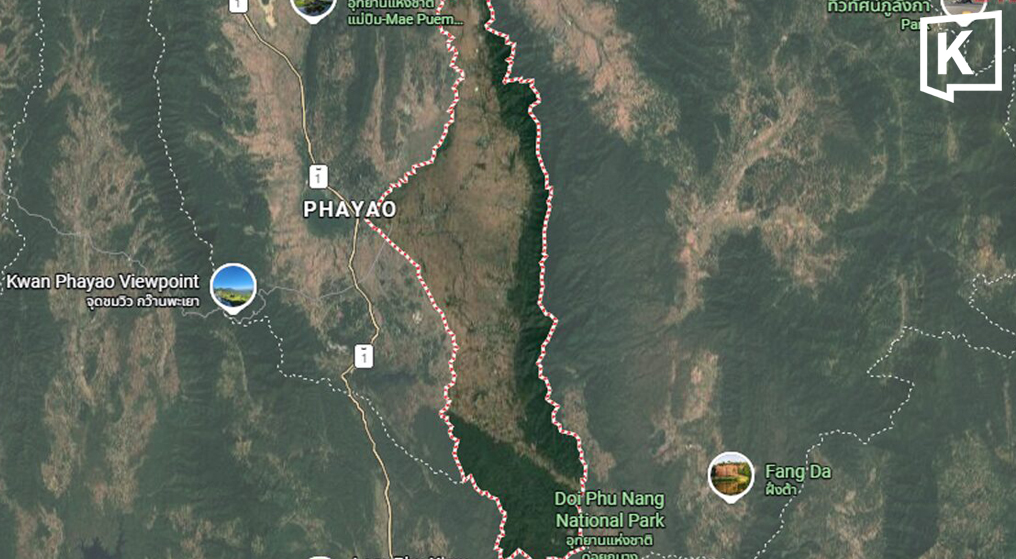
Magnitude 2.4 Earthquake Shakes Phayao Province; No Damage Reported
A magnitude 2.4 earthquake struck Phayao province in northern Thailand on July 10, 2026. The epicenter was in Dok Khamtai district at a depth of 1 kilometer. Tremors were felt in several areas, but authorities reported no immediate damage or injuries.
This article requires PRO
This article is outside the free access window or is a special report. PRO unlocks it and the full archive.
Related articles
- Chao Phraya River Floods Bang Pain, Water Reaches 1.8m; Residents Evacuate, Military Assists
The Chao Phraya River has overflowed in the Bang Pain district of central Thailand, with water levels reaching 1.8 meters. Residents have taken shelter along roadsides, fearing further increases, while the military is building bridges in the rain to assist them.
- Gulf Expands LNG Portfolio with ADNOC Supply Deal
Thai energy giant GULF has signed a multi-year LNG supply agreement with UAE's ADNOC, securing nearly 2 million tonnes annually starting 2027 to bolster its Asian LNG trading business.
- Pattaya Tesla Driver Faces Attempted Carjacking in Traffic
A Tesla driver in Pattaya has issued a warning after a stranger attempted to open his car door while driving. While police did not formally accept a complaint due to no damage, the incident is being shared on social media to raise awareness.
- Thailand Floods Expose Severe Vulnerabilities in Automotive Supply Chain
Recent floods in Thailand forced Toyota and Honda to temporarily halt production due to disrupted component deliveries and employee access. This disruption highlighted the fragility of Thailand's just-in-time automotive manufacturing model.