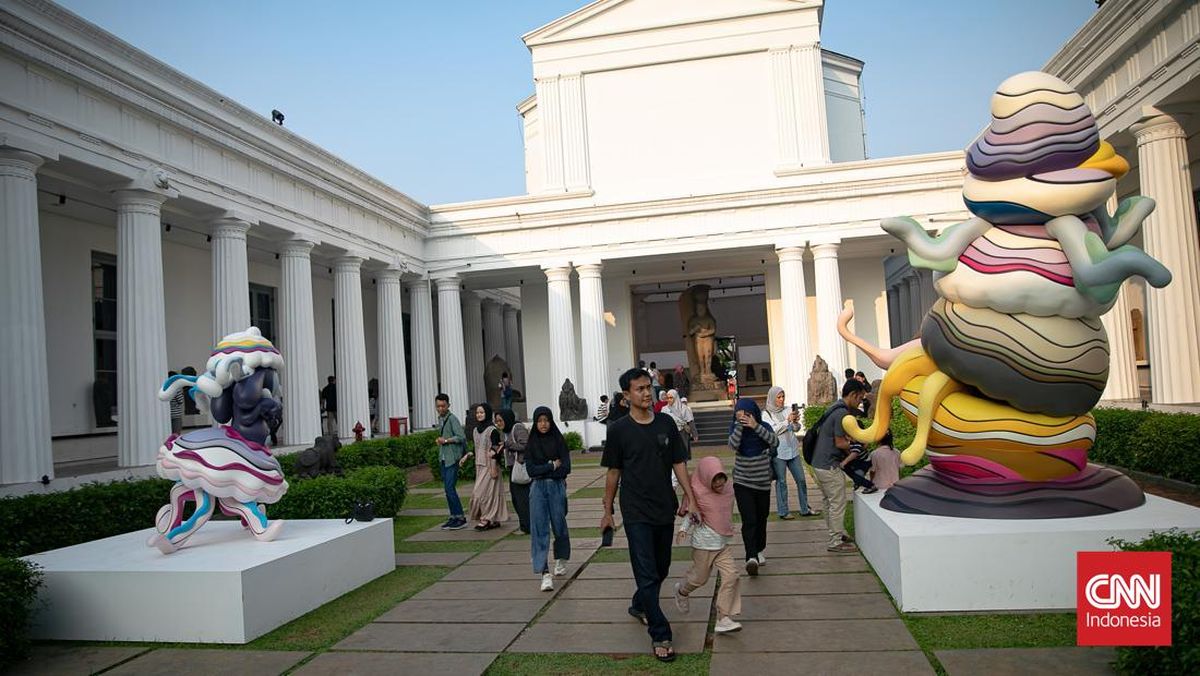
Indonesia's Museum Passport: A New Way to Experience Cultural Heritage
Indonesia has launched a 'Museum Passport' program, encouraging visitors to explore 21 participating museums and collect unique stamps. This initiative transforms museum visits into an engaging experience, blending historical exploration with souvenir collecting.
This article requires PRO
This article is outside the free access window or is a special report. PRO unlocks it and the full archive.
Related articles
- Two Dead in Matraman, East Jakarta Fire at Online Medical Supply Store
Two young individuals, aged 20 and 18, died in a fire in Matraman, East Jakarta. The blaze occurred at a residence also used as an online medical supply store, trapping the victims inside. Ten fire engines and 50 personnel were deployed to combat the fire.
- Jakarta Governor Pushes for Swift and Precise Disaster Response Synergy
The Governor of DKI Jakarta emphasized the need for a swift and accurate disaster response system, fitting for a global city. He highlighted the importance of synergy among agencies, businesses, and citizens, particularly addressing risks of residential fires due to El Niño and flood mitigation.
- Two Young Men Die Trapped in Fire in Matraman, East Jakarta
A house fire in Matraman, East Jakarta, resulted in the deaths of two young men, aged 17 and 21, who were trapped on the second floor. The affected building was a residence also serving as an online medical equipment business. The cause and extent of the damage are under investigation.
- Indonesian Immigration to Deny Visa for Israeli National
Indonesian immigration authorities have confirmed their policy to deny visa applications from individuals holding Israeli nationality, aligning with Indonesia's diplomatic stance of not having formal relations with Israel.