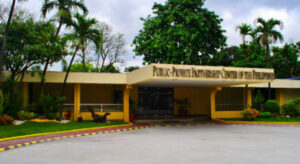
Philippines PPP Project Pipeline Valued at P3.1 Trillion
As of July 7, the Philippines has a pipeline of 249 Public-Private Partnership (PPP) projects valued at P3.1 trillion, according to the PPP Center. An additional 303 projects worth P3.56 trillion are currently under implementation.
This article requires PRO
This article is outside the free access window or is a special report. PRO unlocks it and the full archive.
Related articles
- Mans Carpio's Landbank Account Balances Unveiled in Impeachment Trial
During the impeachment trial of Philippine Vice President Sara Duterte, the year-end balances of her husband, Manases "Mans" Carpio's Land Bank account from 2022 to 2025 were revealed. This information, presented by the prosecution, highlights efforts to ensure financial transparency.
- Moody’s Completes Stake Acquisition in PhilRatings, Eyes Philippine Bond Market Growth
Moody's Corporation has finalized its acquisition of a 19.99 percent stake in Philippine Rating Services Corp. (PhilRatings), anticipating that the Philippines' economic expansion and infrastructure needs will support bond issuance.
- GCash Parent Mynt Eyes Record-Breaking IPO in Philippines
Mynt Inc., the parent company of Philippine fintech giant GCash, is set to launch the country's largest-ever initial public offering (IPO), aiming to raise approximately P60.9 billion. Analysts recommend subscribing, citing strong growth potential in digital financial services and projected revenue and net income increases.
- GCash IPO: How Retail Investors Can Buy Shares Before PSE Debut
Filipino retail investors can now participate in the Initial Public Offering (IPO) of GCash, the country's leading e-wallet operated by Mynt. Opportunities exist to purchase shares before the official Philippine Stock Exchange debut via the GStocks PH app and PSE EASy platform, though careful consideration of valuation and secondary share proportions is advised.