SAT Adoption in Vietnam Surges, Domestic University Admissions Increase Tenfold
Health
2026年7月5日
5
VnExpress

SAT Adoption in Vietnam Surges, Domestic University Admissions Increase Tenfold

AI サマリー

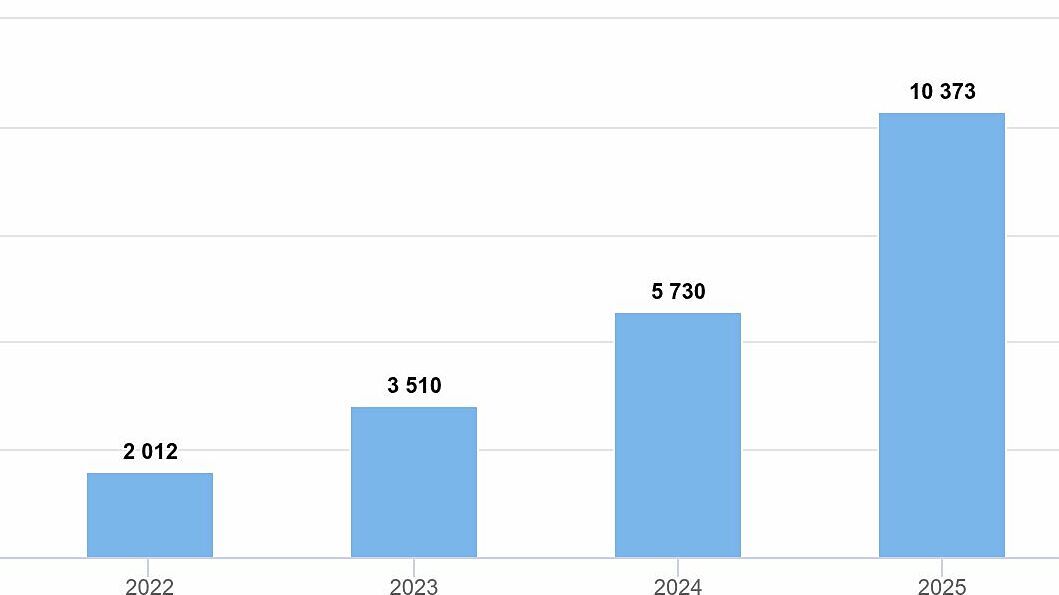
The use of the SAT (Scholastic Assessment Test) has surged in Vietnam, with nearly 10,000 Vietnamese students taking the exam last year. The proportion of students using SAT scores for domestic university admissions has increased tenfold over the past four years, indicating its growing importance as an option for higher education within the country.

The Scholastic Assessment Test (SAT), an international college admissions test, is experiencing a significant surge in both examinee numbers and its application for domestic university admissions in Vietnam. According to a representative from College Board, the organization that owns the SAT and AP exams, over 10,000 Vietnamese students took the SAT last year. This represents a nearly 390% increase compared to four years ago. Even more striking is the tenfold increase in the proportion of students using SAT scores for admissions to Vietnamese universities over the same period. In 2021, only 4% of domestic university applicants submitted SAT scores, a figure that rose to 38% last year. The SAT is a standardized international test that assesses knowledge in natural sciences, social sciences, and logical reasoning. It is used for admissions, credit, or advanced placement by nearly all colleges and universities in the United States, as well as approximately 600 institutions in about 70 countries and territories. Mr. Haike Zhao, a representative from College Board, stated during a seminar on US education trends, jointly organized by College Board and IIG Vietnam on July 4th, that the number of SAT test-takers in Vietnam increased by 385% to over 10,000 in the past four years. This figure nearly doubled in just one year. The average SAT score for Vietnamese test-takers last year was 1355 out of a possible 1600, marking the highest average in five years. The average scores had ranged between 1334 and 1349 in the preceding four years. Mr. Zhao views the increase in test-takers and scores as an opportunity for Vietnamese students to "go global." Statistics show that Vietnamese students have submitted SAT scores to universities in over 30 countries and territories. However, he highlighted the most surprising trend as the use of the SAT for domestic university admissions. As mentioned, 38% of test-takers submitted their SAT scores to Vietnamese institutions last year, a significant jump from the 4% in 2021. The SAT, first introduced in 1926, consists of two sections: Reading-Writing and Math, with each section scoring a maximum of 800 points. The test is administered online and takes over two hours to complete. Scores are valid for five years. In Vietnam, dozens of universities incorporate SAT scores into their admission criteria, often in combination with other factors. Last year, Hanoi University of Pharmacy set the highest SAT requirement, a minimum of 1400 out of 1600 for candidates applying to its Pharmacy program through a combined admission process with academic transcripts. Following closely, Foreign Trade University requires an SAT score of 1380 or higher when combined with international language certifications for admissions.

多角的分析

経済的影響

SATの利用急増は、ベトナムの高等教育市場における国際化の進展と、それに伴う教育サービス産業の成長を示唆している。SAT受験料、対策講座、教材などの市場が拡大し、関連企業にとっては新たなビジネスチャンスが生まれている。一方で、国内大学がSATスコアを主要な選考基準の一つとして採用することは、大学間の競争を激化させ、教育の質の向上を促す可能性がある。しかし、SATスコアの取得には経済的な投資が必要であり、これが教育機会の不均等を拡大させるリスクも孕んでいる。

投資家心理

ベトナムの教育分野、特に国際的な試験対策や大学進学支援サービスへの投資機会が増加していることを示唆している。SATの利用拡大は、関連する教育テクノロジー企業、進学コンサルティングサービス、オンライン学習プラットフォームにとって追い風となるだろう。また、国内大学が国際基準を取り入れる動きは、教育機関への投資や、教育インフラ整備への関心を高める可能性がある。ただし、市場の急速な変化や、政府の教育政策の動向には注意が必要である。

社会的影響

ベトナムの若年層の間で、国際的な教育基準への関心が高まっていることを反映している。SATの利用拡大は、より多くの学生が国内だけでなく海外の大学への進学を視野に入れていることを示唆する。これは、ベトナム社会における上昇志向や、グローバルなキャリア形成への意欲の高まりと関連している。一方で、SAT受験料や対策費用が家計を圧迫する家庭もあり、経済的背景による教育格差の拡大が懸念される。具体的には、都市部と地方部、あるいは所得層による学習機会の差が、SATスコアに影響を与える可能性がある。

市民の声

ベトナムの市民、特に高校生とその保護者にとって、大学進学の選択肢が広がると同時に、新たな負担や競争が生じている。SATの利用が増加したことで、海外大学への進学だけでなく、国内大学への入学においてもSATスコアが有利になるケースが出てきた。これにより、多くの学生がSAT対策に時間を費やすようになり、受験料や予備校費用といった経済的な負担が増加している。特に、地方に住む学生や経済的に余裕のない家庭にとっては、都市部の学生と同等の機会を得ることが難しくなる可能性があり、教育格差の拡大が懸念されている。

背景・歴史的文脈

ベトナム共産党による一党体制下、政府は経済成長と国際社会への統合を最優先課題として掲げてきた。その一環として、教育分野の近代化と国際化が推進されている。SATのような国際的な標準化試験の導入・普及は、教育の質の向上、人材育成、そして国際的な大学への進学機会の拡大を目的としている。過去数十年、ベトナムはドイモイ政策以降、市場経済化を進め、外国からの投資を積極的に誘致してきた。教育分野も例外ではなく、国際的な教育機関との連携や、国際的なカリキュラムの導入が進められてきた。今回のSAT利用の急増は、こうした長期的な教育改革の流れの中で、国内大学が国際基準を自らの選考に取り入れるという、新たな段階に入ったことを示している。

原文ソース

VnExpress

原文を読む