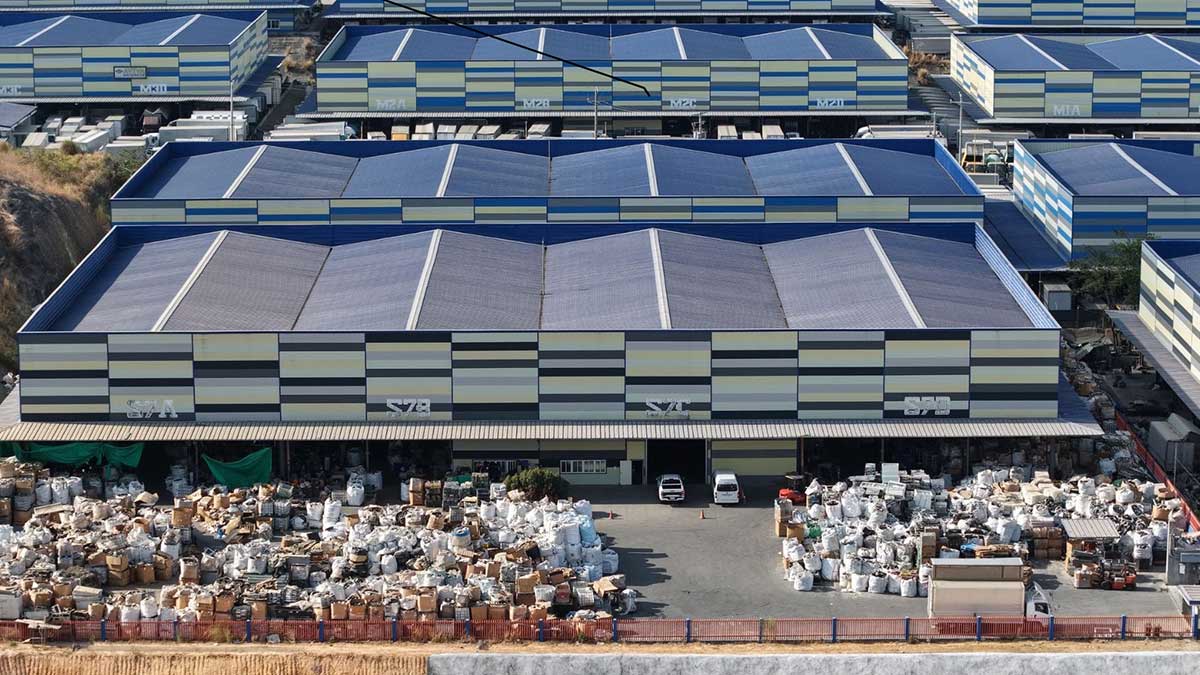
Philippine environmental groups warn of legal loophole in alleged US e-waste shipments
A Philippine environmental coalition has warned that alleged shipments of electronic waste (e-waste) from the United States to the Subic Freeport could violate the country's obligations under the Basel Convention by exploiting a legal loophole for recyclable materials. While authorities claim the materials are "raw materials for recycling," the groups emphasize regulations for hazardous waste.
SUBIC BAY FREEPORT, Philippines — An environmental coalition has warned that alleged shipments of electronic waste (e-waste) from the United States to this free port could violate the Philippines’ obligations under the Basel Convention by exploiting a legal loophole covering recyclable materials. The Environmental Task Force Against Illegal E-Waste Imports to the Philippines (END E-WASTE IMPORTS) said the transfer of waste from nonparties to parties to the convention violates international law and could encourage similar shipments to other developing countries. The statement came days after Subic Bay Metropolitan Authority officer in charge senior deputy administrator for the Regulatory Group and Deputy Administrator for Public Health Amethya dela Llana denied allegations that the free port was being used as a dumping ground for toxic waste, saying the imported materials were “raw materials for recycling and processing, not for dumping.” But the coalition said the issue goes beyond whether the materials are intended for recycling. The task force is composed of BAN Toxics, Basel Action Network, Global Alliance for Incinerator Alternatives Asia Pacific, Break Free From Plastic–Asia Pacific, Kalikasan People’s Network for the Environment, Greenpeace Philippines and EcoWaste Coalition. It also includes the Center for Environmental Concerns–Philippines, Pangasinan People’s Strike for the Environment, Central Luzon Environmental Action Network and Kabataan Partylist. The coalition noted that under Department Administrative Order No. 2013-22, imported used electronic equipment and electronic scrap for dismantling, recycling or material recovery are regulated and require registration and import clearance from the Environmental Management Bureau. Waste Electrical and Electronic Equipment (WEEE) is also classified as hazardous waste. “Even if the exporting country’s policies do not classify e-waste or e-scrap as hazardous waste, the transboundary movement remains subject to the Basel Convention when the importing country classifies such material as hazardous,” the task force said. Because the Philippines classifies WEEE and e-waste as hazardous waste, exporting countries must notify Philippine authorities and obtain prior informed consent before shipments can proceed, it added. The coalition also cited a 2025 Manila court ruling involving three Subic-based firms, saying their imports of used electronic equipment for recycling and material recovery remain subject to the Basel Convention’s Prior Informed Consent requirement. The statement followed allegations by environmental groups that at least 234 containers of suspected e-waste and one container of plastic waste from the United States had entered the Subic Freeport since March. The groups said the shipments were tracked through “Operation Can Opener,” an initiative of the Basel Action Network that uses trade data and GPS trackers hidden inside discarded electronics. The task force also pointed out that while the Basel Convention allows certain cross-border waste shipments, Article 4 prohibits parties from importing hazardous waste from nonparties unless covered by a bilateral agreement. The United States is not a party to the convention, while the Philippines ratified it in 1993. “The only exemption is if there are bilateral agreements between states. However, no such bilateral agreement between the US and the Philippines is available to the public,” the coalition said. ACT Teachers Rep. Antonio Tinio and Kabataan Rep. Renee Co filed House Resolution No. 1164 to investigate the illegal importation of hazardous electronic waste from the United States via Subic Bay Freeport Zone. —WITH A REPORT FROM ANDREA GREGORIO
多角的分析
このニュースは、フィリピンが発展途上国として、先進国からの廃棄物処理の負担に直面している経済的現実を浮き彫りにしている。リサイクル可能な資源として輸入されたものが、実際には有害廃棄物として処理コストを増大させる可能性がある。これは、循環型経済への移行を目指すフィリピン経済にとって、予期せぬコスト要因となり得る。また、SBMAが「原材料」と主張する背景には、自由貿易港としての経済活動を維持したいという思惑があると考えられるが、これが環境規制との間で緊張を生んでいる。
投資家にとって、この問題はフィリピンにおける環境規制の執行状況と、それがビジネス運営に与える潜在的なリスクを示唆している。特に、廃棄物管理やリサイクル関連事業に投資する際には、法規制の遵守状況や、予期せぬ規制強化のリスクを慎重に評価する必要がある。また、自由貿易港における通関手続きや規制の曖昧さは、サプライチェーンの混乱や追加コストにつながる可能性があり、投資判断において考慮すべき要素となる。
この問題は、フィリピン国内の環境保護団体と政府機関、そして潜在的な輸入業者との間で、環境保護と経済活動のバランスを巡る社会的な対立を示している。スビク港周辺の地域住民や、環境汚染のリスクに直面する可能性のある人々にとって、有害廃棄物の流入は健康被害や生活環境の悪化につながる懸念がある。環境団体は、バーゼル条約に基づくフィリピンの国際的な義務履行と、国内の環境基準の遵守を求めており、これは公共の健康と安全に関わる重要な社会課題である。
市民、特にスビク港周辺に住む人々や、環境汚染の影響を受けやすい地域に住む人々にとって、この「電子廃棄物」の流入は、健康への直接的な影響と生活環境の悪化という具体的な不安をもたらす。リサイクル可能な「原材料」という当局の説明と、環境団体が主張する「有害廃棄物」という実態の乖離は、情報へのアクセスや政府の説明責任に対する市民の不信感を増幅させる可能性がある。将来世代の環境を確保するという観点からも、この問題は市民にとって看過できない課題となっている。
背景・歴史的文脈
フィリピンは、バーゼル条約(有害廃棄物の越境移動及びその処分の規制に関するバーゼル条約)の締約国であり、有害廃棄物の輸入を厳しく規制している。しかし、先進国から発展途上国への電子廃棄物(e-waste)の不法輸出は世界的な問題となっており、フィリピンもその標的の一つとなっている。過去にも、米国や韓国などから有害廃棄物がフィリピンに不正に搬入された事例が複数報告されており、その度に環境団体が問題提起を行ってきた。特に、自由貿易港は手続きの簡素化などから、こうした不正行為の温床となりやすい側面がある。今回の件は、リサイクル可能な物質という名目で有害廃棄物が持ち込まれるという、巧妙化する手口と、それに対するフィリピン当局の監視体制の課題を改めて浮き彫りにしている。
原文ソース
Inquirer NewsInfo