DA to Boost Philippines Ube Exports
Economy
2026年7月6日
5
Philstar Nation

DA to Boost Philippines Ube Exports

AI サマリー

The Philippine Department of Agriculture (DA) is intensifying efforts to transform ube from a niche export into a high-value agricultural product. The strategy focuses on strengthening industry coordination, expanding production, and promoting a unified branding approach to enhance global market competitiveness.

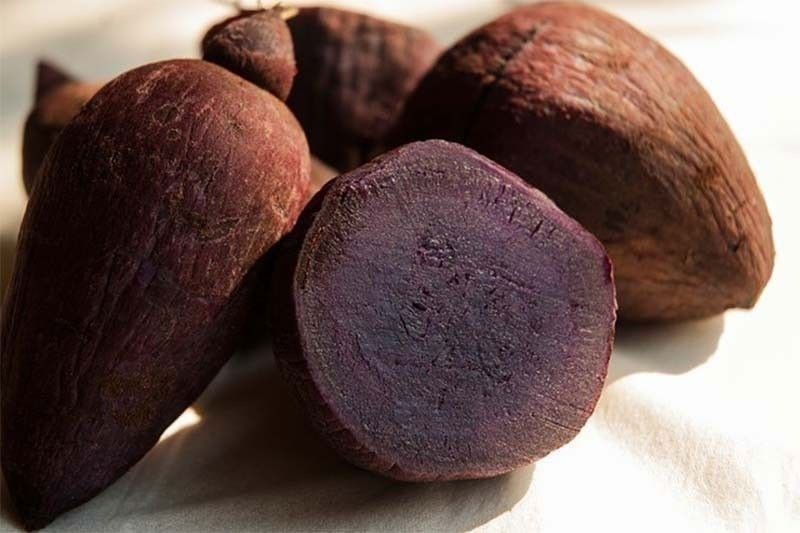
The Department of Agriculture (DA) is intensifying efforts to transform ube from a niche export into the country’s next high-value agricultural product. The DA indicated that stronger industry coordination, expanded production, and a unified branding strategy can unlock a larger share of the fast-growing global market. At a consultative meeting with growers, processors, exporters, researchers, and other stakeholders, Agriculture Secretary Francisco Tiu Laurel Jr. stated that the government would pursue an industry-led strategy rather than prescribe solutions from the top down. "We want to identify the actual needs of the industry. I don’t want the Department of Agriculture deciding for stakeholders what the industry needs," Tiu Laurel said, emphasizing that the DA’s role is to provide funding, policy support, and research based on priorities identified by the industry itself. While coconut, bananas, mangoes, pineapples, and durian remain key export earners, officials see ube as an emerging product with significant untapped potential amid growing international demand for natural food ingredients and premium processed products. Despite strong demand, stakeholders said the industry continues to grapple with fragmented supply chains, inconsistent quality standards, inadequate planting materials, and the absence of a unified national marketing strategy. To address these bottlenecks, the DA outlined several immediate priorities, including the creation of a national ube federation to unify producers, processors, and exporters under a common industry agenda. Tiu Laurel urged stakeholders to immediately formalize the organization, describing it as a critical first step toward strengthening coordination across the value chain. The department also plans to accelerate the production of quality planting materials through tissue culture, community-based nurseries, and the mini-sett propagation technique, which can multiply planting materials faster than conventional methods. Proposed propagation sites include Quezon, Laguna, Pangasinan, and Aurora, while additional processing hubs are being eyed in Mindanao. Research institutions also highlighted promising advances in varietal development, including a high-yield purple ube that could substantially increase local production. The DA instructed researchers to fast-track the naming and evaluation of new varieties while working with the private sector to determine which cultivars best meet commercial requirements. Branding emerged as another major issue during the discussions, with stakeholders calling for a single Philippine ube identity to differentiate local products from lower-priced regional competitors. Participants also raised concerns that geographical indications linked solely to Bohol’s kinampay variety could limit broader national promotion. Tiu Laurel said the DA would support an independent market study to determine the country’s optimal branding strategy while continuing efforts to register and promote Philippine ube globally. "The real competition is not among Filipino ube growers but with our ASEAN neighbors," he said. The secretary directed the industry to develop a standardized color classification system for purple ube using a Lovibond colorimeter, strengthen marketing campaigns, secure legal protection for Philippine ube, and concentrate investments in the country’s most competitive production areas.

多角的分析

経済的影響

フィリピン産ウベの輸出強化は、国内農業の多様化と高付加価値化を促進し、農家所得の向上と外貨獲得に貢献する可能性を秘めている。国際市場における天然由来の食品原料への需要増加は、フィリピンにとって追い風となる。しかし、サプライチェーンの断片化や品質管理の課題は、輸出拡大の障壁となりうる。これらの課題克服には、生産から加工、流通に至るバリューチェーン全体の効率化と標準化が不可欠であり、政府の政策支援と民間セクターの協調が鍵となる。成功すれば、ウベはバナナやマンゴーに次ぐ新たな主要農産物輸出品となる可能性がある。

投資家心理

ウベ産業への投資は、成長が見込まれるニッチ市場への参入機会を提供する。特に、健康志向の高まりや「スーパーフード」としての認知度向上は、加工品や輸出市場での需要を後押しするだろう。しかし、投資家は、品質のばらつき、供給の不安定さ、そして統一されたブランド戦略の欠如といったリスクを考慮する必要がある。政府によるインフラ整備、研究開発支援、そして国際的なマーケティング活動への投資は、投資環境を改善する要因となる。長期的な視点では、フィリピン産ウベのブランド確立と国際市場での地位確立が、投資リターンの鍵となる。

社会的影響

ウベ産業の強化は、地方の農村コミュニティに新たな雇用機会と収入源をもたらす可能性がある。特に、苗木の生産、栽培、加工といった段階での雇用創出が期待される。しかし、生産者間の連携不足や、一部地域(例:ボホール)の品種への過度な依存は、全国的な恩恵を均霑させる上での課題となる。統一ブランド戦略の推進は、地域固有の品種の価値を損なうことなく、フィリピン全体としてのウベの魅力を高めるバランスが求められる。また、小規模農家が新しい技術や市場開拓の恩恵を受けられるような支援策も重要となる。

市民の声

フィリピン国民、特にウベ生産地域に住む人々にとって、この動きは生活水準の向上につながる可能性がある。政府の支援により、ウベの生産量が増加し、品質が向上すれば、国内市場での価格安定や、より多くの農家が収益を上げられるようになることが期待される。一方で、輸出市場への注力が国内消費者のウベへのアクセスや価格にどのような影響を与えるかは、注視する必要がある。また、統一ブランド戦略が、地域ごとの特色あるウベの品種や文化をどのように反映させるかも、市民の関心事となるだろう。

背景・歴史的文脈

フィリピンは古くからウベ(Dioscorea alata)を栽培しており、伝統的なデザートや料理に広く利用されてきた。特にボホール島で栽培される「キナンプアイ(Kinampay)」は、その品質と風味で知られている。近年、世界的に健康志向が高まり、天然由来の食品成分や「スーパーフード」への関心が増大する中で、フィリピン産ウベも国際市場での潜在的な価値が再認識され始めている。しかし、これまで輸出は小規模で、生産者間の連携不足や品質のばらつき、統一されたマーケティング戦略の欠如が、その成長を妨げてきた。今回の農務省の取り組みは、これらの構造的な課題を克服し、ウベを主要な農産物輸出品へと育成するための、政府主導の戦略的な一歩である。

原文ソース

Philstar Nation

原文を読む