Heroin Worth Millions Seized in Thai Parcel Smuggling Bust
Thailand's Office of the Narcotics Control Board (ONCB) seized over 24.38kg of heroin hidden in international parcels bound for Australia and Taiwan. The drugs were concealed within silk clothing, coffee sachets, and winter jackets, and investigations are expanding into a network linked to the Golden Triangle drug syndicate.
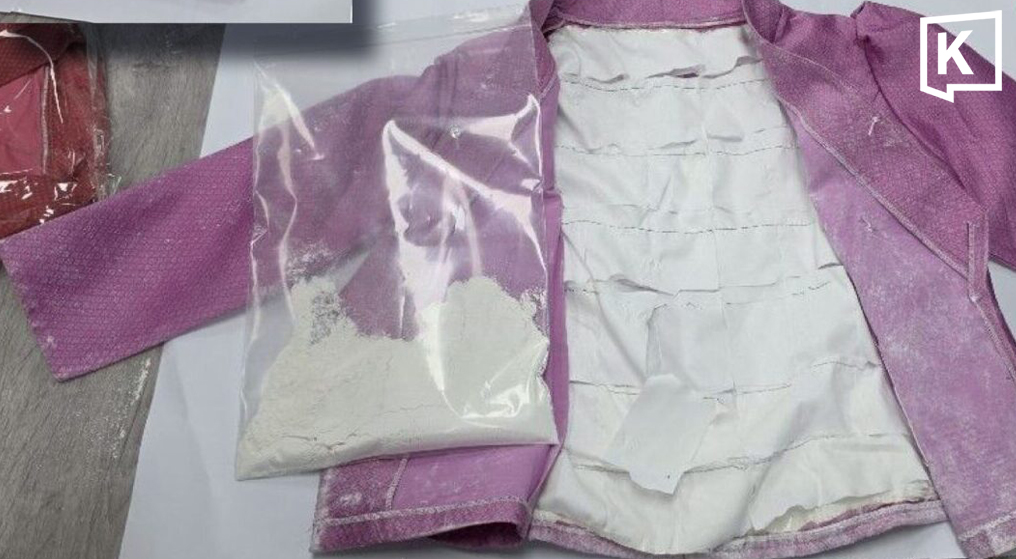
The Office of the Narcotics Control Board (ONCB) has seized over 24.38 kilograms of heroin hidden inside international parcels destined for Australia and Taiwan. The narcotics were cleverly concealed within silk clothing, coffee sachets, and winter jackets, as part of an operation that is expanding investigations into a network allegedly linked to the Golden Triangle drug syndicate. ONCB Secretary-General Pol. Lt. Col. Suriya Singhakamol said on July 2, 2026, that the ONCB, together with partner agencies, had intensified efforts to intercept narcotics destined for third countries. Authorities confiscated 24.38kg of heroin concealed inside local handicrafts, silk garments, coffee sachets and winter jackets packed in five international parcels prepared for shipment to Australia and Taiwan. The operation followed the seizure of two parcels in Bangkok on June 30, 2026, when officers found 8.17kg of heroin hidden inside local products destined for Australia. Investigators traced the parcels to Loei province. On July 1, 2026, ONCB officers inspected a parcel delivery shop in Loei and discovered that three more parcels with similar characteristics had already been dispatched to two locations in Bangkok, prompting immediate raids. At the first location in Bang Kapi district, officers seized two parcels containing 6.23kg of heroin concealed inside silk clothing. The shipment was bound for Taiwan. At the second location on Rang Nam Road in Ratchathewi district, officers found 9.98kg of heroin hidden inside coffee sachets and winter jackets. The parcel was destined for Australia. Further investigation found that the person directing the shipments to Australia is a Thai national wanted under an arrest warrant in Tak province on fraud charges, who allegedly issued instructions while residing in Australia. On July 2, 2026, officers searched three locations in Loei and Nakhon Phanom provinces linked to the parcel shipments and bank accounts used to receive transport payments. Those involved in sending the parcels told investigators that they had delivered the shipments twice together with the man’s Lao wife. They said they collected the parcels from a Lao man, while payment for the deliveries was transferred into the wife’s bank account. Pol. Lt. Col. Suriya said Thailand’s proximity to the Golden Triangle, a major production area for methamphetamine, crystal meth, heroin and ketamine, as well as its role as a regional transport hub with extensive land, air, sea and international parcel networks, makes close cooperation between domestic and international agencies essential in disrupting drug trafficking at every level. He said authorities will continue expanding the investigation to identify other members of the trafficking network and prosecute everyone involved under the law. Members of the public with information on drug-related activities are encouraged to contact the ONCB hotline 1386, available 24 hours a day. Officials said all information provided by informants will be kept strictly confidential. The post Silk shirts used to hide heroin in overseas parcel plot appeared first on Khaosod English.
多角的分析
このヘロイン密輸事件は、タイが国際的な麻薬密輸ルートにおける重要な結節点であることを改めて示している。ゴールデントライアングル地域で生産された麻薬が、タイの広範な物流網を利用してオーストラリアや台湾といった消費国へ運ばれている構図は、タイ経済に直接的な影響を与えるものではないが、国際的な麻薬取引の規模と、それに伴う資金洗浄や関連犯罪のリスクを示唆している。押収された麻薬の市場価格は数百万ドルに上ると推定され、この種の犯罪がもたらす経済的インセンティブの大きさを物語っている。
今回のヘロイン押収事件は、直接的な投資リスクをタイ経済に与えるものではない。しかし、タイが国際的な麻薬密輸のハブとなっている事実は、治安リスクや法執行能力に対する国際社会からの見方を間接的に影響する可能性がある。特に、タイの物流インフラが違法行為に利用されている事実は、サプライチェーンの安全性や信頼性に関心を持つ投資家にとって、注意すべき点となりうる。ただし、ONCBの迅速な対応は、麻薬対策への取り組みを示すものとも解釈できる。
この事件は、タイ国内の一般市民の生活に直接的な影響を与えるものではないが、麻薬密輸組織がタイ国内の物流網を悪用している実態を示す。特に、ルーイ県やナコーンパノム県といった地方都市の配送業者が、意図せずとも犯罪に加担させられている可能性は、地方経済や地域住民の生活に影を落とす。また、タイ国籍の人物がオーストラリアから指示を出していたという事実は、国境を越えた犯罪組織の広がりと、タイ国民が関与する国際犯罪の複雑さを示唆している。市民からの情報提供を促すホットラインの存在は、社会全体で麻薬対策に取り組む姿勢を示している。
今回の麻薬密輸事件は、バンコク市民の日常生活に直接的な影響を与えるものではないが、タイが国際的な麻薬ルートの一部となっている現実を浮き彫りにする。特に、オーストラリアや台湾といった国々への麻薬密輸に関与したタイ国籍の人物が、国外から指示を出していたという事実は、犯罪組織の国際的な広がりと、タイ国民がその一部として関与している可能性を示唆している。ONCBが市民からの情報提供を呼びかけていることは、治安維持への市民参加を促す試みであり、安全な社会の実現に向けた公共の課題として、国民一人ひとりの意識を高めるきっかけとなりうる。
背景・歴史的文脈
タイは、ミャンマー、ラオス、中国の国境が交わるゴールデントライアングル地域に隣接しており、長年にわたりメタンフェタミンやヘロインなどの麻薬生産・密輸の主要ルートとなっている。1970年代以降、この地域では麻薬組織が勢力を拡大し、タイは麻薬の生産地、密輸経由地、そして消費地としての側面を持つようになった。タイ政府は、米国や国連機関など国際社会と協力し、麻薬対策を強化してきたが、組織は巧妙化し、国際的な小包配送網を利用した新たな密輸手法が後を絶たない。今回の事件は、タイの地理的優位性と、国際的な物流網の拡大が、麻薬密輸組織にとって新たな機会となっていることを示している。
原文ソース
Khaosod English