General articles are free for 24 hours after publish.
Indonesia's Critical Mineral Extraction Threatens 'Living Economy,' Analysts Warn
Indonesia's economy remains heavily reliant on resource extraction, with critical mineral mining (nickel, gold, tin) threatening a 'living economy' through environmental damage and social impacts. Nickel mining in Raja Ampat is highlighted as a case in point.
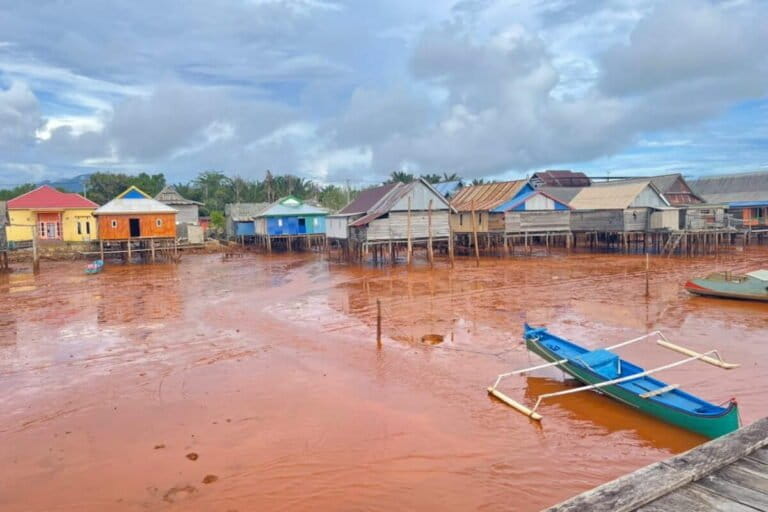
Indonesia's economy remains heavily reliant on resource extraction, with the mining of critical minerals such as nickel, gold, and tin increasingly active in coastal areas and small islands, raising concerns about their impact. A prime example is nickel mining in the Raja Ampat Islands, a UNESCO World Heritage site often described as "paradise fallen to earth." The development of mineral resources here carries the risk of destroying this precious ecosystem. Experts point out that such an "extractive economy" traps Indonesia in a cycle of structural problems, including poverty, widening inequality, ecological crises, biodiversity loss, and environmental pollution, which undermine people's livelihoods. Mineral resource development displaces farmers from fertile agricultural land and leads to reduced fish catches for fishermen. For instance, tin mine wastewater pollutes rivers and silts up riverbeds in Belitung. Expansion of monoculture plantations like palm oil and large-scale food estates infringes upon the land and traditional resource rights of indigenous communities. Farmers near forests lose their income from non-timber forest products like honey and rattan, and habitats for fauna are diminishing. Coral reef bleaching is caused by heavy metal pollution and tailings discharge, while mangrove forests, crucial carbon sinks, are also lost to development. These conditions make biodiversity depletion and ecological disasters unavoidable. The sight of nickel mining on Kawei Island suggests potential destruction of forests and pollution of water bodies from rivers to the sea. The extractive economy is not merely about extracting natural resources but also a system prioritizing exports, thus perpetuating structural issues, analysts argue.
Original source
Mongabay Indonesia