Philippines Pushes AI Development Bill, Focusing on Talent and SMEs
Technology
2026年7月14日
5
Philstar Business

Philippines Pushes AI Development Bill, Focusing on Talent and SMEs

AI サマリー

A proposed law in the Philippines aims to foster AI development and adoption, prioritizing computing access for researchers and supporting AI integration in SMEs and schools, while reserving strict regulations for high-risk systems.

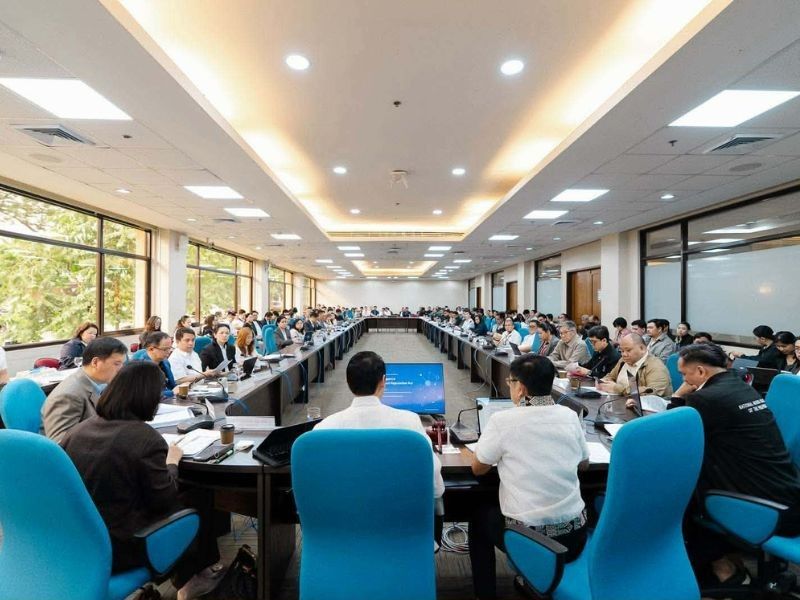
MANILA, Philippines — The Philippines is crafting an artificial intelligence (AI) law that prioritizes the development and adoption of the technology over strict restrictions. The proposed Artificial Intelligence Development and Regulation Act aims to fund computing access for Filipino researchers, promote AI adoption in small businesses and schools, and reserve stringent regulations for high-risk systems impacting loans, jobs, and health. "We studied Brussels, Washington and Beijing, but we are writing a Filipino law, one that works for the farmer, the teacher, and the small business owner in the province," said Rep. Javier Miguel Benitez (3rd District, Negros Occidental), who chairs the technical working group (TWG) under the House Committee on Information and Communications Technology (ICT). Approximately 60 stakeholders from government agencies, regulators, industry, universities, and civil society groups participated in Monday's deliberations at Speaker Nograles Hall. The measure is a priority for the House of Representatives, with 26 House bills, three House resolutions, and one privilege speech referred to the TWG and subsequently consolidated in the draft substitute bill. The panel refined the bill's objectives, broadly agreeing that AI systems should support human autonomy, informed decision-making, and meaningful human oversight. Language ensuring AI enhances rather than degrades human cognition was adopted. Stakeholders also highlighted the need to address AI's environmental impact, bolster national resilience in AI diplomacy amidst volatile global supply chains, and build sovereign AI capabilities for national security. Under the current substitute bill, most AI systems will not require government registration. Registration and safety checks are reserved for high-risk systems. Startups can operate under a government-established regulatory sandbox for supervised development, training, testing, and validation of new AI systems. Furthermore, the bill protects workers affected by AI-driven labor displacement. Crucially, no Filipino can be dismissed by an algorithm alone, and employers must provide 60 days' notice and retraining before any AI-induced displacement. "The goal is a law our innovators can build on, our regulators can enforce, and every Filipino can trust," Benitez stated. Stakeholders have until July 20 to submit proposed amendments through the Committee on ICT Secretariat. The panel will reconvene within the month. (Contributed story)

多角的分析

経済的影響

フィリピンがAI開発・普及を優先する法案を推進することは、国内のデジタル経済の成長を加速させる潜在力を持つ。特に中小企業や教育機関へのAI導入支援は、生産性向上や新たなビジネス機会の創出につながる可能性がある。しかし、AI技術の導入にはインフラ整備や人材育成が不可欠であり、これらの分野への継続的な投資が経済的恩恵を最大化する鍵となる。高リスクシステムへの規制は、金融や雇用における不公平な判断を防ぎ、消費者保護の観点からも重要である。

投資家心理

このAI法案は、フィリピンにおけるテクノロジー分野への投資機会を示唆している。AI開発、データサイエンス、サイバーセキュリティ関連企業は恩恵を受ける可能性がある。特に、規制サンドボックス制度は、AIスタートアップにとって実験と成長の場を提供し、初期段階の投資家にとって魅力的な環境となり得る。一方で、グローバルサプライチェーンの不安定性やAI外交における国のレジリエンス強化への言及は、地政学的リスクが投資判断に影響を与える可能性を示唆している。

社会的影響

AI法案は、AIによる労働力 displacement から労働者を保護する条項を含んでおり、社会的なセーフティネットの構築を目指している。アルゴリズムのみによる解雇の禁止や、60日前の通知と再訓練の義務付けは、AI導入に伴う雇用不安を軽減する試みである。しかし、AIが個人の融資、雇用、健康に影響を与える高リスクシステムにどのように適用されるか、その透明性と公平性が確保されるかが、社会的な受容の鍵となる。地方の農民や中小企業主といった、AI技術へのアクセスや理解が限定的な層への具体的な支援策の実施が問われる。

市民の声

AI法案は、フィリピン国民の生活に直接影響を与える可能性のあるAI技術の利用に関する枠組みを提供する。特に、アルゴリズムによる一方的な解雇を防ぐ措置は、多くの労働者にとって安心材料となるだろう。しかし、AIが融資や雇用、健康に関する決定を下す際に、その判断プロセスが国民に理解できる形で開示され、不当な差別や誤判断が生じないようにすることが重要である。地方の農民や中小企業主といった、ITリテラシーが低い層へのAI技術の普及と、それによる恩恵の公平な分配が、国民全体の利益に繋がるかの見極めが求められる。

背景・歴史的文脈

フィリピンにおけるAI法案の動きは、急速に進展するグローバルAI開発競争と、国内のデジタル変革推進という二重の文脈で捉えることができる。2022年のASEAN首脳会議では、AIの倫理的利用とガバナンスに関する議論が活発化し、各国がAI戦略の策定を急いでいる。フィリピン国内では、2020年頃からAI研究開発への関心が高まり、大学や研究機関での取り組みが進められてきた。この法案は、こうした国内の技術的基盤と、国際的なAI規制の潮流を踏まえ、技術開発と国民保護のバランスを取ることを目指している。

原文ソース

Philstar Business

原文を読む