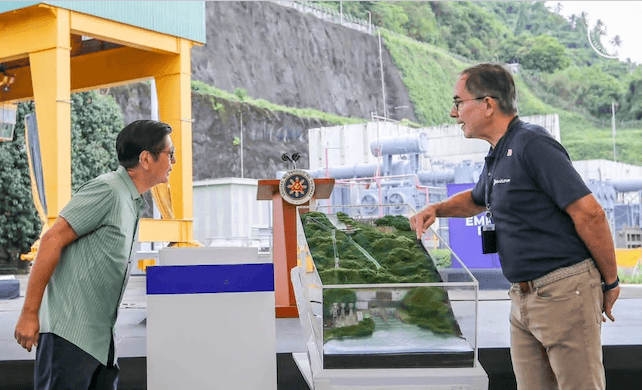
Aboitiz Group Secures Future of Luzon Grid with CBK Hydroelectric Complex Acquisition
Aboitiz Group acquired the Caliraya-Botocan-Kalayaan (CBK) hydroelectric complex for P36.27 billion. This acquisition is seen not just as an asset expansion but a strategic investment in the future Luzon electricity grid, anticipating the transition to renewable energy.
The Aboitiz group, through the Thunder Consortium, has strategically acquired the Caliraya-Botocan-Kalayaan (CBK) hydroelectric complex for P36.27 billion. This transaction is far more than a mere asset expansion driven by conventional corporate rivalry; it represents a profound structural positioning within the future architecture of the Luzon electricity grid. The acquisition signifies that the Aboitiz group was not merely purchasing a conventional power plant but deliberately securing a foundational long-term stake in tomorrow's modernized electricity infrastructure. The past decade has witnessed a significant macroeconomic shift in power system economics, fundamentally transforming how electricity is generated, distributed, priced, and valued. The traditional model, reliant on dispatchable baseload sources like coal and natural gas, is being disrupted by the rapid rise of intermittent renewable energy sources such as solar and wind. Today, the primary challenge for modern power systems is no longer just electricity generation but maintaining grid balance and stability in real time. This shift has lowered the value of basic power generation while increasing the value of flexible, on-demand energy storage and grid balancing services. The CBK complex possesses unique pumped-storage capabilities, unlike standard hydroelectric facilities. During periods of low grid demand and abundant baseline supply, it utilizes excess electricity from the network to pump water into its elevated reservoirs, effectively acting as a grid-scale utility battery. Conversely, when grid demand spikes or variable renewable generation drops, this stored water is rapidly released to generate and dispatch electricity almost immediately back into the grid. Pumped-storage facilities, which predate widespread lithium-ion battery adoption, have long been crucial for balancing power grids on a massive scale. These assets are highly protected from future competition due to a lack of suitable geographic locations, complex environmental permit processes, and the massive upfront funding required for their construction. Aboitiz Power Corporation's aggressive bidding reflects a sophisticated alignment of its corporate capabilities with these inevitable long-term macroeconomic and regulatory trends. Historically anchored in thermal generation, the company is executing a deliberate structural transition toward a diversified portfolio, recognizing that the future of electricity belongs to operators capable of integrating multiple energy sources while maintaining strict grid reliability. While the Philippine renewable transition is still in its early stages, the inflection point where balancing constraints dominate policy discussions is rapidly approaching as more solar and wind projects connect to the national network. Assets like CBK will command a lucrative, privileged position within the domestic electricity ecosystem when variable renewable penetration triggers a greater market need for immediate frequency regulation and rapid dispatch. The historical trajectory of the CBK complex mirrors the broader evolution of the Philippine power sector, moving from solving generation capacity deficits to managing grid complexity and resilience. Aboitiz's high-stakes, long-term bet on the CBK complex is a wager that its systemic importance will grow exponentially as the energy transition accelerates. The fiercest competition in the Philippine energy sector is now about controlling the critical nodes that keep the grid stable, not just generating raw electricity. In this context, undisputed ownership of the CBK complex may prove to be one of the most rewarding, defensive, and forward-looking corporate victories of the modern energy transition.
多角的分析
CBK発電所群の買収は、フィリピンの電力市場における構造的な転換点を示唆しています。再生可能エネルギーの普及に伴い、電力供給の変動性が増大する中で、揚水発電のような安定した貯蔵・供給能力を持つ資産の価値は飛躍的に高まります。アボイティス・グループは、短期的な収益性だけでなく、長期的な電力網の安定化に不可欠な資産を確保することで、将来的な市場での優位性を確立しようとしています。これは、従来の発電容量の拡大競争から、電力網の管理・安定化能力を巡る競争へと移行していることを示しています。
投資家にとって、この買収はフィリピンのエネルギーセクターにおける構造変化への適応能力を示すものです。アボイティス・グループは、火力発電中心のポートフォリオから、再生可能エネルギーとの統合、そして電力網の安定化に貢献する揚水発電資産へと、戦略的に事業を転換させています。これは、長期的な視点で、将来のエネルギー移行期におけるリスクを管理し、安定した収益源を確保しようとする姿勢の表れです。投資家は、このような先見性のある戦略を持つ企業に注目するでしょう。
CBK発電所群の買収は、フィリピン国民の電力供給の安定性という観点からも重要です。再生可能エネルギーへの移行は、電力価格の変動や供給の不安定化を招く可能性があります。揚水発電のような安定した供給能力を持つ資産の確保は、将来的な電力不足や大規模停電のリスクを低減し、国民生活の安定に貢献すると期待されます。また、アボイティス・グループが長期的な視点でインフラ投資を行うことで、地域経済の活性化や雇用創出にも繋がる可能性があります。
一般市民、特にマニラ首都圏のような電力消費が多い地域では、電力料金の安定化と供給の信頼性が常に懸念事項です。CBK発電所群のような揚水発電能力を持つ資産の確保は、再生可能エネルギーの変動性を補完し、電力網全体の安定性を高めることで、将来的な停電リスクの低減や、極端な電力料金高騰の抑制に繋がる可能性があります。アボイティス・グループがこうしたインフラに投資することは、長期的に見て市民生活の質を維持・向上させるための重要な一歩と言えるでしょう。
背景・歴史的文脈
フィリピンの電力セクターは、長らく発電能力の不足と、それに伴う頻繁な停電に悩まされてきました。1990年代の電力自由化以降、民間投資を呼び込み、発電能力の増強を図ってきましたが、近年は再生可能エネルギーの導入拡大と、それに伴う電力網の安定化という新たな課題に直面しています。CBK発電所群は、1950年代に建設が開始され、長年にわたりフィリピンの電力供給を支えてきた歴史を持ちます。その揚水発電能力は、変動性の高い再生可能エネルギー源が増加する現代において、その戦略的価値を再認識されています。アボイティス・グループによる今回の買収は、フィリピンが直面するエネルギー移行の課題に対する、民間セクターによる具体的な対応策の一つと言えます。
原文ソース
Rappler Business