General articles are free for 24 hours after publish.
Vietnam Prioritizes Flexible Power Sources for Energy Transition
Vietnam is urgently seeking flexible power sources, including LNG thermal power plants and renewable energy, to drive its energy transition. International investment is also active, with the focus on building an energy supply system to support economic growth.
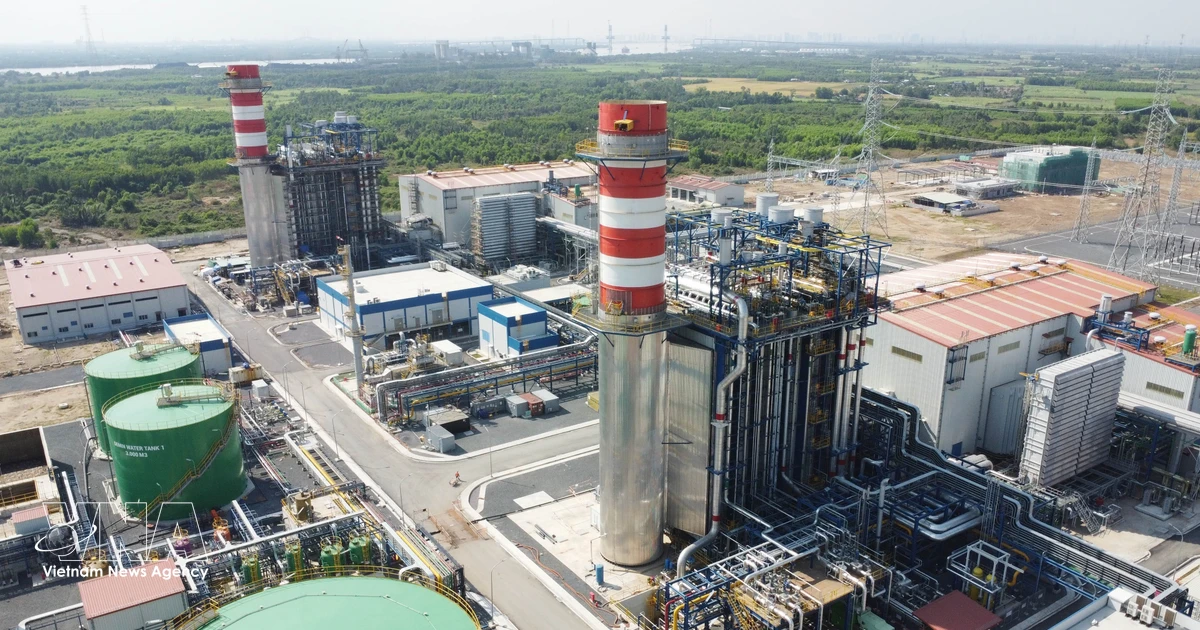
Vietnam is prioritizing the securing of flexible power sources as a crucial task in its energy transition, in response to rapid economic growth and increasing energy demand. The introduction of liquefied natural gas (LNG) thermal power plants and the utilization of renewable energy are particularly key. Russia's Novatek has expressed strong interest in Vietnam's LNG sector, exploring participation in the Ca Na project in Khanh Hoa province and opportunities in Vietnam's rapidly growing gas market. The project has a capacity of 1,500 MW, and on April 10, 2026, investment and credit agreements worth over 60 trillion VND (approximately 2.3 billion USD) were signed for the Ca Na LNG-fired power plant and Ca Na Wharf Complex (Phase 1). This signifies Vietnam's push for large-scale investment in energy infrastructure. Under its one-party system, Vietnam implements long-term development plans led by the state, with energy policy being a key component. With economic growth prioritized, power shortages could hinder industrial development, making the establishment of a stable supply system an urgent matter. In its relationship with China, while economic interdependence is growing, security concerns also exist, making diversification of energy sources important from a geopolitical perspective. Furthermore, Vietnam is encouraging investment in the renewable energy sector, with solar and wind power adoption progressing. However, to integrate these variable power sources stably into the grid, flexible sources like LNG thermal power are essential. The Vietnamese government aims to broaden FDI advantages across policy, infrastructure, and industrial real estate, creating an integrated production ecosystem suitable for high-value, technology-intensive, long-term projects. Improvements in the international competitiveness of Vietnamese companies are also notable, as exemplified by Vietjet's entry into the Top 100 in the 2026 Skytrax World Airline Awards. This serves as an example of the vitality of the overall economy, with energy infrastructure development forming the foundation to support such growth.
Original source
VietnamPlus English