Philippines Eyes AI Regulation Balancing Innovation and Risk Management
Technology
2026年7月5日
4
Philstar Business

Philippines Eyes AI Regulation Balancing Innovation and Risk Management

AI サマリー

The Philippines is pushing for the Artificial Intelligence Development and Regulation Act, aiming to balance innovation with risk management. The proposed law, presented to business leaders, includes user rights and prohibitions on harmful AI uses, seeking to bolster the domestic AI sector and international competitiveness.

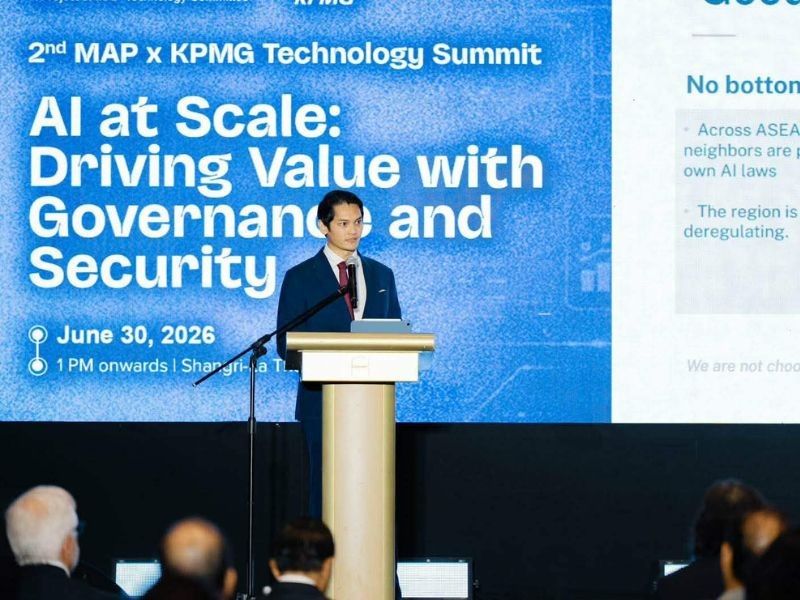
MANILA, Philippines — The Artificial Intelligence Development and Regulation Act was presented before some of the country's most senior business leaders, policymakers and technology executives at the 2nd MAP x KPMG Technology Summit — themed "AI at Scale: Driving Value with Governance and Security” — last June 30. Rep. Javier Miguel Benitez (3rd District, Negros Occidental), who heads the Technical Working Group for Artificial Intelligence at the House Committee on Information and Communications Technology, used the gathering of roughly 300 delegates to make the case that responsible regulation and economic competitiveness are not opposing goals. "We should not stifle innovation, but we regulate the risk," he told the summit at Shangri-La The Fort in Bonifacio Global City, Taguig, framing a credible AI law as an asset for Philippine business rather than a burden on it. The measure he presented consolidates 26 bills, three resolutions and a privilege speech into a single substitute bill, establishing a phased Philippine AI Commission under the Department of Information and Communications Technology. Its core features include a Bill of Rights for every AI user, a regulator that must meet defined readiness requirements before it can exercise its powers, and clear prohibitions on the most harmful uses of the technology, among them AI-generated abuse imagery and AI-enabled vote manipulation. Benitez emphasized that the draft was built on existing Philippine institutions and tailored to survive constitutional challenge, telling delegates that the team compared international frameworks but did not copy them. He described the proposal as both a serious piece of legislation and a deliberately unfinished one, inviting the executives, regulators, and industry leaders in the room to pressure-test its provisions before the Technical Working Group reconvenes on July 13, 2026. His participation placed a sitting legislator and primary author of the country's AI framework directly before the sectors the law will govern, positioning the Philippine approach as a model the country can offer the region this year. (Contributed story)

多角的分析

経済的影響

フィリピン政府は、AI分野におけるイノベーションを奨励しつつ、潜在的なリスクを管理するための法整備を進めている。これは、国内のテクノロジー産業の成長を促進し、グローバル市場での競争力を高めるための重要な一歩である。AI規制法案は、AI利用者の権利保護や有害な利用の禁止を明確にすることで、国内企業が安心してAI技術を導入・開発できる環境を整備し、結果としてBPO(ビジネス・プロセス・アウトソーシング)産業など、テクノロジーへの依存度が高いセクターのさらなる発展に寄与すると考えられる。また、国際的なAI規制の動向を踏まえつつも、フィリピン独自の状況に合わせた法案は、技術革新と経済成長のバランスを取る上でのモデルケースとなり得る。

投資家心理

AI規制法案の提示は、フィリピンにおけるAI関連投資の不確実性を低減させる可能性がある。明確な規制枠組みは、特に海外からの投資家にとって、事業運営における法的リスクを評価しやすくする。AI生成による著作権侵害やプライバシー侵害といったリスクが法的に定義されることで、AI技術を活用したサービスや製品開発への投資判断がしやすくなる。これは、フィリピンのデジタル経済への投資を促進し、スタートアップやテクノロジー企業への資金流入を後押しする要因となり得る。ただし、規制の具体的な運用や執行能力については、今後の動向を注視する必要がある。

社会的影響

AI技術の急速な発展は、フィリピン社会においても雇用の変化や情報リテラシーの重要性といった課題を提起している。AI規制法案に含まれる「AI利用者の権利章典」は、AIシステムとの関わりにおける個人の尊厳やプライバシー保護を保障するものであり、社会的な受容性を高める上で重要である。特に、AIによる誤情報や偏見の拡散、あるいはAIを用いた選挙操作といった懸念は、民主主義の根幹を揺るがしかねない。法案がこれらのリスクを未然に防ぐための具体的な禁止条項を設けていることは、市民の権利保護と公正な社会の維持に貢献すると期待される。一方で、AI技術の恩恵を享受する機会が、経済格差によって一部の層に偏らないような配慮も求められる。

市民の声

AI規制法案は、フィリピン国民の日常生活に直接的な影響を与える可能性がある。例えば、AI生成による偽情報や詐欺行為から消費者を保護する規定は、オンラインでの安全性を高める。また、AIによる採用活動やサービス提供における公平性を確保する条項は、差別的な扱われ方を防ぐことに繋がる。特に、AIを利用した選挙操作の禁止は、民主的なプロセスへの信頼を維持するために不可欠である。しかし、規制の施行が遅れたり、実効性が乏しかったりする場合、国民は依然としてAIの負の側面の影響を受け続けることになる。市民は、法案の具体的な内容や今後の運用について関心を持ち、自身の権利が適切に保護されるよう、情報収集を続ける必要がある。

背景・歴史的文脈

フィリピンにおけるAI規制の議論は、急速に進化するテクノロジーが社会経済に与える影響への対応として浮上している。世界的にAIの利用が拡大する中、各国はイノベーション促進と倫理的・法的課題への対処という二律背反の課題に直面している。フィリピンでは、情報通信技術(ICT)分野の成長が著しく、特にBPO産業はAI技術の導入による効率化が期待されている。一方で、AIによる偽情報、プライバシー侵害、雇用への影響といった懸念も高まっている。これらの背景から、政府はAIの健全な発展と社会への統合を目指し、包括的な規制枠組みの構築を急いでいる。今回の法案は、こうした国内の状況と国際的な潮流を踏まえ、フィリピン独自のAIガバナンスモデルを確立しようとする試みである。

原文ソース

Philstar Business

原文を読む