China Highlights Vientiane Low-Carbon Zone as Model for Green Development Cooperation
Infrastructure
2026年6月30日
3
KPL Laos News
Relations
🇱🇦Laos🇻🇳Vietnam🇨🇳China

China Highlights Vientiane Low-Carbon Zone as Model for Green Development Cooperation

AI サマリー

China has established a low-carbon demonstration zone in Vientiane, Laos, contributing to renewable energy adoption and emission reduction. This initiative is part of the bilateral sustainable development cooperation and showcases commitment to international climate action.

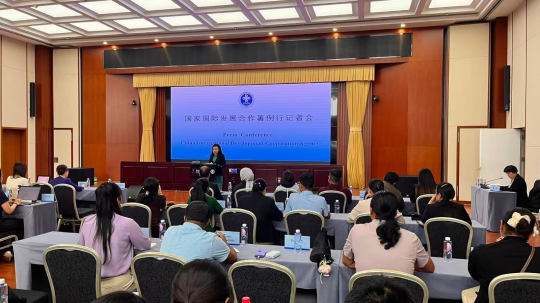
Speaking at a press conference in Beijing on June 30, Tang Ying, spokesperson for the China International Development Cooperation Agency (CIDCA), said the project demonstrates China's commitment to supporting sustainable development and climate cooperation with developing countries. According to CIDCA, the Vientiane-Saysettha Low-Carbon Demonstration Zone is one of ten low-carbon pilot projects established by China in partner countries. The project has introduced solar-powered street lighting, new-energy buses and environmental monitoring vehicles to support low-carbon urban development. CIDCA estimated that the newly deployed equipment could reduce carbon emissions by more than 1,200 tonnes annually, while contributing to improved urban services and environmental management. The project has also helped attract investment to the Saysettha Development Zone, supporting business activities and employment opportunities. Tang said China remains committed to promoting green development and strengthening cooperation with partner countries to address climate change and achieve sustainable development goals. The agency noted that 2026 marks the fifth anniversary of the Global Development Initiative and the beginning of China's 15th Five-Year Plan. CIDCA will continue to implement practical development projects in areas including education, agriculture, healthcare and vocational training, particularly for developing countries. During the briefing, CIDCA also announced that China would provide an additional 100 million yuan in emergency humanitarian assistance to support relief and reconstruction efforts in Venezuela following the recent earthquake, reaffirming its commitment to international humanitarian cooperation and disaster response. China’s long-term development has been driven by policy continuity, institutional stability and sustained reform, according to Wang Wen, Dean of the Chongyang Institute for Financial Studies at Renmin University of China, during an international media symposium held in Beijing on June 29. Kim Jong Un, General Secretary of the Workers’ Party of Korea and President of the State Affairs of the Democratic People’s Republic of Korea, gave field guidance at the newly-built facilities in the Wonsan Kalma Coastal Tourist Area on June 24. Going round the newly-built Kalma Tourist Railway Station, Kim Jong Un acquainted himself in detail with its construction and preparations for its operation. He praised the builders for their efforts to build a modern railway station in just one year, saying that it seemed as if it was a few days ago when he chose the construction site near the coastal tourist area in order to promote the convenience for passengers visiting the tourist area. Malaysia’s iconic cultural festival, Citrawarna 2026, will return to Merdeka Square in Kuala Lumpur from 24 to 26 July 2026, bringing together performers from across the country in a vibrant celebration of the nation’s rich cultural diversity, traditions, and heritage. The Beijing Demonstration Center of Service for Persons with Disabilities showcased its technology-driven rehabilitation, vocational training and accessibility programs to an international media delegation on Thursday, highlighting China’s efforts to promote inclusion and independent living. (KPL/VNA) The Singapore Institute of International Affairs (SIIA) on June 24 released its 2026 Haze Outlook report, warning that Southeast Asia could face a heightened risk of severe transboundary haze episodes in the remaining months of this year.

多角的分析

経済的影響

中国によるラオスでの低炭素実証ゾーン建設は、ラオス経済の多角化と持続可能な成長への移行を目指す動きと見られる。特に、サイセータ開発区への投資誘致は、外資導入による経済活性化を狙ったものであり、雇用の創出にも寄与する。しかし、ラオス経済は依然として中国への依存度が高く、インフラ開発や資源輸出に偏っている側面もある。今回のプロジェクトが、中国の経済的影響力をさらに強める可能性も否定できない。

投資家心理

このプロジェクトは、ラオスにおけるグリーンインフラ分野への投資機会を示唆している。太陽光発電や新エネルギーバスの導入は、再生可能エネルギー市場の成長ポテンシャルを示しており、環境規制の強化や持続可能性への関心の高まりを背景に、今後こうした分野への投資が増加する可能性がある。ただし、ラオスの政治的安定性や法制度の透明性は、投資家が考慮すべき重要な要素となる。

社会的影響

低炭素ゾーンの建設は、都市部における大気汚染の改善や、よりクリーンな交通手段の提供を通じて、ヴィエンチャン市民の生活環境向上に繋がる可能性がある。しかし、プロジェクトの恩恵が地域住民全体に均等に行き渡るか、また、開発に伴う土地利用の変化が地域社会にどのような影響を与えるかは、今後の注視が必要である。特に、地方部との格差是正や、開発から取り残される人々への配慮が求められる。

市民の声

サイセータ開発区に住む人々やそこで働く人々にとって、新エネルギーバスの導入は通勤の利便性向上や交通費の削減に繋がるかもしれない。また、環境モニタリング車両の増加は、より良い大気質への期待を生む。しかし、これらの恩恵が、開発区外の一般市民にまで及ぶかは不透明だ。物価への影響や、開発による地域社会の変容に対する不安も存在する可能性がある。

背景・歴史的文脈

ラオスは、1975年のラオス人民革命党による政権掌握以来、一党体制を維持している。経済開発においては、長らくベトナムとの関係が深かったが、近年は中国からの投資が急速に増加している。特に、鉄道やインフラ開発への巨額投資は、ラオスの経済成長を牽引する一方で、対中債務の増大や経済的依存の深化といった懸念も指摘されている。今回の低炭素ゾーン建設は、中国が推進する「一帯一路」構想の一環とも見られ、ラオスの持続可能な開発目標達成への貢献を謳う一方で、中国の地域における影響力拡大という側面も持つ。

原文ソース

KPL Laos News

原文を読む