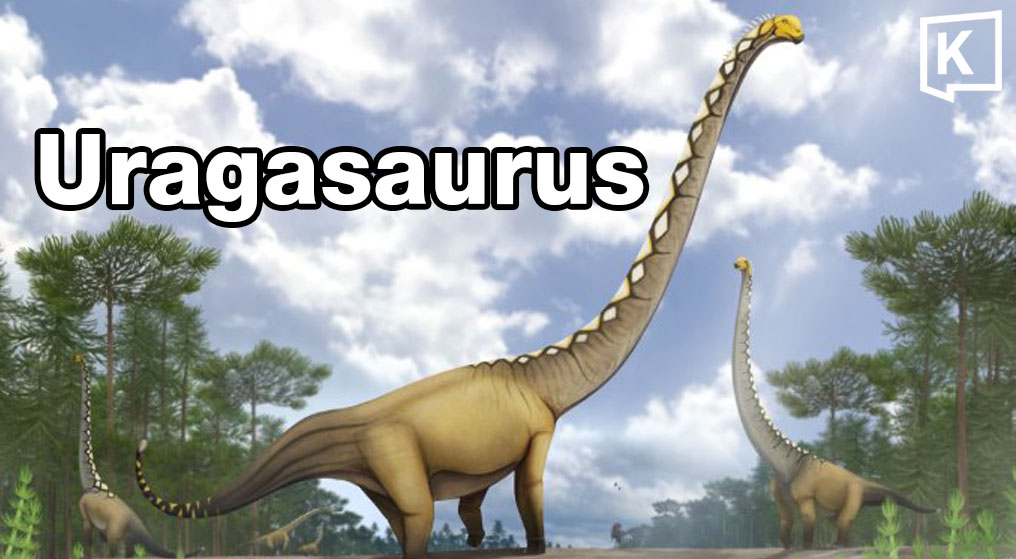
Thailand Names New Long-Necked Dinosaur Uragasaurus kalasinensis
Thai paleontologists have named a new species of long-necked dinosaur, Uragasaurus kalasinensis, discovered in Kalasin province. This discovery adds the 15th officially recognized dinosaur species to Thailand's fossil record, strengthening the country's position as a Jurassic dinosaur discovery site.
This article requires PRO
This article is outside the free access window or is a special report. PRO unlocks it and the full archive.
Related articles
- CP Group Chairman Gifts Nene Royal Premium Electric Car for AGT Win
Thai teen artist Nene Royal publicly thanked CP Group's honorary chairman Dhanin Chearavanont for gifting her a premium electric MPV. The gift celebrates her America's Got Talent Season 21 victory and aims to support her future endeavors.
- Thailand Evaluates Digital TV and Warning Systems, Seeks Public Input to Enhance Media Oversight
Thailand's National Broadcasting and Telecommunications Commission (NBTC) has launched public consultations in five regions to evaluate digital television and early warning systems, aiming to strengthen media oversight and incorporate public feedback into policy.
- Thai Star Nene Royal Debuts as Voice Actor for Disney's Billie in 'Hexed'
Nene Royal, a 16-year-old Thai rock sensation and 2026 'America's Got Talent' winner, will make her acting debut as the Thai voice of lead character Billie Doe in Disney's animated film 'Hexed'.
- Thailand to Host STI Inventions Contest 2026 to Foster Next-Gen Innovation
Thailand's Science and Technology Promotion Agency (STI) will host the "STI Inventions Contest 2026" to encourage innovative inventions by young people, aiming to foster innovation for the nation's future.