Quezon City Launches Citywide Kidney Screening Program
Society
2026年7月2日
5
Inquirer NewsInfo

Quezon City Launches Citywide Kidney Screening Program

AI サマリー

Quezon City, in partnership with a pharmaceutical company, has launched a large-scale screening program for early detection and awareness of chronic kidney disease (CKD). With an estimated 13 million Filipinos living with CKD, the initiative aims to enhance health support for residents, particularly high-risk individuals.

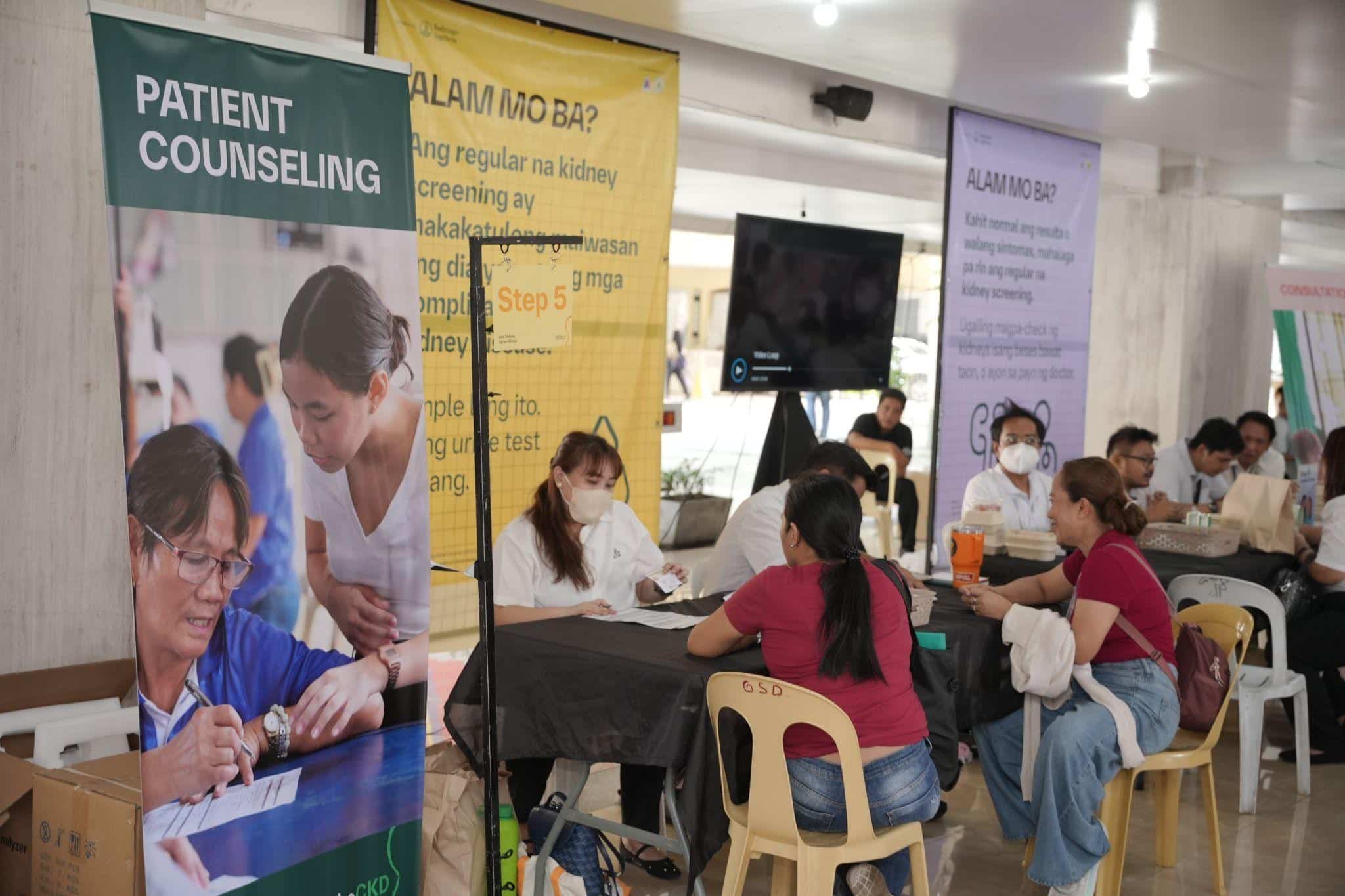
MANILA, Philippines — The Quezon City government and pharmaceutical company Boehringer Ingelheim (Philippines) Inc. have launched a citywide kidney screening and awareness program aimed at helping residents detect chronic kidney disease (CKD) early, as health experts warn that millions of Filipinos may already be living with the condition without knowing it. Launched June 22 in celebration of National Kidney Month, the “Iwas Dialysis, Ligtas Kidneys: Get CheCKD habang maaga pa!” initiative brings kidney health screening, risk assessment, patient counseling and health education directly to communities, particularly residents considered at higher risk of developing CKD. The program comes as CKD continues to pose a growing public health challenge in the Philippines. According to Boehringer Ingelheim, an estimated 13 million Filipinos, or 11.2 percent of the population, are living with CKD, with many cases remaining undiagnosed until the disease has already progressed. RELATED STORY: More young Filipinos getting chronic kidney disease — and they learn too late The campaign focuses on addressing one of the biggest challenges in kidney care: The disease often develops silently. Information from Boehringer Ingelheim’s ItStartsWithYou.com.ph notes that CKD is commonly called a “silent disease” because its early stages usually do not cause noticeable symptoms. Many patients learn they have kidney damage only after it has significantly progressed, when treatment options become more limited. Globally, CKD affects about 1 in 10 people, while approximately 1 in 7 Asian adults is estimated to have the disease. “National Kidney Month reminds us that awareness must go hand in hand with access to screening and preventive care,” said Dr. Bin Wang, general manager of Boehringer Ingelheim (Philippines) Inc. “Through Iwas Dialysis, Ligtas Kidneys, we aim to empower QCitizens to better understand their kidney health and take timely action when needed.” During the launch at Quezon City Hall, more than 4,000 residents underwent kidney health screening, risk assessment and patient counseling. Participants also visited interactive education booths that explained the close relationship among kidney, heart and metabolic health, including conditions such as diabetes. The initiative has continued to expand across the city. According to Boehringer Ingelheim, more than 8,000 individuals have undergone kidney health screening and assessment through the program to date, with Quezon City accounting for nearly half of its total reach. The program has been implemented in 21 barangays, primarily in District 1, and has recently expanded to District 2, including a pilot screening in Barangay Payatas that reached more than 200 residents. To strengthen community-based screening efforts, Boehringer Ingelheim also donated seven urine albumin-to-creatinine ratio (uACR) machines to the city government. The machines will be deployed across Quezon City’s six districts to support the early detection of CKD at the community level. “Advancing sustainability means enabling individuals and communities to live healthier lives,” said Augusto Muench, global head of sustainability at Boehringer Ingelheim. “When people are supported to prevent or better manage chronic conditions, they are better able to pursue opportunities, while healthcare systems are strengthened through a shift toward prevention and early intervention.” The kidneys filter waste and excess fluid from the blood, regulate blood pressure, help maintain healthy bones and produce hormones that support red blood cell production. When kidney function gradually declines, these vital functions become impaired. One reason CKD is often diagnosed late is the lack of obvious symptoms during its early stages. According to Boehringer Ingelheim’s patient education materials, many people experience no warning signs until kidney damage has already become significant. RELATED STORY: Motherhood’s joy dimmed by kidney disease Health experts recommend regular screening for individuals with known risk factors, particularly those with diabetes, hypertension, obesity, cardiovascular disease, a family history of kidney disease, or those age 60 and older. Global data also showed that 1 in 3 adults with diabetes and 1 in 5 adults with hypertension have CKD, underscoring the close relationship among these chronic conditions. Simple laboratory tests — including an estimated glomerular filtration rate (eGFR), which measures kidney function, and a uACR, which checks for protein in the urine — can help detect kidney disease before symptoms appear. As CKD advances, patients may begin experiencing swelling in the feet or ankles, persistent fatigue, difficulty concentrating, muscle cramps, poor appetite, nausea, changes in urination and other complications. Early diagnosis allows patients to receive appropriate treatment and adopt lifestyle changes that can help slow disease progression. The Quezon City government’s initiative combines screening with public education to encourage residents to seek care before kidney disease reaches advanced stages. The launch included an educational session led by Dr. Anthony Russell Villanueva, a nephrologist from the National Kidney and Transplant Institute, who discussed the connection among kidney, heart and metabolic health and emphasized the importance of early CKD detection in preventing serious complications. Participants also heard from CJ Luis of Dialysis PH Support Group Inc., who shared a personal journey with CKD and highlighted the value of early screening, greater public awareness and timely access to health care. The event concluded with a symbolic activity involving representatives from the Quezon City government, the health care community, patient organizations and Boehringer Ingelheim, reflecting their shared commitment to strengthening CKD awareness, prevention and early detection efforts. Quezon City Mayor Josefina “Joy” Belmonte said bringing preventive health services directly into communities can help residents seek care sooner. “Early screening of high-risk individuals can significantly delay chronic disease progression,” Belmonte said. “Here in Quezon City, we are committed to our shared advocacy of healthy kidneys, good kidney health, and, of course, early detection and prevention. Together, I know that we will bring Quezon City one step closer to a future where each QCitizen is healthy and ready to embrace their fullest potential.” Residents are encouraged to undergo regular health checkups and kidney screening, especially if they have diabetes, hypertension, obesity or a family history of kidney disease. More information about CKD, its risk factors and recommended screening is available through ItStartsWithYou.com.ph. /dm RELATED STORY: Marcos eyes 2027 completion of Southeast Asia’s largest dialysis hub

多角的分析

経済的影響

このスクリーニングプログラムは、CKDの早期発見と管理を通じて、長期的な医療費負担の軽減に貢献する可能性がある。透析や腎移植といった高額な治療を回避できれば、個人の経済的負担だけでなく、国の医療財政への影響も小さくなる。また、健康な労働力の維持・向上は、経済活動の活性化にも繋がる。

投資家心理

製薬会社ボーイング・インゲルハイムは、CSR活動と同時に、自社製品の認知度向上や市場でのプレゼンス強化を図っていると考えられる。フィリピンにおける慢性疾患の増加は、医薬品や医療機器市場の成長ポテンシャルを示唆しており、投資家にとっては、ヘルスケアセクターへの投資機会となりうる。

社会的影響

CKDは「サイレント・ディジーズ」と呼ばれ、早期発見が遅れがちなため、多くのフィリピン人が知らぬ間に病状を悪化させている。このプログラムは、特に経済的に困難な状況にある人々や、医療へのアクセスが限られている地方の住民にとって、健康格差の是正に繋がる可能性がある。しかし、スクリーニング後のフォローアップ体制や、治療費へのアクセスが課題となる。

市民の声

キニン市の市民、特に糖尿病や高血圧といった基礎疾患を持つ人々にとって、このプログラムは早期の健康リスク把握の機会となる。しかし、スクリーニングを受けたとしても、その後の治療費や生活習慣の改善には経済的な負担が伴う。CJ・ルイス氏のようなCKD経験者の声は、早期発見の重要性を訴える一方で、病気と闘う人々の現実的な困難も示唆している。

背景・歴史的文脈

フィリピンにおける慢性腎臓病(CKD)は、生活習慣病の増加、特に糖尿病や高血圧の蔓延と密接に関連している。これらの疾患は、腎臓に負担をかけ、長期的にCKDを引き起こす主要因となっている。国民の健康意識の低さや、医療へのアクセス格差も、CKDの早期発見を妨げる要因となっている。過去には、CKDの進行が発見された時には手遅れとなるケースが多く、透析患者の増加が社会問題化していた。このような背景から、公的機関と民間企業が連携し、地域住民への健康教育とスクリーニング機会の提供に注力する動きが活発化している。

原文ソース

Inquirer NewsInfo

原文を読む