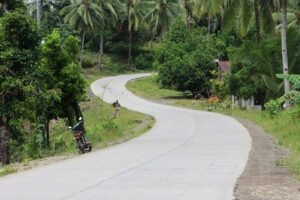
DA Approves P2.06 Billion for Rural Road and Bridge Projects
The Philippines' Department of Agriculture has approved P2.06 billion worth of farm-to-market road and bridge projects, aiming to improve access for agricultural communities to markets. The initiative is largely funded by the World Bank-backed PRDP Scale-Up infrastructure package.
This article requires PRO
This article is outside the free access window or is a special report. PRO unlocks it and the full archive.
Related articles
- House OKs 30-Year National Infrastructure Master Plan
The Philippine House of Representatives has approved on second reading a bill to institutionalize a 30-year national infrastructure master plan, aiming to ensure consistent project implementation regardless of political changes and promote long-term development stability.
- Philippines urged to secure high-value work in Pax Silica initiative
Experts urge the Philippines to secure high-value segments of the supply chain in the Washington-led Pax Silica initiative, rather than being a mere resource provider. Concerns about geopolitical risks and environmental/infrastructure impacts are also highlighted.
- Senate Files Resolution Commending Carlos Yulo's Historic Double-Gold Asian Games Triumph
A Philippine senator has filed a resolution to honor gymnast Carlos Yulo's historic double-gold achievement at the Asian Games. This feat is recognized as a significant triumph for Filipino sports.
- DA Urges Mimaropa Farmers to Conserve Water Amid El Niño Threat
The Department of Agriculture (DA) in Mimaropa has urged farmers across the region to conserve water and manage soil properly, anticipating the onset of El Niño. This directive comes in response to forecasts predicting drought conditions nationwide by March 2027.