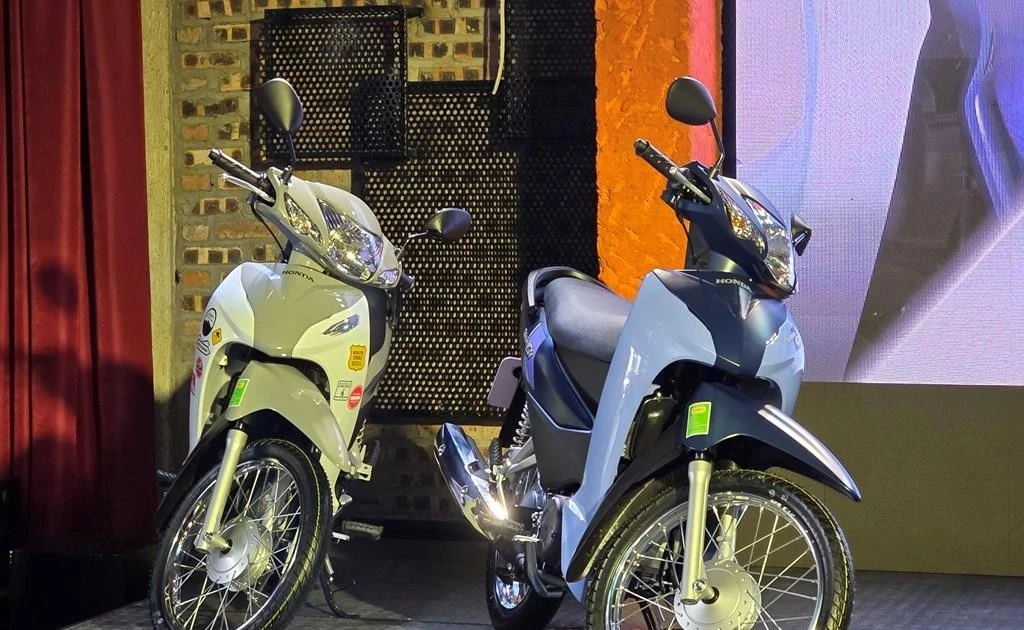
Honda Vietnam Sees 26% Car Sales Growth, Dominates Motorcycle Market
Business
2026年7月11日
4
VietnamPlus English

Honda Vietnam Sees 26% Car Sales Growth, Dominates Motorcycle Market

AI サマリー

Honda Vietnam reported a robust 26% year-on-year increase in automobile sales to 1,870 units in May. While motorcycle sales saw a slight decrease, the company continues to lead the market. Honda Vietnam is also advocating for policies to support environmental regulations and the adoption of electric vehicles.

Honda Vietnam recorded robust growth in May, with automobile sales increasing by 26% year-on-year to 1,870 units. In contrast, motorcycle sales declined by 3.9% year-on-year to 169,976 units, though the company remains a dominant force in this segment. The company is progressing with its plan for all newly manufactured and distributed internal combustion engine motorcycles to meet Euro 4 emission standards from fiscal year 2027 (April 1, 2026, to March 31, 2027), aligning with the government's emissions control roadmap. Furthermore, Honda Vietnam has called for reduced registration fees for hybrid vehicles, capped at 50% of the level applied to internal combustion engine vehicles of the same category. The company also seeks stronger support for supporting industries and higher localization rates in electric motorcycle production. Environmental regulations are becoming a significant focus for Vietnam's automotive industry. Growing international demand for stricter food safety, quality, and traceability standards is also impacting agricultural exports. By 2030, the goal is for all concentrated agricultural, forestry, and fisheries production areas to have access to essential services, including product traceability, quarantine, testing, quality certification, processing, and market development. Vietnam's automotive market is expected to maintain its growth momentum through the remainder of 2026, driven by competitive auto loan interest rates, stable vehicle supply, and an increasingly diverse product range. SUVs, MPVs, and hybrid vehicles are anticipated to be the main drivers of overall market sales. According to KFME President Song Chi Young, Vietnam's young population, dynamic market, and significant growth potential are an ideal fit for the strengths that Korean micro-businesses bring in K-brands, technology, and service expertise. To convert these opportunities into growth, improving the investment climate, upgrading logistics and energy infrastructure, accelerating digital transformation, and developing a highly skilled workforce are crucial for Vietnam. Additionally, Gia Lai province is positioning ESG as a pillar for building competitive advantages and achieving sustainable development, recognizing it as an essential requirement for accessing global capital. Developed under a strategic cooperation agreement between the Vietnamese and Japanese governments, a nearly 1,000-hectare industrial park is expected to become the city's first eco-industrial park under the country's new regulatory framework. The magazine reported that the VF 2, retailing at 188 million VND (USD 7,200) with the battery included, is one of the most affordable electric cars in the Vietnamese market. Vietnam Airlines stated that weather-related schedule changes are unavoidable and are made to ensure the safety of passengers and crew. A facility built on nearly 20 hectares at Huu Thanh Industrial Park is the company's largest and most advanced plant in Vietnam, and the biggest production site in Suntory PepsiCo's Asian manufacturing network. The factory has a designed annual production capacity of over 1.24 billion liters and is equipped with highly automated production, filling, and warehousing systems. With its enlarged development space, Ho Chi Minh City now combines strengths in urban development, industry, and services with high-tech agriculture, the marine economy, logistics, and diverse ecological areas. These conditions provide an ideal testing ground for UAV applications in urban management, land administration, environmental monitoring, disaster prevention and response, agriculture, logistics, and public services. Projects with a combined investment of around 12 trillion VND (approximately USD 460 million) include the expansion and upgrading of Provincial Roads DT769 and DT773, along with the construction of DT770B, all expected to play a strategic role in the region's transport network. The city's tourism sector continues to benefit from expanding air connectivity. In the first six months of this year, Da Nang welcomed nearly 9.77 million overnight visitors, up 22% year-on-year. International tourist arrivals exceeded 5.16 million, an increase of 28%. The Vietnam Association of Motorcycle Manufacturers (VAMM) announced on July 10 that its five member companies sold 638,431 motorcycles in the second quarter, up 4.4% from the same period last year. Despite headwinds from Middle East tensions that have pushed up freight and logistics costs, exports of wood and wood products were estimated at USD 1.53 billion in June, lifting first-half export turnover to USD 8.54 billion, up 4.4% from a year earlier, according to the Ministry of Agriculture and Environment (MAE). Despite the encouraging performance, Vietnam's exports remain heavily dependent on a limited number of major markets and product groups, while the domestic value added of many export products remains relatively low due to their reliance on imported raw materials and components. Speaking at the city's regular socio-economic press briefing on July 9, Deputy Head of the Ho Chi Minh City Export Processing and Industrial Zones Authority (HEPZA) Tran Viet Ha said that foreign direct investment (FDI) accounted for nearly USD 1.6 billion of the total, including 65 newly licensed projects worth more than USD 867 million and 83 existing projects that added over USD 707 million in registered capital. With the current trading band of +/- 5%, the ceiling rate applicable for commercial banks during the day is 26,475 VND/USD, and the floor rate is 23,953 VND/USD. The initiative marks a shift from traditional investment promotion toward a digital ecosystem that standardizes information and provides transparent connections with investors worldwide. Textile and seafood exporters are struggling to retain enough workers to meet recovering export demand, underscoring a shift in constraints from demand to workforce capacity.

多角的分析

経済的影響

ホンダベトナムの自動車販売台数26%増は、ベトナム国内の消費者の購買力向上と、多様化する車両ラインナップへの需要増を示唆している。特にSUV、MPV、ハイブリッド車への関心の高まりは、自動車市場の構造変化を反映している。一方で、二輪車販売の微減は、都市部での自動車へのシフトや、環境規制強化による影響も考えられる。政府によるハイブリッド車への登録料軽減や、EV生産における現地化率向上への働きかけは、ホンダが将来的な電動化シフトを見据えていることを示しており、これはベトナム経済全体のグリーン化戦略とも合致する動きである。

投資家心理

ホンダベトナムの好調な自動車販売は、ベトナム自動車市場の成長ポテンシャルを示唆しており、投資家にとって魅力的なサインとなる。特に、政府が環境規制を強化し、EV普及を後押しする政策を打ち出していることから、関連産業への投資機会も生まれる可能性がある。しかし、輸出依存度の高さや、原材料・部品の輸入への依存といったベトナム経済の構造的な課題は、依然としてリスク要因となりうる。投資家は、これらのマクロ経済的要因と、ホンダのような主要企業の戦略を総合的に評価する必要がある。

社会的影響

ホンダベトナムの自動車販売増加は、ベトナム国民の生活水準向上と消費行動の変化を反映している。都市部を中心に、より快適で安全な移動手段としての自動車への需要が高まっていると考えられる。一方で、二輪車販売の減少は、都市部での交通渋滞や大気汚染問題への意識の高まり、あるいはより環境に優しい移動手段への関心の兆候とも捉えられる。ホンダが求めるハイブリッド車への優遇措置やEV普及への働きかけは、将来的な交通インフラと環境問題への社会的な関心の高まりを背景にしたものである。また、農産物輸出におけるトレーサビリティ要求の高まりは、生産者から消費者まで、食の安全に対する社会全体の意識向上を示す。

市民の声

ホンダベトナムの自動車販売増加は、多くのベトナム市民、特に都市部で働く人々にとって、より快適で効率的な移動手段の確保を意味する。しかし、自動車の普及は交通渋滞や駐車スペースの問題を悪化させる可能性もある。一方、二輪車販売の減少は、一部の市民が環境問題や燃費を考慮し、より持続可能な交通手段を模索していることを示唆している。ホンダが提言するハイブリッド車への優遇措置は、市民の購入選択肢を広げ、環境負荷の低減に貢献する可能性がある。また、農産物のトレーサビリティ強化は、市民がより安全で質の高い食品を入手できる機会を増やすだろう。

背景・歴史的文脈

ベトナムは、1986年のドイモイ政策以降、市場経済化を進め、目覚ましい経済成長を遂げてきた。特に自動車産業は、国内需要の増加と外資系企業の進出により発展してきたが、長らく二輪車が主要な移動手段であった。近年、所得水準の向上に伴い四輪車への需要が増加し、SUVやMPVといった多様な車種が人気を集めている。同時に、ベトナム政府は環境問題への意識を高め、排出ガス規制の強化やEV普及に向けた政策を推進しており、自動車メーカー各社はこれに対応を迫られている。ホンダベトナムは、二輪車市場での圧倒的なシェアを背景に、四輪車市場でも存在感を高め、環境規制への対応を模索している。

原文ソース

VietnamPlus English

原文を読む