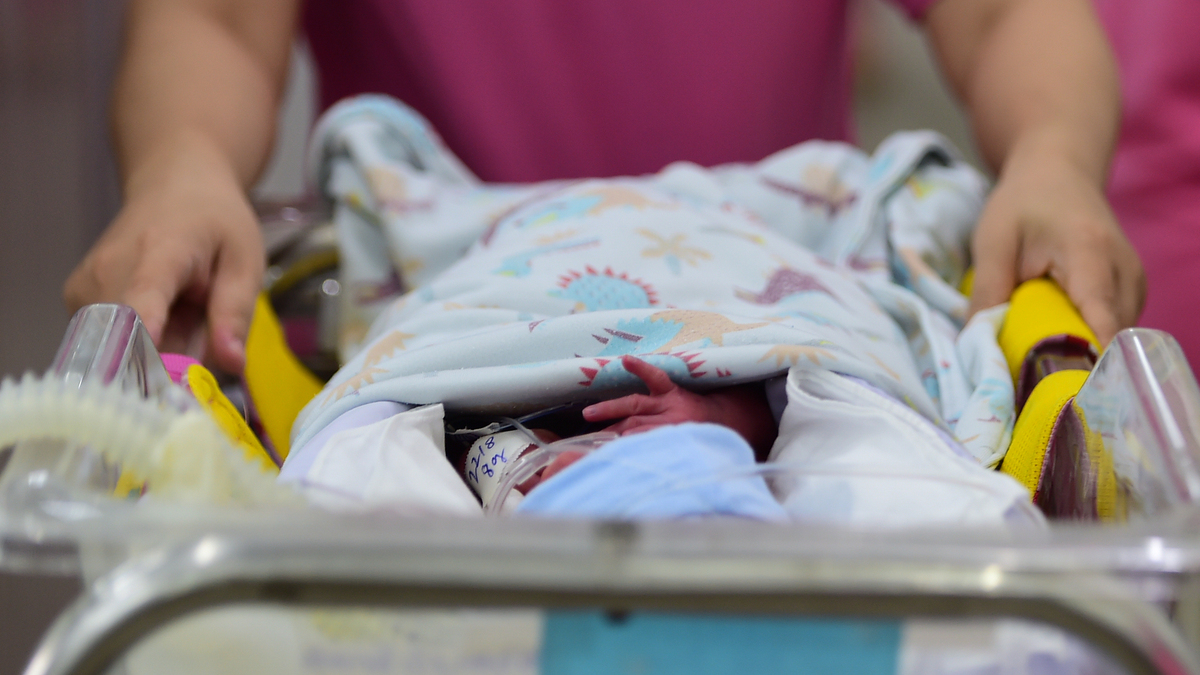
Vietnam Grapples with Low Birth Rate, Cash Incentives Show Limited Impact
Society
2026年7月29日
5
VnExpress

General articles are free for 24 hours after publish.

Vietnam Grapples with Low Birth Rate, Cash Incentives Show Limited Impact

Share
AI Summary

Facing its lowest birth rate on record, Vietnam is implementing incentives like cash bonuses and extended parental leave. However, rising education and housing costs, coupled with career aspirations, make young couples hesitant to have a second child, suggesting these measures have limited impact.

Vietnam is grappling with its lowest-ever birth rate, prompting the government and local authorities to introduce various incentives aimed at encouraging couples to have more children. However, experts suggest that these measures, including cash bonuses and extended parental leave, have limited impact due to a confluence of factors such as the high cost of living, education, and housing, alongside evolving lifestyle choices among young people. In Ho Chi Minh City, a woman identified as Ms. Lan, who earns over VND 30 million (approximately USD 1,200) per month with her husband, finds that rent, tuition, and daily expenses for their first child already consume a significant portion of their income. While the city offers a VND 5 million (USD 200) incentive for women who have their second child before the age of 35 – the highest in the country – Ms. Lan expressed her concerns: "This amount is only enough for a few months of milk and diapers. My worry is not about childbirth, but the tens of millions of dong (thousands of dollars) spent each year to raise a child." Vietnam's total fertility rate has fallen to 1.93 children per woman in 2025, below the replacement level of 2.1 for the first time and marking a historic low. This trend raises concerns about rapid population aging, labor shortages, and a declining population size. In response, Vietnam's population policy has shifted. The Law on Population, effective July 1, 2023, grants couples the right to decide when to have children, the number of children, and the spacing between births. New policies include extending maternity leave for second births to seven months, increasing paternal leave, and providing support for women in low-fertility areas. Dr. Nguyen Thi Thu, Deputy Head of the Population Size and Family Planning Department at the General Department of Population, stated that these policies broaden support systems through measures related to employment, wages, social insurance, health insurance, education, healthcare, allowances, and housing. Beyond central government initiatives, many localities have implemented their own policies. Twenty-five out of 34 provinces and cities have developed programs to maintain the replacement fertility rate, while eight have introduced specific population policies. Five localities offer direct cash support to parents. Ho Chi Minh City's VND 5 million incentive for women having their second child before 35 is the highest. However, a significant portion of the population, like Ms. Lan, finds these incentives insufficient to offset the long-term financial burden of raising children. Experts like Mr. Pham Chanh Trung, Head of the Ho Chi Minh City Population Division, acknowledge that while the VND 5 million is not enough to cover all child-rearing costs, it serves as a recognition and encouragement. He also noted that decisions about having children are influenced by a multitude of economic, social, and lifestyle factors, including high housing and education costs, career aspirations, and limited family time. Mr. Mai Xuan Phuong, former Deputy Head of the Communication-Education Department at the General Department of Population, argued that current policies lean more towards rewards than social security. Sustainable procreation policies, he suggested, should focus on alleviating the burdens families face in raising children, rather than just offering incentives. Proposals include monthly allowances for children up to 36 months old and preferential access to social housing for families with two children. International experience suggests that financial incentives alone are not the sole determinant. Experts emphasize the need to create an environment where young people feel secure about marriage, childbirth, and child-rearing, characterized by stable employment, adequate income, suitable housing, accessible childcare, family-friendly workplaces, and shared responsibility among the state, businesses, and society. Information Source: VnExpress

0

Original source

VnExpress

原文を読む