Ho Chi Minh City Celebrates 50 Years Since Renaming in Honor of Ho Chi Minh
Economy
2026年7月2日
5
VnExpress

Ho Chi Minh City Celebrates 50 Years Since Renaming in Honor of Ho Chi Minh

AI サマリー

Ho Chi Minh City marked the 50th anniversary of being named in honor of President Ho Chi Minh. The commemoration, attended by the President, reflected on the city's economic growth and social development over the past half-century. The renaming symbolizes national reunification and socialist construction post-Vietnam War.

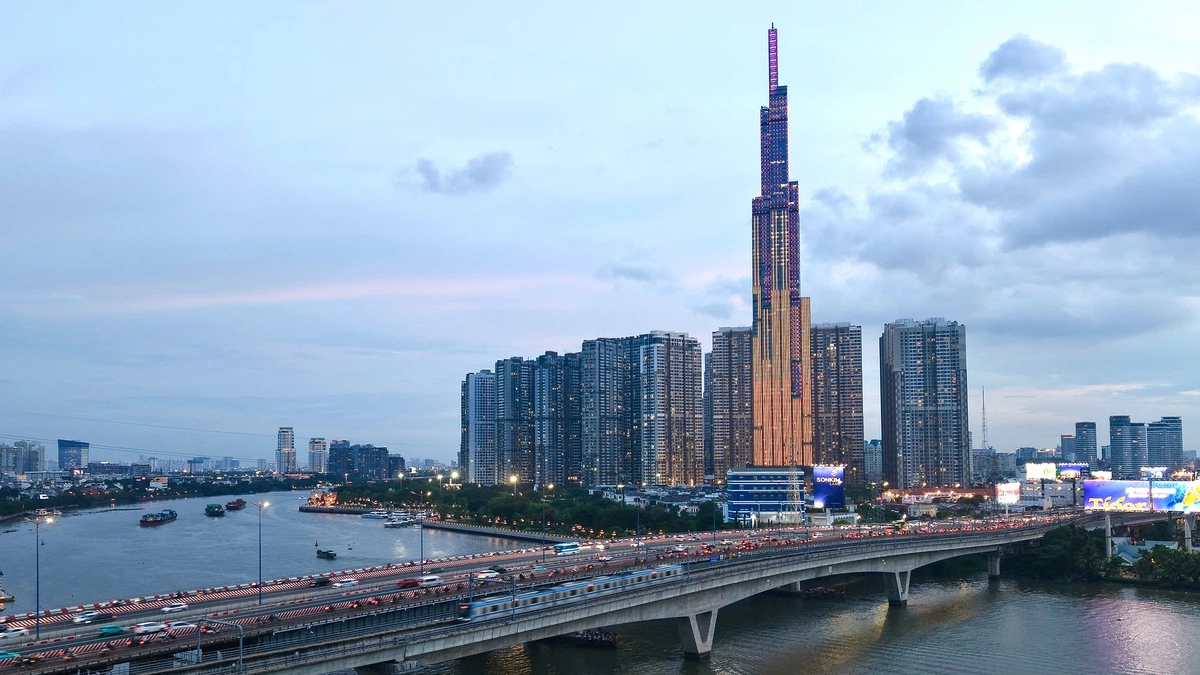
Ho Chi Minh City held a ceremony this morning to commemorate the 50th anniversary of being officially named in honor of President Ho Chi Minh. The celebration took place at the Reunification Palace (Ben Thanh Ward), with the attendance of leaders, former leaders of the Party, State, and Ho Chi Minh City through different periods; Heroic Vietnamese Mothers, meritorious individuals, dignitaries, intellectuals, and a large number of delegates. This is a key political event in the series of activities to celebrate 50 years since the city of Saigon - Gia Dinh was officially named Ho Chi Minh City (July 2, 1976 - July 2, 2026). According to the program, the ceremony began at 8 a.m. with an art program recreating the city's 50-year journey of construction and development. After the flag-raising ceremony, Secretary of the Ho Chi Minh City Party Committee Tran Luu Quang delivered a commemorative speech; representatives of the people and the younger generation also spoke. Following this, General Secretary and President To Lam delivered a directive speech, before the Secretary of the City Party Committee gave his concluding remarks. Nha Rong Wharf - the site that witnessed the event on June 5, 1911, when young man Nguyen Tat Thanh (later President Ho Chi Minh) boarded the ship Amiral Latouche Tréville to begin his journey to find a way to save the country. On July 2, 1976, at the first session of the 6th National Assembly, the National Assembly resolved to name the city of Saigon - Gia Dinh as Ho Chi Minh City, immediately after passing the name of the country as the Socialist Republic of Vietnam. This decision is considered a recognition of the contributions and sacrifices of this land, which led the way in the resistance wars. The idea of naming the city after President Ho Chi Minh was proposed very early. On August 25, 1946, representatives of the Southern people in Hanoi petitioned the National Assembly and the Government to change the name of Saigon - Gia Dinh to Ho Chi Minh City. However, it took 30 years, after two resistance wars against the French and the Americans, for this aspiration to become a reality. Over the past half-century, from a war-torn city, Ho Chi Minh City has risen to become the country's economic engine, contributing significantly to the state budget and being the origin of many innovative mechanisms in economics and urban management. The city has maintained high growth in many periods, shifting strongly towards services, high-tech industries, and the digital economy; forming export processing zones and industrial parks; developing many new urban areas and transportation infrastructure systems with ring roads, metro lines, and many key projects. In parallel with economic development, the city has promoted social security, poverty reduction, urban beautification, housing improvement, cultural preservation, and the construction of the Ho Chi Minh City Cultural Space. In recent years, Ho Chi Minh City has been granted more special mechanisms for development; at the same time, it has implemented a two-tier local government model and merged with Binh Duong and Ba Ria - Vung Tau provinces, opening a new development phase for the metropolis of over 14 million people.

多角的分析

経済的影響

ホーチミン市の経済的発展は、ベトナムの市場経済化(Đổi Mới)以降、特に顕著である。1976年の改称以降、同市は経済特区やハイテク産業の集積地として、国内外からの投資を積極的に誘致してきた。サービス業、デジタル経済へのシフトは、ベトナム経済全体の構造変化を象徴しており、国家予算への貢献度も大きい。この成長は、中央政府による経済特区政策や、都市インフラへの大規模投資によって支えられてきた側面がある。

投資家心理

ホーチミン市への投資は、依然として高いリターンが期待できる分野が多い。特に、サービス業、ハイテク産業、デジタル経済への投資は、都市の成長戦略と合致しており、今後も成長が見込まれる。ただし、不動産市場の過熱や、インフラ整備の遅れはリスク要因となりうる。また、ベトナムの一党体制下における政策変更のリスクも考慮する必要がある。近年、同市に付与された特別な経済メカニズムは、投資家にとって新たな機会を提供する可能性がある。

社会的影響

ホーチミン市は、経済発展の恩恵を受ける一方で、都市化の進展に伴う社会的な課題にも直面している。例えば、急激な人口増加による住宅不足や交通渋滞は、市民の生活の質に影響を与えている。また、「ホー・チ・ミン文化空間」の建設は、都市のアイデンティティ形成と精神的な充足を目指すものだが、その内容は多様な市民の意見を反映する必要がある。地方からの移住者も多く、都市部と地方の生活格差や文化的な摩擦も存在する可能性がある。

市民の声

ホーチミン市市民にとって、ホー・チ・ミン主席の名を冠した都市としての50周年は、国家の統一と発展の象徴として受け止められている。多くの市民は、過去半世紀にわたる経済成長と生活水準の向上を実感しているだろう。しかし、急速な都市化は、住宅価格の高騰や交通渋滞といった日々の生活における課題も生み出しており、これらの問題に対する政府の対応が、市民の満足度に大きく影響する。特に若年層は、より良い雇用機会や生活環境を求めている。

背景・歴史的文脈

サイゴン・ザーディン市がホーチミン市と改称されたのは、1975年のベトナム統一後、国家の再編と社会主義建設を進める中で行われた。1976年7月2日、第6期国会において正式に決定された。この改称は、ベトナム独立の父であるホー・チ・ミン主席への敬意を示すと同時に、南ベトナム解放戦線が掲げた「サイゴン解放」の象徴的な継続であり、国家統一の意志を内外に示すものであった。改称以前にも、1946年には既にサイゴン・ザーディン市をホー・チ・ミン市とする提案があったが、当時の政治情勢により実現しなかった。この50年間で、同市はベトナム経済の牽引役として急速な発展を遂げ、国際的な経済都市へと変貌を遂げている。

原文ソース

VnExpress

原文を読む