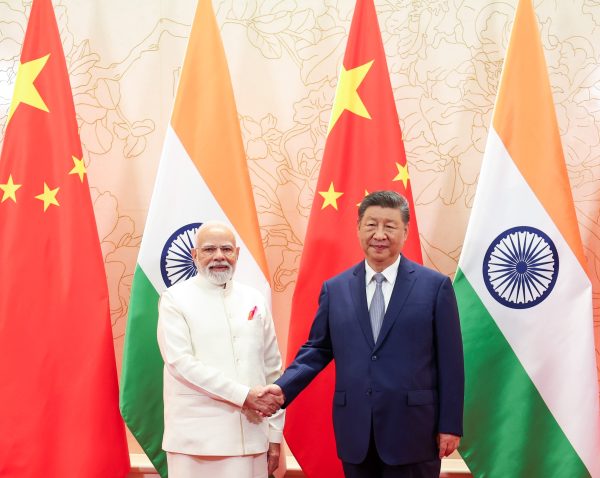
India Allows Chinese Equipment in Critical Projects Again Amid Economic Realities
India has granted a two-year exemption allowing Chinese-linked power equipment manufacturers to bid for critical government projects. This decision, despite increased scrutiny of Chinese firms post-2020 border clashes, highlights India's continued economic dependence on China.
India has granted a two-year exemption to four China-linked power equipment manufacturers, allowing them to bid for critical government projects. This decision comes despite New Delhi having tightened scrutiny of Chinese investments and suppliers following the Galwan clashes in 2020. The move is significant as it compels the government to acknowledge a simple fact: there are areas where India still lacks adequate domestic alternatives, particularly in sectors crucial for its economic growth and energy transition. Despite being strategic rivals with an unresolved border dispute, India's economy remains heavily dependent on Chinese products and components to keep its industries functioning. India's trade figures highlight this dependence, with China remaining its largest trading partner, though the relationship is strikingly lopsided. India's imports from China have surged, resulting in a trade deficit that has crossed $100 billion in recent years. This imbalance reflects India's reliance on Chinese manufacturing and its inability to compete in several critical industrial sectors. From mobile phones and electronics to solar panels, machinery, chemicals, and pharmaceutical ingredients, China is the principal supplier for numerous products essential to India's manufacturing ecosystem. Even sectors showcased as symbols of economic success often depend on Chinese inputs. This decision to allow Chinese firms back into government contracts is more than a routine policy adjustment; it is an admission that economic realities often trump political rhetoric. The concern is not merely the trade deficit but strategic vulnerability, as excessive dependence on a single country can expose the economy to supply disruptions and geopolitical pressure. Former Reserve Bank of India Governor Raghuram Rajan has repeatedly warned about the importance of economic resilience and diversifying import sources. He has argued that India cannot simply replicate China's manufacturing model and must build strengths through innovation and higher-value industries. The latest decision, while not signifying an economic surrender to China, serves as a warning. India had to relax restrictions on Chinese companies to meet its infrastructure and energy needs, underscoring that economic dependence can create vulnerabilities as serious as military threats. Ultimately, 21st-century strategic autonomy will depend as much on resilient supply chains and domestic industrial capacity as on diplomacy and defense. Until India develops these capabilities and narrows its massive trade imbalance with China, it will continue to confront the uncomfortable truth that, even as it competes geopolitically, it still cannot do without China economically. Information Source: The Diplomat Indonesia
多角的分析
インドの重要インフラ事業への中国製機器の再容認は、国内産業の未発達とサプライチェーンの脆弱性を示唆している。特に、再生可能エネルギーや医薬品原料といった戦略的セクターにおける中国への依存は、インドの経済的自律性を損なうリスクを内包する。生産連動型インセンティブ(PLI)スキームなどの国内製造業育成策は進められているものの、その効果が中国製品の代替となるには時間を要する。貿易赤字の拡大は、単なる商業問題ではなく、インドの産業構造の根本的な課題を浮き彫りにしている。
今回の決定は、インドのインフラ開発における中国製機器への依存が、地政学的リスクを抱えつつも、コストや技術的な制約から回避できない現実を示している。投資家にとっては、インドの国内製造能力の向上ペースと、中国への依存度低減の進捗を注視する必要がある。特に、戦略的セクターにおけるサプライチェーンの安定性は、長期的な投資判断において重要な要素となる。中国企業への一時的な門戸開放は、短期的にはプロジェクトの遅延リスクを軽減する可能性があるが、長期的な視点では国内技術育成の機会損失にもなり得る。
インド政府が重要インフラ事業に中国製機器を再び許可したことは、国民生活に直接的な影響を与える可能性がある。例えば、電力供給の安定化や再生可能エネルギー導入の遅延は、エネルギーコストや環境問題に影響を及ぼす。また、国内産業の育成が遅れることは、雇用創出の機会を限定し、若年層の将来への不安を増大させる可能性がある。ガルワン渓谷での衝突以降、中国製品ボイコットを求める声もあったが、経済的現実がそれを上回った形であり、国民の間には、国家安全保障と経済的必要性との間で揺れる複雑な感情が存在すると考えられる。
インド市民にとって、このニュースは、日々の生活に不可欠なインフラ整備と、中国との複雑な関係の間で、政府が難しい判断を迫られていることを示している。例えば、電力料金の安定性や、よりクリーンなエネルギーへの移行速度は、市民の生活コストや健康に直結する。中国製機器の導入がプロジェクトの迅速化に寄与する一方で、国内産業が育たず、長期的に国際的な経済的圧力にさらされるリスクは、市民の将来への不安材料となり得る。特に、国内での雇用機会の創出が遅れることは、若年層にとって大きな懸念事項となるだろう。
背景・歴史的文脈
インドと中国の関係は、1962年の国境紛争以来、歴史的に緊張を孕んでいる。2020年のガルワン渓谷での衝突を機に、インドは対中警戒を強め、中国からの直接投資や一部製品の輸入制限を強化した。しかし、インド経済は、長年にわたり中国の製造業に深く依存しており、特に電子機器、医薬品原料、太陽光パネルなどの分野では、代替となる国内産業が未発達である。このため、インフラ整備やエネルギー転換といった国家の重要プロジェクトを進める上で、中国製品や技術への依存を完全に断ち切ることが困難な状況が続いている。今回の決定は、こうした経済的必要性が、政治的・安全保障上の懸念を一時的に上回ったことを示している。
原文ソース
The Diplomat Indonesia