Thailand Bets on Trust to Become AI Hub in Southeast Asia
Technology
2026年7月24日
7
Bangkok Post
Relations
🇹🇭Thailand🇨🇳China🇸🇬Singapore🌐United Nations / ASEAN

General articles are free for 24 hours after publish.

Thailand Bets on Trust to Become AI Hub in Southeast Asia

Share
AI Summary

Thailand aims to become a regional AI hub by emphasizing "trust" as a key competitive advantage in the AI race. The national strategy focuses on infrastructure, governance, and talent development. The government is strengthening AI governance, developing a Thai large language model, and collaborating with the private sector to accelerate AI talent cultivation.

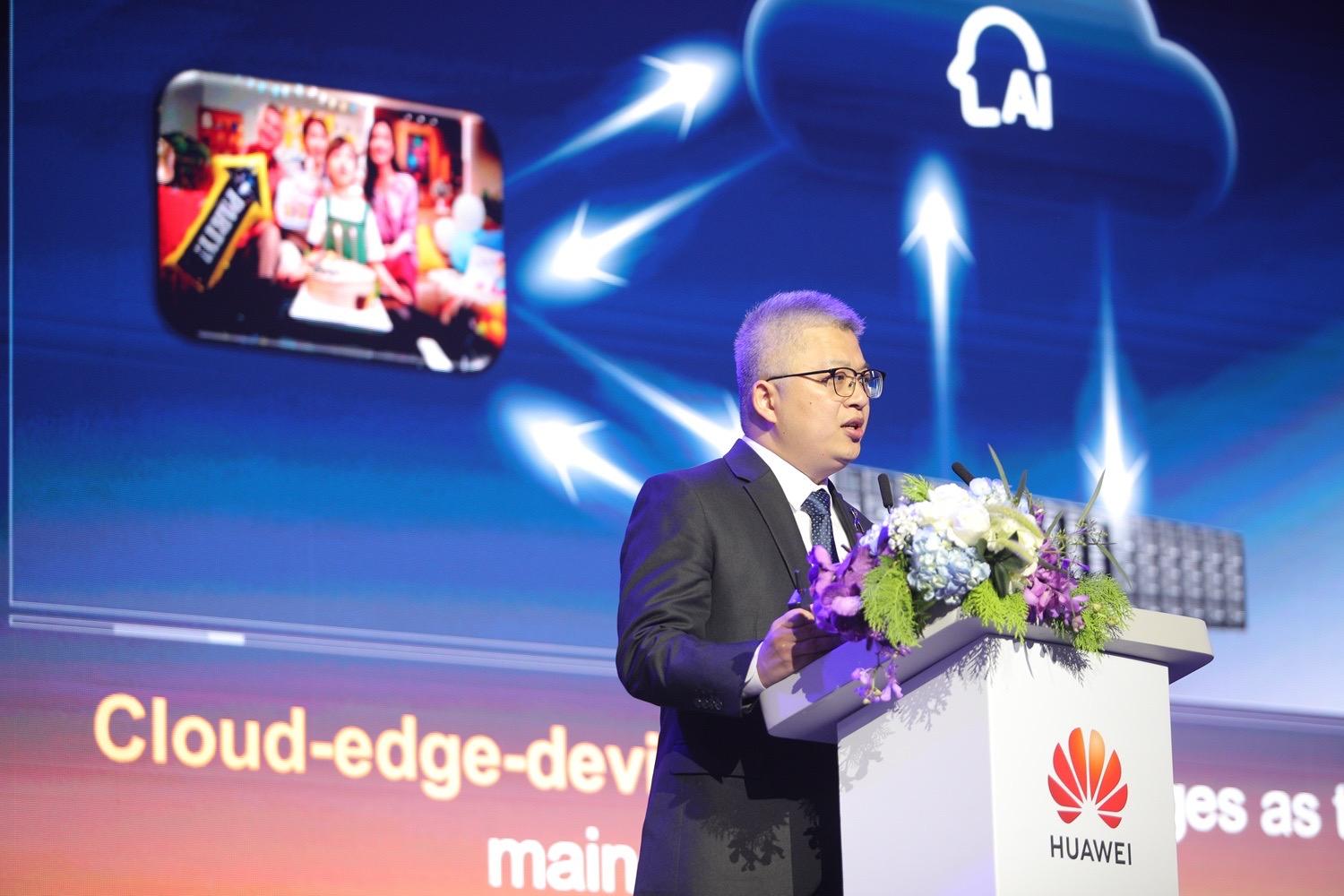
Thailand is positioning itself to become a leading artificial intelligence (AI) hub in Southeast Asia by prioritizing "trust" as a key competitive advantage in the region's intensifying AI race. Digital Economy and Society (DES) Minister Chaichanok Chidchob stated in a video address at the Huawei Thailand Digital & AI Summit 2026 that AI's true value lies not in technological sophistication, but in the benefits it delivers to people and the trust it earns. Thailand's AI strategy is built around three pillars: infrastructure, trust, and people. The country's operational data center capacity has reached approximately 350 megawatts, with a long-term pipeline exceeding 2.8 gigawatts. Nearly 40 data center and cloud projects approved by the Board of Investment are strengthening connectivity, resilience, and investor confidence, according to Mr. Chaichanok. The government is advancing AI governance, cyber-resilience, the development of Thai-language AI, and workforce development, while encouraging global technology companies to build AI capabilities locally. Austin Zheng, deputy managing director of Huawei Thailand, noted that generative AI has rapidly shifted from experimentation to commercial deployment, with nearly 40% of enterprises already using AI to improve productivity and develop new products. He emphasized that safety, privacy, and controllable AI will become essential for sustainable growth as adoption accelerates. Thailand is well-positioned to become a regional AI hub, supported by favorable government policies, nationwide 5G population coverage of 95%, and almost 1GW of new data center capacity under development, making the country a gateway to Southeast Asia. However, businesses continue to face challenges such as high computing costs, fragmented and poor-quality data, AI models not tailored to local industries, and a shortage of AI talent capable of aligning technology with business strategy. To address these issues, Mr. Zheng suggested that companies should prioritize high-value business use cases, build AI models using local industry data, and develop professionals with expertise in both AI and business operations. Huawei plans to provide full-stack AI infrastructure while training 40,000 AI developers in Thailand over the coming years. Patchara Anuntasilpa, DES permanent secretary, stated that Thailand's next phase of digital transformation will focus on trustworthy AI, where innovation must be built on security, responsibility, and public confidence. Thailand ranked second among ASEAN nations in the 2025 Government AI Readiness Index by Oxford Insights, reflecting steady progress in AI preparedness. Despite these gains, AI adoption across businesses and in everyday life remains below its potential, making stronger AI governance a national priority. The government is consolidating public sector cloud resources into a national cloud platform, reducing operating costs by nearly 30%. It is also promoting investment in a National Data Center and sovereign AI capabilities, including the development of a Thai large language model (Thai LLM), to strengthen Thailand's ambition of becoming a regional digital and AI hub. Mr. Zheng said AI adoption is entering a new phase, shifting from pilot projects to large-scale industrial deployment. As AI applications, intelligent agents, and digital services become mainstream, enterprises will require stronger foundations, including intelligent computing, trusted data, secure AI governance, and AI-ready talent. "The greatest risk in the AI era is not making the wrong move -- it is making no move at all," he said. Huawei has launched an initiative to bring together government agencies, universities, research institutions, startups, and technology companies to accelerate AI innovation and talent development. The company also reaffirmed its ambition to cultivate 100,000 AI professionals to support Thailand's goal of becoming an AI talent hub. Huawei showcased its Atlas 950 SuperPoD AI computing platform and launched a Thailand data centre alliance to strengthen collaboration in building AI-ready infrastructure.

0

Original source

Bangkok Post

原文を読む