General articles are free for 24 hours after publish.
Tens of Thousands Still Displaced by Cambodia-Thailand Border Conflict, Unexploded Ordnance Remains a Major Concern
Cambodia informed the UN Human Rights Council that tens of thousands of its citizens remain displaced over a year after a border conflict with Thailand, with unexploded ordnance posing a persistent threat to civilian safety and return.
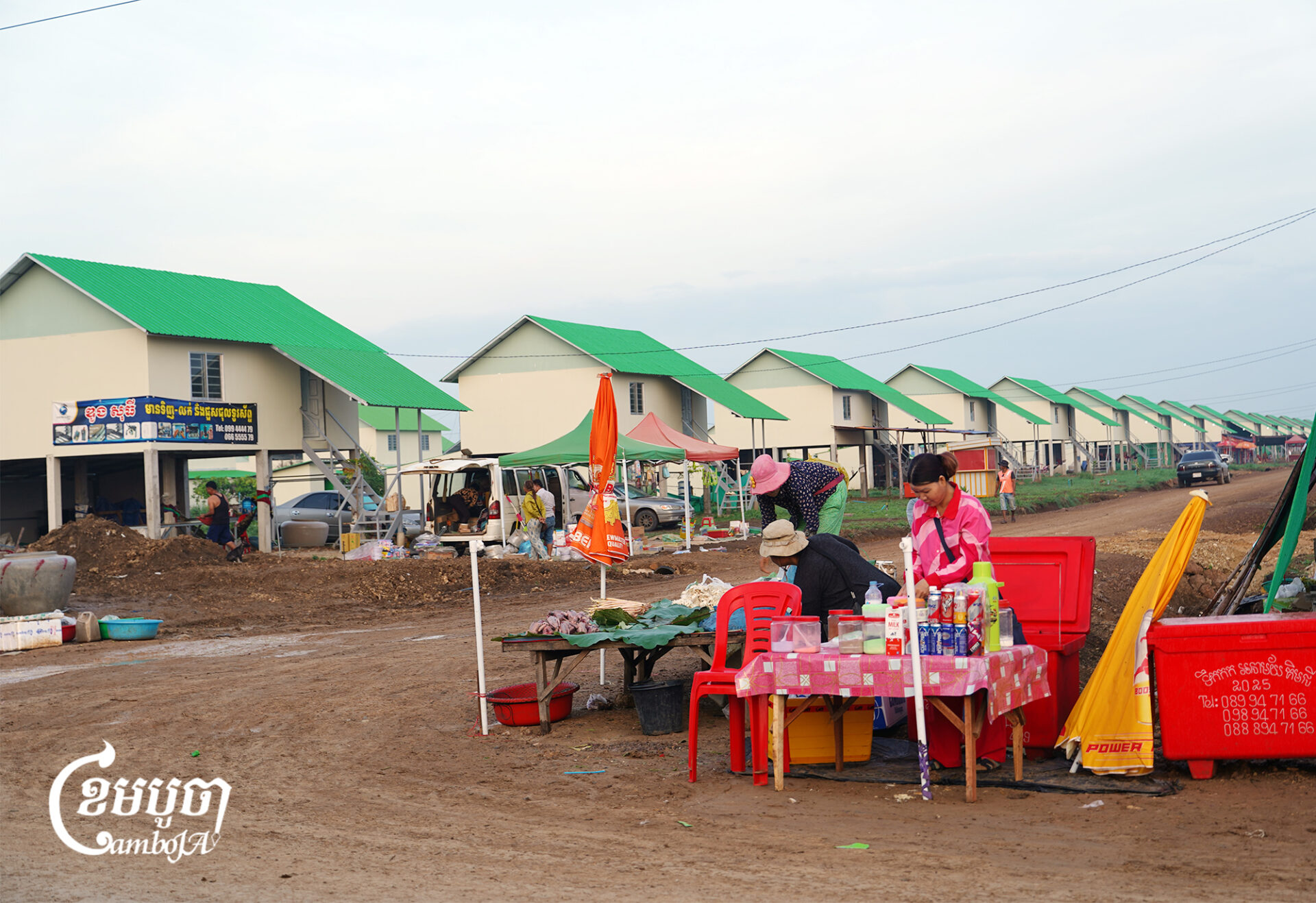
Cambodia has told the U.N. Human Rights Council that tens of thousands of its citizens remain displaced more than a year after a deadly border conflict with Thailand. Cambodia’s ambassador to the U.N. in Geneva, Ke Sovann, stated on Sept. 8 that over 20,000 Cambodians, including women and children, are still affected by the aftermath of clashes along the border. He also cited government data indicating that nearly 4,000 square km (1,500 square miles) across seven border provinces remain contaminated with unexploded ordnance, with 3,000 square km (1,160 square miles) contaminated by cluster munitions, which Phnom Penh accuses Thai forces of using during the fighting. “These new unexploded submunitions not only impede the safe return of displaced communities but also continue to endanger civilians, particularly women and children, with long-term consequences for generations to come,” Sovann told the council. He rejected what he described as “unfounded allegations” from Thailand regarding the use of landmines and which side initiated hostilities. The neighbors have traded accusations over who fired first in two rounds of clashes along their roughly 800-km shared border in 2025. The fighting killed more than 100 people, including civilians, and displaced hundreds of thousands on both sides before a ceasefire was reached in December. Sovann called for “full respect for international law, humanitarian and human rights law to protect civilians from the consequences of the conflict.” A spokesperson for Thailand’s Defense Ministry, Surasant Kongsiri, did not immediately respond to a request for comment. Cambodia has accused Thailand of occupying formerly undisputed territory along the border and displacing residents. Bangkok has stated that the border areas it holds are within its own territory or are frozen frontlines under the ceasefire, and that Cambodians living in those disputed areas were former refugees from Cambodia’s civil war who never returned. The dispute resurfaced before the two countries’ leaders met at a U.N. court in Singapore this week to resolve a separate maritime dispute, where Thailand’s foreign minister accused Cambodia of “playing the victim.” Prime Minister Hun Manet has said Cambodia remains committed to negotiations to resolve the border dispute. “As long as we have the capacity to resolve [the border conflict], the door remains open to negotiation using legal mechanisms, diplomacy and existing agreements,” he said Wednesday. Ny Sokha, president of the Cambodian rights group Adhoc, said the U.N. Human Rights Council dialogue and reporting mechanisms were unlikely to resolve the dispute, given the council cannot issue binding rulings. He suggested the government should instead appeal to the International Court of Justice (ICJ) or the International Criminal Court (ICC). However, Thailand has signed but not ratified the Rome Statute establishing the ICC, and does not accept the ICJ’s compulsory jurisdiction, meaning any case against Thailand at either court would face jurisdictional hurdles. Information Source: CamboJA News
Original source
CamboJA News