General articles are free for 24 hours after publish.
Southern Vietnam Braces for Heavy Rains and High Tides Amidst Tropical Convergence Zone
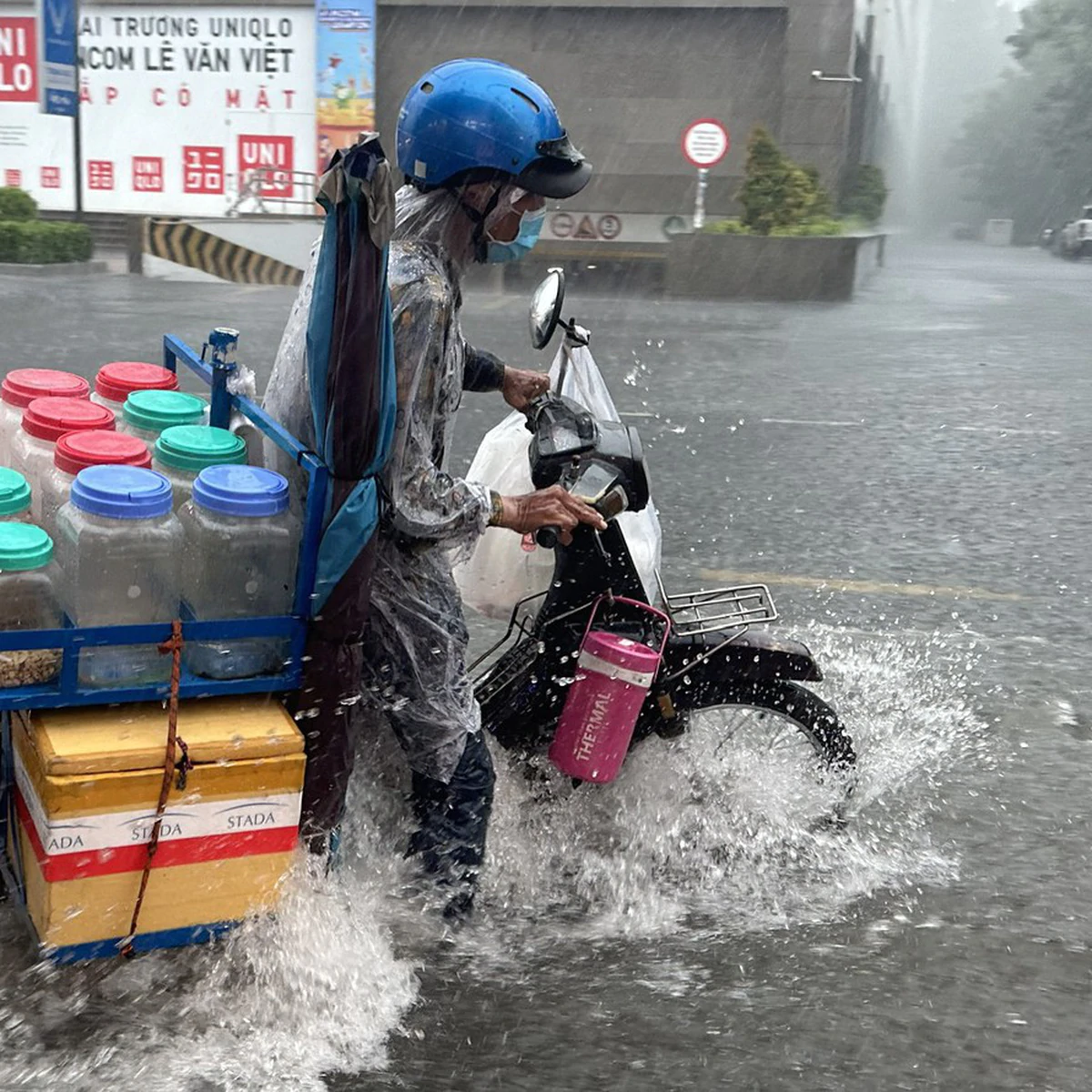
Southern Vietnam is expected to experience heavy rainfall across a wide area for the next three days due to the influence of a tropical convergence zone. Coastal areas are particularly vulnerable to flooding from the combined effects of rain and high tides.
Southern Vietnam is expected to experience heavy rainfall across a wide area for the next three days due to the influence of the southern edge of a tropical convergence zone. Meteorological authorities are urging caution against potential flooding from the combined effects of heavy rain and high tides, particularly in coastal regions. The Southern Vietnam Hydrometeorological Station announced that due to the influence of the tropical convergence zone passing through the South Central region and the East Sea, the southern skies will be cloudier, with reduced sunshine and an increase in both the frequency and amount of rain compared to previous days. Provinces such as Lam Dong, Dong Nai, Tay Ninh, Dong Thap, An Giang, and Ca Mau are highly likely to experience moderate to heavy rainfall, with some areas receiving very heavy rain. Rainfall is expected to be concentrated from noon to afternoon and into the evening. The lowest temperatures will range from 24-27 degrees Celsius, and the highest from 30-33 degrees Celsius. Southern Vietnam and Ho Chi Minh City are currently experiencing the first high tide period of the eighth lunar month. The combination of heavy rain and high tides poses a risk of flooding in low-lying areas, requiring vigilance. Furthermore, while the southern temperatures are high and cold air is diffusing, its influence is not strong. However, the interaction between these two weather phenomena is creating atmospheric instability, potentially leading to strong thunderstorms. The possibility of tornadoes and strong gusts of wind has also been noted. A tropical convergence zone is an atmospheric band near the equator where air currents from both hemispheres converge. In this zone, warm, moist air rises rapidly, condensing into dense cumulonimbus clouds that cause prolonged heavy rainfall. This zone is typically active from May to October, which is the peak typhoon season in Vietnam. (Context) Vietnam's geographical location places it directly in the path of tropical convergence zones, exposing it to meteorological hazards year-round. During the rainy season, river flooding, landslides, and, as in this case, combined high tides can exacerbate urban flooding. This highlights the urgent need for climate change adaptation measures in infrastructure development and urban planning, which are crucial for supporting Vietnam's economic growth.
Original source
The Saigon Times