Geothermal Developers Hail De-Risking Facility as Milestone for Energy Security
Politics
2026年7月8日
3
BusinessWorld Economy

Geothermal Developers Hail De-Risking Facility as Milestone for Energy Security

AI サマリー

Philippine geothermal developers welcomed the Department of Energy's P10-billion Geothermal Resource De-Risking Facility, calling it a milestone toward energy security through indigenous renewable sources. The facility aims to share exploration costs with developers, easing the path for geothermal energy utilization.

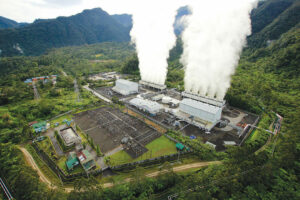
GEOTHERMAL POWER producers said a P10-billion program aimed at reducing geothermal development risks will aid the Philippines in achieving energy security by easing the way for the use of indigenous power sources. In a statement on Wednesday, the National Geothermal Association of the Philippines (NGAP) welcomed the approval of the Department of Energy’s (DoE) Philippine Geothermal Resource De-Risking Facility by the Economy and Development Council. “The approval of the geothermal de-risking facility marks a significant milestone for the Philippine geothermal sector and underscores the government’s commitment to strengthening energy security through indigenous renewable energy resources,” NGAP President Jaime Lemuel Austria said. The de-risking facility aims to support developers by sharing exploration costs. Geothermal energy, which is suitable as a source of baseload power, involves large upfront investments before a resource is confirmed as viable. The DoE tapped the Asian Development Bank for technical assistance to develop and implement the de-risking facility. The Philippines’ installed geothermal energy capacity was 1,952 megawatts (MW) in 2023, making it the third-biggest geothermal producer. As of April, 31 geothermal service contracts are being monitored by the DoE, which have a total potential capacity of 1,077.22 MW. — Sheldeen Joy Talavera

多角的分析

経済的影響

フィリピン経済は、エネルギー輸入への依存度が高く、国際的なエネルギー価格の変動に脆弱である。地熱のような国内の再生可能エネルギー源の開発は、エネルギーコストの安定化と、貿易赤字の改善に寄与する可能性がある。今回のリスク低減施設は、初期投資のハードルを下げることで、民間投資を呼び込み、長期的なエネルギー自給率向上に繋がる。これは、フィリピンの経済成長を持続可能にするための重要な一歩と言える。

投資家心理

地熱開発には多額の初期投資と長い開発期間が必要であり、資源の有無が不確実なため、投資家にとってリスクが高い。このリスク低減施設は、探査コストの一部を政府が負担することで、投資家が負うリスクを軽減する。これにより、これまで投資をためらっていた国内外の企業が、フィリピンの地熱開発に参入しやすくなる。特に、ADBの関与は、国際的な投資家への信頼感を醸成するだろう。

社会的影響

フィリピンは、ラテンアメリカやインドネシアと並び、世界有数の地熱資源国である。しかし、その潜在能力を十分に活用できていないのが現状だ。地熱発電は、化石燃料に比べて環境負荷が低く、地域社会の雇用創出にも繋がる。今回の施策は、地方における新たな産業振興の機会をもたらし、エネルギー供給の安定化を通じて、国民生活の向上に貢献することが期待される。特に、電力不足が頻繁に発生する地域では、安定した電力供給が生活の質を大きく改善させる。

市民の声

フィリピン国民にとって、エネルギー安全保障は生活の安定に直結する重要な課題である。電力料金の変動は家計を圧迫し、産業活動にも影響を与える。地熱エネルギーのような国内資源の開発は、エネルギー価格の安定化に繋がり、国民の負担軽減に寄与すると考えられる。また、再生可能エネルギーへの転換は、気候変動対策としても重要であり、将来世代への責任を果たすという観点からも、国民の支持を得やすい施策と言える。

背景・歴史的文脈

フィリピンは、環太平洋火山帯に位置するため、世界有数の地熱資源国である。1970年代から地熱開発が進められてきたが、探査・開発には多額の初期投資と長期的なリスクが伴い、民間投資を呼び込むことが課題となっていた。過去には、国際的なエネルギー価格の変動や、国内の電力不足が経済成長の足かせとなる事例も存在した。今回のリスク低減施設は、こうした歴史的背景を踏まえ、政府がリスクを一部負担することで、国内再生可能エネルギーの普及を加速させ、エネルギー安全保障を強化しようとする試みである。

原文ソース

BusinessWorld Economy

原文を読む