Typhoon Inday, Monsoon Floods Claim 24 Lives in Mindanao
Environment
2026年7月15日
4
Inquirer NewsInfo

Typhoon Inday, Monsoon Floods Claim 24 Lives in Mindanao

AI サマリー

Typhoon Inday and the southwest monsoon (habagat) have caused widespread destruction across Mindanao, with one death reported in Zamboanga Sibugay, bringing the total death toll in Mindanao to 24. Thousands of residents have been displaced, and agricultural lands have suffered significant damage.

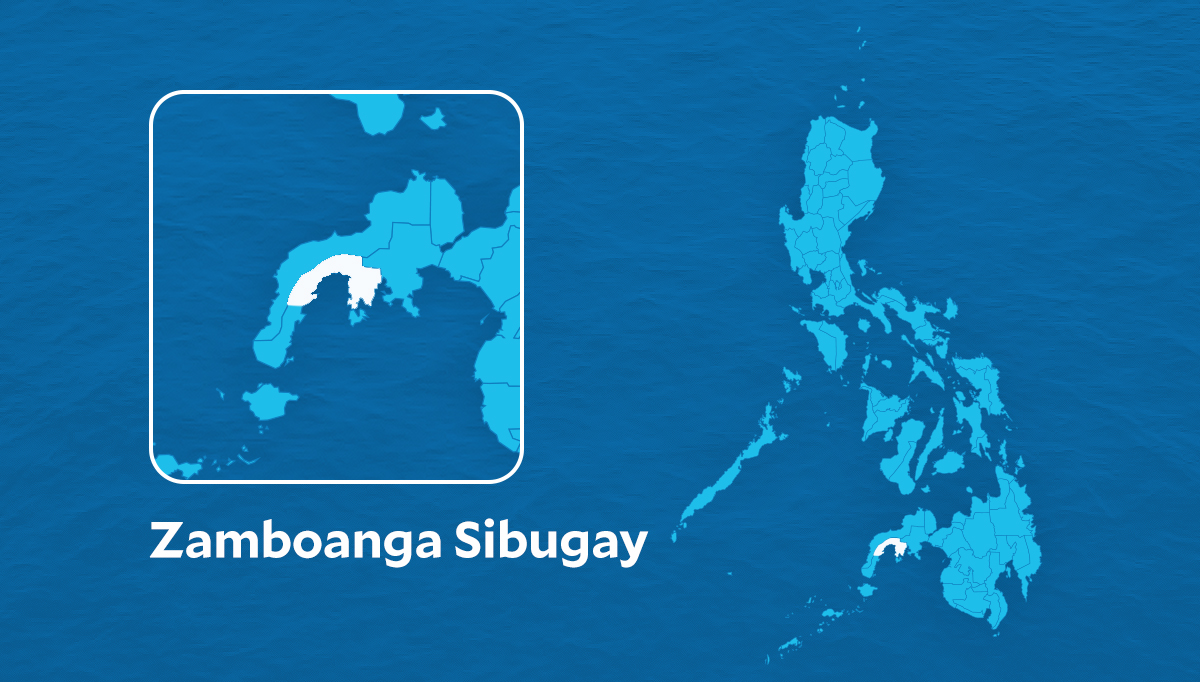
PAGADIAN CITY, ZAMBOANGA DEL SUR, Philippines — Typhoon Inday (international name: Bavi) and the southwest monsoon (“habagat”) left widespread destruction across four municipalities in Zamboanga Sibugay, where flash floods claimed one man’s life, bringing the death toll in Mindanao to 24 as of Tuesday after another body was recovered in Davao Occidental. Rodel Tubigon, chief of the Provincial Disaster Risk Reduction and Management Office, said the municipalities of Diplahan, Imelda, Payao, and Siay—all traversed by the Sibugay River—bore the brunt of the flash floods triggered by heavy rains. Thousands of residents were displaced after floodwaters swept through communities beginning July 11, submerging homes and farmlands, he said. Police confirmed that a resident of Barangay Lindang in Diplahan was swept away by strong currents around 10 a.m. on July 11. His body was recovered later that evening. In Davao Occidental, Mayor Jason John Joyce of Jose Abad Santos town said another body was found floating off the coast of Barangay Malalan. The latest recovery brought to four the number of fatalities in Jose Abad Santos after heavy rains and flash floods struck Barangay Tanuman on July 10. The heavy rains were brought by the southwest monsoon enhanced by Inday, which exited the Philippine area of responsibility at 8 p.m. on July 10. Joyce said five residents remain missing as search and retrieval operations continue. Authorities had earlier recovered 10 bodies buried by landslides in Malapatan, Sarangani; seven in Calanogas, Lanao del Sur; and two in Bukidnon. Initial reports showed that 1,823 hectares of newly planted rice fields were destroyed by the flood in Zamboanga Sibugay. Flash floods also inundated parts of the Bangsamoro region.

多角的分析

経済的影響

今回の洪水被害は、特にザンボアンガ・シブガヤ州における1,823ヘクタールもの水田の破壊という形で、農業セクターに直接的な打撃を与えています。これは地域経済の基盤を揺るがす可能性があり、食料供給への影響も懸念されます。復旧にはインフラ整備と農業支援が不可欠ですが、財政的な制約が課題となるでしょう。

投資家心理

自然災害は、フィリピン、特に脆弱な地域における投資リスクを増大させます。インフラへの被害やサプライチェーンの寸断は、事業継続性に影響を与え、投資家はより慎重な判断を迫られます。長期的な視点では、気候変動への適応策への投資が重要視される可能性があります。

社会的影響

ザンボアンガ・シブガヤ州のディプラハン、イメルダ、パヤオ、シアといった自治体では、数千人が住居や農地を失い、生活基盤が破壊されました。特に、農作物の被害は、地域住民の生計に直接的な影響を与え、食料不安を引き起こす可能性があります。また、行方不明者の捜索活動は、残された家族に深い悲しみと不安をもたらしています。

市民の声

今回の洪水で被災した地域住民、特に農家は、作物が水没し、収入源を失うという深刻な事態に直面しています。住む家を失った人々は避難所での生活を余儀なくされ、衛生状態や食料、水の確保といった基本的な生活ニーズへの対応が急務となっています。また、突然の災害は、人々の精神的な負担も大きく、長期的なケアが必要となるでしょう。

背景・歴史的文脈

フィリピンは太平洋の「火の輪」に位置し、台風やモンスーンによる豪雨、それに伴う洪水や土砂崩れが頻繁に発生する地域です。特に、南西モンスーン(ハバガット)は、雨季(6月~11月頃)にフィリピン全土に影響を与え、しばしば甚大な被害をもたらします。今回の台風インディは、このモンスーンをさらに強め、被害を拡大させたと考えられます。過去にも、2013年の台風ヨランダ(ハイエン)のように、壊滅的な被害を受けた事例があり、気候変動による異常気象の頻発化・激甚化が懸念されています。

原文ソース

Inquirer NewsInfo

原文を読む