General articles are free for 24 hours after publish.
Australian Mining Town Confronts Childhood Lead Poisoning Crisis Amidst Government Inaction
A historical Australian mining town, Broken Hill, faces a severe lead poisoning crisis affecting children. While the government announced funding for remediation, critics argue it's insufficient, particularly for Aboriginal children, and that inaction persists due to mining industry interests.
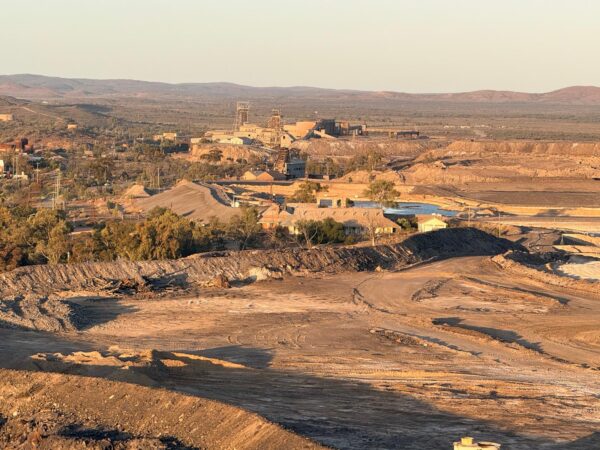
In the historical mining town of Broken Hill, Australia's outback, a severe health threat from lead contamination is disproportionately affecting Aboriginal children. Broken Hill, a town steeped in union struggles for workers' rights, has generated immense wealth from its rich mineral deposits. However, this prosperity has come at the cost of children's exposure to lead contamination. Last July, the New South Wales (NSW) state government announced AU$37.3 million (approximately US$26.74 million) to address lead contamination. This funding aims to double the number of homes remediated annually, including removing lead-based paint, installing grass to trap dust, and enhancing monitoring of emissions from existing mines and other localized dust sources. NSW Minister for Health Ryan Park described the funding as an "investment" to "help reduce the risk of harm, particularly for young children and infants." However, environmentalists criticize the government's response as insufficient, highlighting that Aboriginal children are twice as likely to have dangerous levels of lead in their blood compared to non-Aboriginal children, calling it a "national shame." According to the 2023 Broken Hill Lead Surveillance Program Annual Report, approximately 35 percent of non-Aboriginal children and a staggering 68 percent of Aboriginal children tested had blood lead levels exceeding the national public health guideline of 5 micrograms per deciliter. The World Health Organization (WHO) warns that lead exposure can cause serious damage to children's brains and central nervous systems, leading to irreversible impacts on cognitive development. Aboriginal children and families may face barriers to accessing remediation programs, healthcare, and nutritional interventions, further increasing exposure risks. Richard Weston, chief executive of the Maari Ma Health Aboriginal Corporation, stated, "No child should have to suffer lifelong health impacts because governments won’t stand up to powerful mining interests." His organization has protested the government's "inaction" and questioned the lack of a targeted strategy for Aboriginal contamination. The lead contamination issue in Broken Hill is described not merely as a matter of "better management" but as one of long-standing "neglect" or "inaction."
Original source
The Diplomat Indonesia