In carrying out reconstruction in Chin State, MSME businesses, cooperative systems, agriculture, and livestock sectors must also be developed, says Deputy Minister of Construction
In carrying out reconstruction in Chin State, MSME businesses, cooperative systems, agriculture, and livestock sectors must also be developed, said Deputy Minister U Myo Myint of the Ministry of Construction. He made the
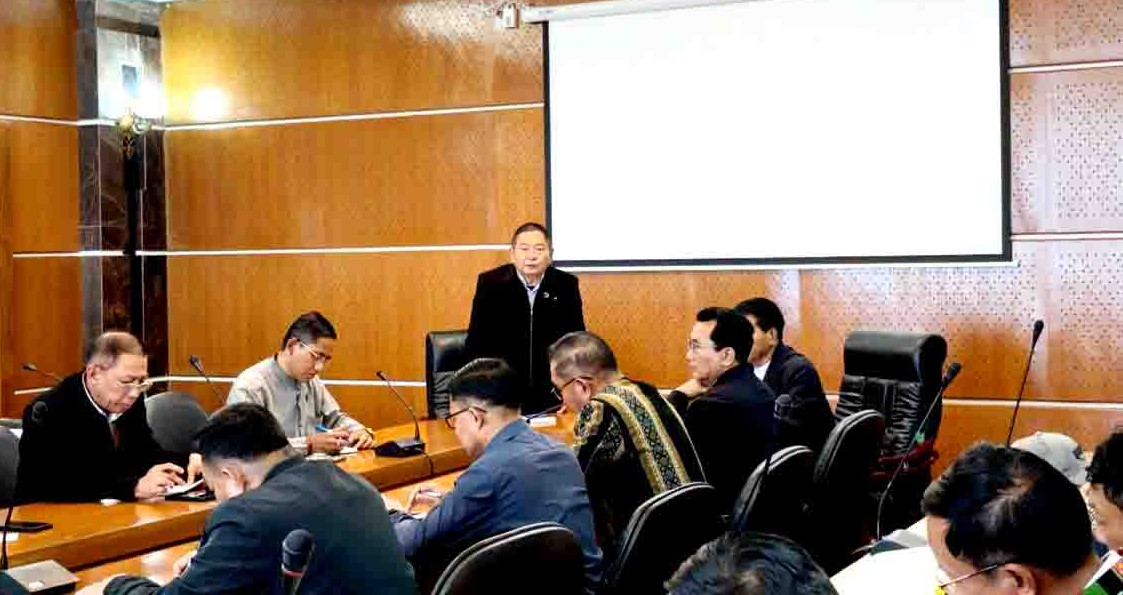
In carrying out reconstruction in Chin State, MSME businesses, cooperative systems, agriculture, and livestock sectors must also be developed, said Deputy Minister U Myo Myint of the Ministry of Construction. He made these remarks at the coordination meeting of state-level officials and stakeholders held on July 7 at the meeting hall of the Union Guesthouse in Hakha City, for the purpose of carrying out reconstruction and rebuilding activities in Chin State. The Deputy Minister stated that state-level officials need to cooperate in their respective sectors for reconstruction and rebuilding activities. He said that the main task is to carry out reconstruction and rebuilding activities in the towns of Tiddim, Ton Zang, and Falam. He added that reconstruction and rebuilding involve not only repairing/building offices, hospitals, schools, and buildings but also developing MSME businesses, cooperative systems, agriculture, and livestock sectors. He mentioned that he visited Chin State and conducted detailed field inspections down to the grassroots level. He stated that tasks to be carried out according to priority for reconstruction and rebuilding activities have been completed, and the implementation status has already been reported to the Chief Minister of the Chin State Government. To practically implement reconstruction and rebuilding activities, the Chin State Government has formed the Chin State Reconstruction and Rebuilding Committee, with the State Minister for Security and Border Affairs as Chairman and the Secretary of the Chin State Government as Secretary. He said that state-level officials need to cooperate with the Chin State Reconstruction and Rebuilding Committee to develop Tiddim, Ton Zang, and Falam towns. Subsequently, U Wai Zin Htun, Deputy Director General of the General Administration Department and Secretary of the committee, explained that the Chin State Reconstruction and Rebuilding Committee is composed of 25 members, including the Deputy Minister of the Ministry of Social Welfare, Relief and Resettlement as Chairman, the State Minister for Security and Border Affairs of the Chin State Government as Vice-Chairman, himself as Secretary, and the Secretary of the Chin State Government as Joint Secretary. He emphasized the need to complete the necessary office buildings for the return and resumption of duties by civil servants. He also highlighted the necessity of security and the rule of law for the implementation of these activities. He further explained that the committee was formed with essential departments to ensure responsibility in each sector. He added that departments not included in the committee must also participate and cooperate in the reconstruction and rebuilding activities. Following this, state-level officials attending the meeting presented the work completed by their respective departments and their future work plans for the reconstruction and rebuilding of Tiddim, Ton Zang, and Falam towns. The State Minister for Agriculture, Livestock and Irrigation of the Chin State Government provided suggestions and further discussions. In response to the presentations, the Deputy Minister stressed the need for prompt implementation of reconstruction and rebuilding activities. He also emphasized the importance of cooperating with religious leaders and community elders. He urged the responsible officials of the departments to supervise their respective sectors and to make continuous, collective efforts.
多角的分析
直接の経済ニュースではありませんが、治安と司法の信頼は地域経済の土台です。職場での暴力や未成年者保護への不安が強まると、夜間営業、観光、雇用、地域サービス業のリスク認識が高まります。
投資家目線では、個別事件よりも法執行の予見可能性が焦点です。加害者への対応が曖昧になれば、ローカルビジネスの統治リスクや従業員保護の弱さとして評価されやすくなります。
チン州で問われるのは、加害者個人だけでなく、雇用主、警察、近隣社会が被害のサインをどう扱ったかです。企業が声を上げたことで、事件は噂話ではなく、記録され検証される公共問題に変わります。
市民にとっては、自分や家族が被害に遭った時に公正な手続きへアクセスできるのかが最大の関心です。地域団体が声を上げることで、事件の風化を防ぎ、被害者側の孤立を和らげる意味があります。
背景・歴史的文脈
このニュースは、ミャンマーの地域社会で法の支配と弱者保護がどこまで機能しているかを映す事案です。暴力事件そのものに加え、女性団体や市民社会が司法手続きを求めて声を上げている点が重要です。軍政下では警察・司法への信頼が揺らぎやすく、個別事件が地域の不安や統治への不信に直結します。
原文ソース
Eleven Media