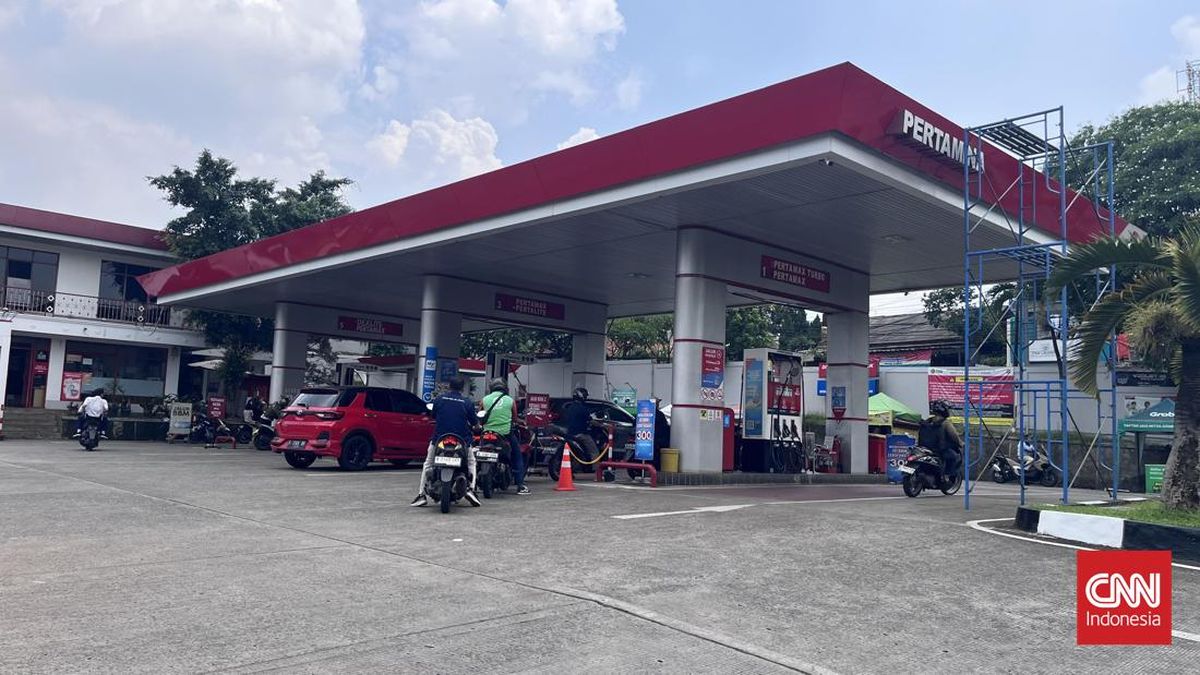
Pertamina Cuts Prices for Select Fuel Types, Impact on Regional Economy Assessed
State-owned oil and gas company PT Pertamina Patra Niaga has lowered the prices of several non-subsidized fuel types starting July 1, 2026. This adjustment is part of a regular evaluation considering global oil price dynamics, fiscal conditions, and public purchasing power.
State-owned oil and gas company PT Pertamina Patra Niaga has lowered the prices of several non-subsidized fuel types starting July 1, 2026, at 00:00 Western Indonesian Time. This price adjustment is part of a regular evaluation that refers to global oil price dynamics, fiscal conditions, and public purchasing power. Vice President of Corporate Communication for Pertamina Patra Niaga, Kitty Andhora, stated that the adjustment of non-subsidized fuel prices is carried out in accordance with applicable mechanisms and regulations, and has been coordinated with the government. "As we know, the adjustment of non-subsidized fuel prices refers to the dynamics of global oil market prices and follows applicable regulations or mechanisms. Of course, this adjustment step has been coordinated with the government," Kitty said in a written statement on Tuesday (30/6). In this adjustment, the price of Pertamax Turbo decreased from Rp20,750 per liter to Rp19,300 per liter, a reduction of Rp1,450 per liter. Meanwhile, Pertamina Dex decreased from Rp24,800 per liter to Rp21,150 per liter, a reduction of Rp3,650 per liter. The price of Dexlite also decreased from Rp23,000 per liter to Rp19,700 per liter, a reduction of Rp3,300 per liter. In addition to fuel for vehicles, the price of avtur for domestic flights at Soekarno-Hatta Airport was also reduced from Rp22,190 per liter to Rp19,190 per liter before tax, a reduction of Rp3,000 per liter. Kitty added that besides offering more competitive prices, Pertamina also ensures that product quality remains in accordance with specifications, providing optimal benefits for consumers from both vehicle performance and fuel efficiency aspects.
多角的分析
今回のプルタミナによる非補助燃料油の価格引き下げは、国際原油市場の価格動向と、インドネシア国内の財政状況および国民の購買力を反映したものである。特に、Pertamax Turbo、Pertamina Dex、Dexliteといった高付加価値燃料の価格低下は、これらの燃料を使用する車両所有者にとって直接的なコスト削減につながる。しかし、インドネシア経済全体への影響は、補助金付き燃料(例:Pertalite, Solar subsidi)の価格動向や、インフレ率、消費者の購買力回復度合いに大きく依存する。航空燃料(avtur)の引き下げは、航空業界のコスト削減に寄与し、長期的には航空券価格の安定化または低下につながる可能性もあるが、これは国際的な航空燃料市場の動向にも左右される。
プルタミナの燃料価格調整は、同社の収益性と市場シェアに直接影響を与える。非補助燃料の価格引き下げは、一時的に同社のマージンを圧迫する可能性があるが、競争力のある価格設定により、市場シェアの維持・拡大を目指す戦略と見られる。投資家にとっては、プルタミナの財務諸表における燃料販売マージン、および国際原油価格の変動に対する同社のヘッジ戦略が注目点となる。また、インドネシア政府のエネルギー政策、特に補助金政策の動向も、プルタミナの将来的な収益性を左右する重要な要因となる。
非補助燃料油の価格引き下げは、主に自家用車や商用車を所有する中所得層以上の消費者にとっては、家計負担の軽減につながる可能性がある。特に、Pertamax TurboやDexliteといった比較的高価な燃料を使用する層への恩恵が大きい。しかし、インドネシアの多くの国民は依然として補助金付き燃料に依存しており、今回の価格調整が社会全体に与える影響は限定的かもしれない。また、航空燃料の価格低下は、国内旅行のコストに影響を与え、観光産業の活性化に寄与する可能性がある。一方で、価格引き下げの恩恵が、燃料小売業者や輸送業者にどの程度還元されるかは不透明な部分もある。
今回のプルタミナによる燃料価格引き下げは、一部の消費者にとっては朗報ですが、その影響は使用する燃料の種類によって大きく異なります。Pertamax TurboやDexliteといった高価格帯の燃料を使用しているドライバーは、ガソリン代の節約を実感できるでしょう。しかし、より多くのインドネシア国民が利用している補助金付き燃料の価格は据え置かれているため、全体的な家計への影響は限定的かもしれません。航空燃料の価格低下は、旅行を計画している人々にとって、航空券価格の安定化や低下を期待させる材料となるでしょう。ただし、この恩恵が実際に消費者にどの程度伝わるかは、航空会社の価格設定戦略にも依存します。
背景・歴史的文脈
インドネシアでは、エネルギー価格、特に燃料油価格は、国民生活に直結する重要な政策課題である。政府は、市場価格の変動から国民生活を保護するため、長年にわたり燃料油に補助金を支給してきた。しかし、補助金支出は政府財政を圧迫する要因となっており、過去には補助金付き燃料と非補助燃料の価格差を利用した不正転売問題も発生している。そのため、政府は段階的に補助金付き燃料の価格を引き上げ、非補助燃料の価格を市場連動させる政策を進めてきた。今回の価格調整は、こうしたエネルギー政策の延長線上にあるものであり、国際原油価格の変動と国内経済状況を勘案した、市場原理と社会福祉のバランスを取ろうとする試みと言える。
原文ソース
CNN Indonesia