Vietnam's Japanese Encephalitis Response: Why Halting Pig Farming Isn't Enough
Experts in Vietnam highlight that simply stopping pig farming offers limited protection against Japanese Encephalitis. While pigs are a major virus spreader, other vectors like wild birds persist, making vaccination and mosquito control crucial.
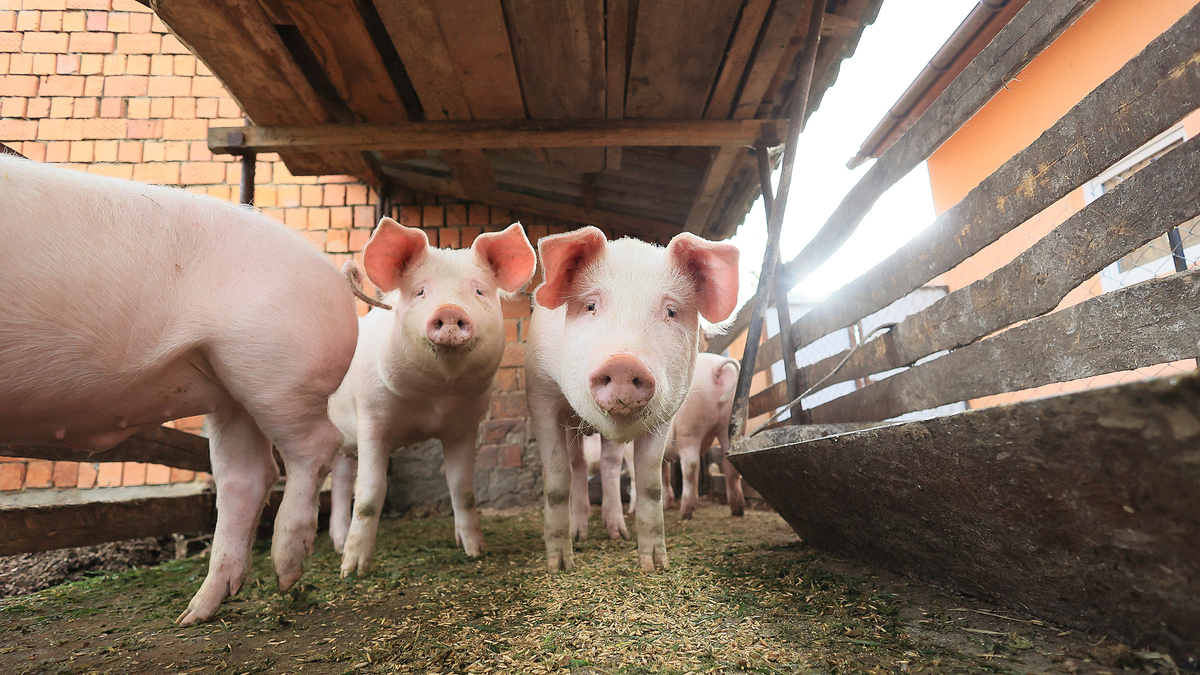
Experts in Vietnam are clarifying that stopping pig farming alone is insufficient to prevent the spread of Japanese Encephalitis (JE), a disease of concern in the country. JE is a common infectious disease in Vietnam, with its peak season typically occurring from May to October. According to the World Organisation for Animal Health (WOAH), the JE virus circulates and transmits in a loop between Culex mosquitoes, pigs, and wild birds. Pigs play a significant role as a common disseminator of the virus to humans through the bites of Culex mosquitoes, which are often found in rice paddies, farms, and near water bodies. Pigs are considered a crucial source of infection for JE, with infection rates in affected areas reaching approximately 80% of farmed pigs. After infection, the virus quickly appears in the pigs' blood and persists for 2-4 days at concentrations high enough for mosquitoes to ingest and transmit to humans. However, pigs are not the sole source of JE pathogen dissemination. Wild birds, such as herons, storks, and sparrows, as well as ducks, also act as natural reservoirs for the virus. When migratory birds carry the virus, Culex mosquitoes can feed on them and then transmit it to people. Therefore, even in areas where pigs are not raised, the risk of the pathogen remains. Both Hanoi and Ho Chi Minh City have recently reported cases. Japanese Encephalitis has a mortality rate of about 30%, and 50% of survivors suffer severe sequelae such as paralysis, speech loss, seizures, epilepsy, or mental disorders. Last May, Thanh Hoa province recorded the death of a 14-year-old patient who had not been vaccinated. Individuals are advised to prevent mosquito bites and ensure full vaccination. Checking vaccination schedules or visiting vaccination centers for medical consultation is recommended. Vietnam currently offers several types of JE vaccines for children and adults. The Jevax vaccine (Vietnam) is part of the Expanded Program on Immunization and also available for private service. After completing three primary doses, children require a booster shot every three years. The Jeev vaccine (India) requires two doses, one month apart, for individuals aged 12 months to 49 years. Booster doses may be needed during outbreaks or before traveling to endemic areas. The newer generation Imojev vaccine (Thailand) has a simpler schedule, suitable for children from 9 months old and adults. Children aged 9 months to under 18 years receive two doses one year apart, while those 18 years and older receive a single dose, with no booster required. For those finding the 3-year booster schedule for Jevax difficult to adhere to, switching to Imojev can complete the vaccination course. In addition to JE, vaccinations for common summer illnesses such as influenza, pneumococcal disease, dengue fever, and meningococcal disease are also recommended. By Dr. Nguyen Van Mac Toan, Medical Director, VNVC Vaccination System
多角的分析
ベトナムにおける日本脳炎の流行は、公衆衛生上の負担だけでなく、経済活動にも間接的な影響を与える。患者の増加は医療費の増大を招き、重症化による労働力損失は生産性に影響を及ぼす可能性がある。特に、農村部での流行は農業従事者の健康を脅かし、食料生産にも影響を与えかねない。豚の飼育停止は、畜産業者にとっては直接的な経済的損失となるが、日本脳炎の伝播経路の多様性を考慮すると、その効果は限定的である。むしろ、ワクチン接種率の向上や蚊の駆除といった公衆衛生への投資が、長期的な経済的安定に寄与すると考えられる。
日本脳炎の感染リスクは、ベトナムにおけるヘルスケアセクターへの投資機会を示唆する。ワクチン製造・販売企業、医療サービス提供機関、および関連する医薬品・医療機器メーカーは、需要の増加が見込まれる。特に、公衆衛生プログラムへの政府投資や、個人が健康予防に支出を増やす傾向は、これらの企業にとって追い風となるだろう。一方で、感染症の流行は、観光業や一部のサービス業に一時的な逆風をもたらす可能性があり、投資判断においてはリスク要因として考慮する必要がある。
日本脳炎のリスクに関する住民の懸念は、特に地方部で顕著に表れている。タイ・ドアン氏(33歳、タインホア省)のような疑問は、病気の伝播メカニズムに関する情報格差を示唆している。豚の飼育停止だけでは不十分という専門家の指摘は、地域住民の不安を解消し、より正確な公衆衛生情報を提供する必要性を浮き彫りにする。また、ワクチン接種率の地域差や、経済的理由から接種を受けられない層の存在も、社会的な課題として挙げられる。特に、子供を持つ親世代は、子供の健康を守るために、正確な情報とアクセスしやすいワクチン接種機会を求めている。
ベトナムの国民、特に地方に住む人々にとって、日本脳炎は依然として深刻な懸念事項である。豚の飼育が日本脳炎の主要な感染源であるという認識は広く共有されているが、それが唯一の経路ではないという事実は、多くの人々にとって新たな情報かもしれない。タインホア省で発生した14歳児の死亡例は、病気の恐ろしさを改めて認識させ、ワクチン接種の重要性を強調する。しかし、ワクチン接種の費用や、地域によっては接種機会へのアクセスが限られている状況は、国民の健康を守る上での課題となっている。蚊の多い夏場は、特に子供を持つ親にとって、日々の生活における大きな不安要素である。
背景・歴史的文脈
日本脳炎は、19世紀に日本で初めて確認されたウイルス性脳炎であり、その名称もそれに由来する。ベトナムでは、熱帯・亜熱帯気候が蚊の繁殖に適しているため、古くから流行が見られる。特に、豚はウイルスを増幅させる役割を担うため、畜産業の発展とともに感染リスクも変化してきた。過去には、豚の大量飼育と蚊の媒介による集団感染事例も報告されており、公衆衛生当局は常に警戒を怠らない。近年、ベトナム政府はワクチン接種プログラムの拡充に努めているが、ウイルスの自然界での循環や、新たな感染経路の可能性といった要因が、依然として課題となっている。
原文ソース
VnExpress