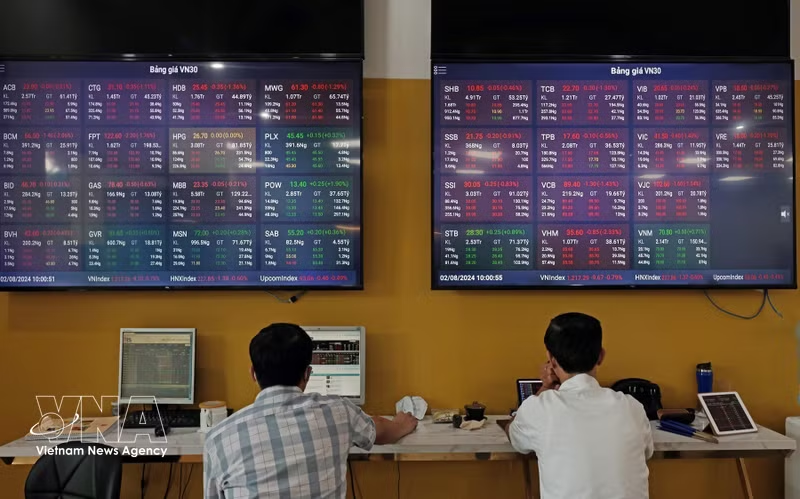
Vietnam Eyes $205.6 Billion Stock Market Funding for 2026-2030
Vietnam's State Securities Commission aims to raise approximately $205.6 billion through its stock market between 2026 and 2030, a strategy to bolster economic growth amidst ongoing external challenges.
This article requires PRO
This article is outside the free access window or is a special report. PRO unlocks it and the full archive.
Related articles
- Vietnamese E-commerce Sellers Flee Platforms Amid Rising Fees, Drive Customers to Own Channels
Rising commission fees on Vietnamese e-commerce platforms are prompting many sellers to steer customers towards their own channels via discounts and QR codes. However, consumers still value the convenience and buyer protection offered by these platforms.
- Panama Views Vietnam as Key Partner in Southeast Asia
Panamanian President Cortizo views Vietnam as a key partner in Southeast Asia, expressing intent to strengthen bilateral economic, trade, and investment cooperation. Enhancing logistics, supply chains, and market access are key areas of focus.
- "Zero Dong" Market Supports Khmer Ethnic Minority During Festival
A "Zero Dong" (free) market was organized in Soc Trang Province, Vietnam, to support impoverished Khmer ethnic minority residents ahead of their traditional "Sene Dolta" festival. The initiative aimed to foster community solidarity through the distribution of essential goods.
- Vietnam, Cambodia Strengthen Economic Ties for New Growth Momentum
Vietnamese Prime Minister Le Minh Hung's official visit to Cambodia is expected to deepen bilateral relations from "political trust" to "development momentum," fostering strengthened cooperation towards a $20 billion trade target. This marks a significant step towards regional economic integration and stability.