Vietnam Leverages Cultural Heritage for Soft Power Growth
Culture
2026年7月6日
5
VietnamPlus English

Vietnam Leverages Cultural Heritage for Soft Power Growth

AI サマリー

Vietnam is aiming to boost its soft power by protecting and promoting cultural heritage, seeking to make it a strategic engine for sustainable national development. The country is showcasing its appeal through international exchanges and events in diverse fields, including traditional culture, arts, film, and esports.

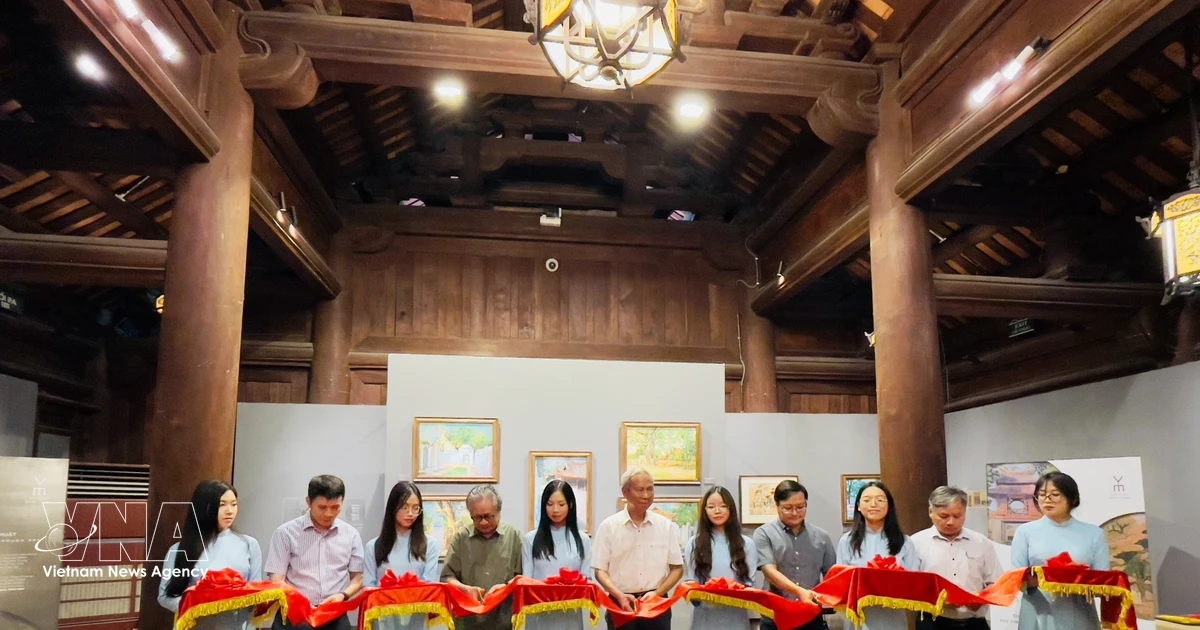
Within the heritage space of the Temple of Literature, “A Day of Strolling” programme offered children an unforgettable memory filled with traditional folk games, crafts, and cultural experiences alongside family and friends. As part of events marking the 950th anniversary of the Imperial Academy (1076-2026), Vietnam’s first national university, the “Garden of Light” programme offers visitors a distinctive cultural experience at the Temple of Literature. The artwork themed “Vinh quy bai to” (Return Home in Glory), currently displayed at the Thai Hoc House of the Temple of Literature in Hanoi, is a unique, one-of-a-kind creation. The spectacular carving illustrates the scene of a traditional procession whereby a man who has passed a royal exam to be eligible to work in the court, returns home to pay tribute to his ancestors to the tumultuous welcome of the whole village. Taken together, the simultaneous push on copyright enforcement, heritage protection and heritage economy shows that Vietnam is delivering on the Resolution 80-NQ/TW’s core goals. By unlocking cultural soft power, policymakers aim to make culture a strategic engine of rapid, sustainable and identity-rich national development in a new era. As esports continues to gain recognition as a key component of the digital sports economy, Vietnam's participation in EWC 2026 reflects the country's growing presence on the global esports stage while showcasing a dynamic, innovative Vietnam ready to compete at the highest international level. The final leg of Viet Culture in Motion in Belgium on July 3-5 presented a rich and diverse portrait of Vietnam. All films were subtitled in French and Dutch, making stories from Vietnam and Vietnamese communities worldwide accessible to audiences in Brussels. The Vietnamese tea cultural space at Vietnam Expo 2026 is designed not only to introduce tea products but also to build connections with distributors, business partners and tea enthusiasts in Thailand, supporting the expansion of Vietnamese tea into international markets. Over four editions, Da Nang Asian Film Festival (DANAFF) has steadily established itself as a bridge connecting Vietnamese and Asian cinema with international audiences while creating new opportunities for Vietnam's film industry to integrate more deeply into the global market. Held in the heart of Hanoi's pedestrian zone, the "Crescendo – Symphony of Connection" concert blended classical music with the lively atmosphere of the capital, bringing orchestral performances beyond the traditional concert hall and closer to the public. Standing on the historic land of Quang Tri, alongside the Ben Hai River, the Quang Tri Ancient Citadel and the national martyrs’ cemeteries, people are reminded of the true value of peace and the sacrifices made for national independence, freedom and reunification. One of the exhibition's highlights is the "Our Sound" installation, where visitors become part of the artwork itself. As multiple participants interact simultaneously, sound and light merge into a shared composition, conveying messages of connection, sharing and collective responsibility for building sustainable communities in harmony with nature. The programme retraced the city's half-century journey of construction and development while conveying the affection and pride of people across the country for Vietnam's economic powerhouse. Unlike conventional fireworks that are launched directly into the sky, water fireworks are fired into the water first. After absorbing water, they burst upward from the surface, creating striking light effects against the backdrop of the Saigon River. Chinese entertainment stars are increasingly choosing outfits by Vietnamese designers for red carpet events, concerts, magazine shoots and international appearances, propelling Vietnamese fashion into the spotlight across Chinese social media and strengthening its presence in one of Asia's largest fashion markets. The “Vietnam Day in Skopje 2026” event has been held in the heart of Skopje, bringing Vietnam’s cultural heritage and contemporary image closer to the people of North Macedonia and international visitors. The event opened a series of commemorative activities marking 50 years since Saigon – Gia Dinh was officially named after President Ho Chi Minh (July 2, 1976–2026). Dr. Ngo Phuong Lan, Chairwoman of the Vietnam Cinema Promotion and Development Association and Director of DANAFF IV, said the Politburo's Resolution No. 57-NQ/TW on breakthroughs in science, technology, innovation, and national digital transformation, and Resolution No. 80-NQ/TW on the development of Vietnamese culture have created a solid foundation for advancing cultural industries and a creative economic sector, and strengthening IP protection, opening up new opportunities for Vietnam's film sector. Titled "The Last Bullet," the film follows the remarkable journey of the Olympic shooting champion, highlighting the perseverance, discipline, coach-athlete bond and personal sacrifices behind his historic achievement. The photo exhibition featured vivid images of Vietnam's majestic natural scenery, rich cultural heritage, distinctive customs and centuries-old traditional craft villages. The festival conveyed a meaningful message on safeguarding and promoting ethnic cultural identities to both domestic and international audiences. It helped raise public awareness and community responsibility while creating new momentum for tourism development, cultural industries and traditional crafts closely associated with the lives of Cham people in the new era. Jointly organised by the Vietnam Fine Arts Association, the Guangxi Arts University of China and the Lijiang School of Painting of Guangxi, the exhibition features more than 90 selected paintings which cover a wide range of subjects, including landscapes, flowers, birds and portraits. Held from June 26 to 28 around West Lake, the festival featured a vibrant programme of cultural performances, exhibitions, hands-on experiences and tourism promotion activities, helping showcase Hanoi as a safe, friendly and culturally rich destination. After three editions under the theme "Bridging Asia", DANAFF IV has adopted the new theme "Bridging Asia to the World", reflecting its ambition to connect Vietnamese cinema more closely with regional and global film industries. Copyright, VietnamPlus, Vietnam News Agency (VNA) Editor-in-chief, Mr. Tran Tien Duan.

多角的分析

経済的影響

ベトナム政府は、文化を単なる芸術や遺産の保護対象としてだけでなく、経済成長の新たな推進力として位置づけている。決議80-NQ/TWは、文化産業を「戦略的エンジン」と明記し、GDPへの貢献度を高めることを目指している。これには、映画、デザイン、eスポーツなどのクリエイティブ産業への投資促進、著作権保護の強化、文化遺産を活用した観光開発などが含まれる。特に、文化遺産を観光資源として活用する試みは、地方経済の活性化や雇用創出に繋がりうる。しかし、文化産業の持続的な成長には、質の高い人材育成、国際市場へのアクセス改善、そしてデジタル化への対応が不可欠であり、これらが今後の経済的成果を左右する要因となるだろう。

投資家心理

ベトナムの文化振興策は、国内外の投資家にとって新たな投資機会を示唆している。特に、IP保護の強化やクリエイティブ産業への支援は、コンテンツ制作、映画、ゲームなどの分野への投資を促進する可能性がある。また、文化遺産を核とした観光開発は、ホスピタリティ産業、不動産、インフラ開発への投資を呼び込むだろう。eスポーツの成長も、関連するテクノロジー、プラットフォーム、イベント運営への投資を刺激する。しかし、投資家は、文化産業特有の市場リスク、規制の変更、そして文化的な受容性といった要素を慎重に評価する必要がある。政府の強力な後押しは追い風となるが、市場の成熟度と収益性を見極めることが重要である。

社会的影響

文化遺産の振興は、ベトナム国民のアイデンティティと愛国心の強化に貢献する。文廟での伝統文化体験プログラムは、特に若い世代が自国の歴史や文化に触れる機会を提供し、世代間の価値観の継承を促す。また、「栄光の帰還」のような芸術作品は、伝統的な価値観や社会規範を再認識させる。一方で、文化産業の発展は、都市部と地方部、あるいは異なる民族グループ間での文化的な格差を生む可能性も指摘される。文化遺産の商業化が進む中で、その真正性や地域社会への利益還元がどのように確保されるかが、公共の課題として問われるだろう。例えば、少数民族の文化遺産が観光資源として活用される際に、その文化が商業主義に歪められることなく、地元コミュニティの生活向上に真に貢献する仕組み作りが求められる。

市民の声

ベトナム国民にとって、文化遺産へのアクセス向上は、生活の質を高める機会となる。文廟での「光の庭」プログラムは、家族連れに質の高いレクリエーションと教育の機会を提供し、子供たちの成長に良い影響を与えるだろう。また、ベトナム映画産業の国際化や、eスポーツへの参加は、若者たちのエンターテイメントやキャリアの選択肢を広げる。しかし、文化イベントの多くが都市部に集中する傾向があり、地方の住民が同様の機会を得るためには、インフラ整備や情報アクセスの改善が必要とされる。さらに、文化遺産の保護と開発のバランスが、地域住民の生活環境や伝統的な暮らしにどのような影響を与えるのか、その影響を注視する必要がある。

背景・歴史的文脈

ベトナムは、長年にわたる戦争と植民地支配を経て、国家としてのアイデンティティを再構築する過程で、文化遺産の保護と振興を重視してきた。1986年のドイモイ(刷新)政策以降、経済成長と並行して、文化の多様性や伝統の継承が国家発展の重要な要素として認識されるようになった。特に、2000年代以降、ユネスコ世界遺産への登録などを通じて、ベトナムの豊かな文化遺産が国際的に注目されるようになり、政府はこれをソフトパワー強化、ひいては観光産業やクリエイティブ産業の発展に結びつけようとしている。決議80-NQ/TWのような政策文書は、文化を経済成長の「戦略的エンジン」と位置づけ、具体的な行動計画を示している。

原文ソース

VietnamPlus English

原文を読む