Hanoi's Summer Specialty: The 'Red Jellyfish' With Coastal Roots and Artisanal Charm
Culture
2026年7月17日
3
Vietnam Insider

Hanoi's Summer Specialty: The 'Red Jellyfish' With Coastal Roots and Artisanal Charm

AI サマリー

Hanoi's iconic summer delicacy, 'red jellyfish,' actually originates from the coastal provinces of Hai Phong and Nam Dinh. Its signature ruby-red color and crisp texture are achieved through a traditional soaking process using mangrove bark. It's a refined dish, typically served with mature coconut and turmeric-grilled tofu.

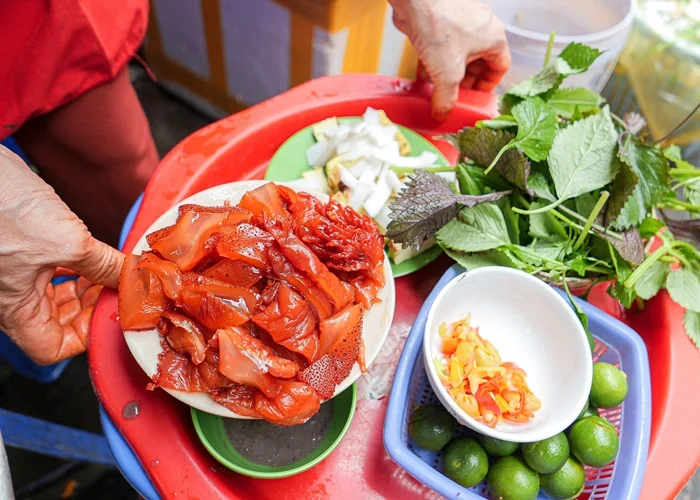
Hanoi's iconic summer delicacy, 'red jellyfish,' is a dish that captivates many food enthusiasts with its vibrant color and unique texture. However, this culinary specialty is not caught or processed in the capital itself, with its origins tracing back to the coastal provinces of Hai Phong and Nam Dinh. The secret behind the 'red jellyfish' lies in its traditional preparation method after harvesting. The jellyfish undergo a soaking process in water infused with the bark of mangrove trees (su and vet). This process allows the tannins from the bark to penetrate the jellyfish flesh, acting as a natural preservative while imparting a characteristic crunch and staining the meat a vibrant, ruby-red color. This distinct hue sets it apart from the common white jellyfish varieties found in Central Vietnam. Many mistakenly believe the red color is natural, when in fact, it is the result of this careful artisanal preparation. Notably, this dish is strictly seasonal, appearing only during the summer months before disappearing until the following year. A proper platter of red jellyfish is not just about the star ingredient; the accompanying components are vital to its flavor profile. Mature coconut, unlike young coconut, offers a crunchy and nutty texture, providing a delightful contrast to the chilled, jelly-like consistency of the jellyfish. This is complemented by turmeric-grilled tofu, brushed with turmeric for a golden hue and grilled over charcoal until fragrant and crisp on the outside while remaining firm within. Completing the experience is a vibrant mix of perilla and marjoram leaves, paired with a bold fermented shrimp paste whipped to perfection with lime juice, sugar, and chili. While deceptively simple, preparing the dish requires precision. Before serving, the jellyfish is rinsed and soaked in lime juice for 15 minutes to ensure cleanliness and enhance its vibrant color. The coconut and tofu are sliced into strips to match the size of the jellyfish, making them easy to wrap with the aromatic herbs. To enjoy it properly, one typically places a perilla and marjoram leaf at the base, stacks a piece of red jellyfish, turmeric tofu, and a slice of coconut on top, rolls it up, and dips it generously into the whipped shrimp paste. The allure of the dish lies in its complex, layered textures: the cool, crisp, slightly chewy jellyfish; the nutty crunch of the coconut; and the earthy aroma of the grilled tofu, all unified by the bold, savory punch of the shrimp paste. Red jellyfish is not intended to be a heavy meal; rather, it is a quintessential summer treat. Its refreshing nature and unique flavor profile make it a beloved choice for Hanoians looking to beat the heat on the year's hottest days.

多角的分析

経済的影響

このニュースは、ベトナムの地方経済と都市部の食文化の結びつきを示唆している。ハイフォンやナムディンといった沿岸部の漁業・加工業が、ハノイの高級食材市場を支えている構造がうかがえる。地域特産品のブランド化や、都市部への流通網の重要性が経済的観点から浮き彫りになる。季節限定という希少性が、価格設定や収益性に影響を与える可能性も考えられる。

投資家心理

投資家にとっては、ベトナムの食文化における地域間のサプライチェーンと、伝統的な加工技術への関心が高まるだろう。特に、季節性や希少性を活かした高級食材ビジネスへの投資機会が見いだせるかもしれない。ただし、加工技術の標準化や衛生管理、安定供給といったリスク管理が重要となる。 foreigners の食の好みに合わせたマーケティング戦略も必要とされる。

社会的影響

ハノイ市民にとって、赤クラゲは単なる夏の味覚以上の意味を持つ。それは、故郷や地方との繋がり、そして伝統的な食文化の継承を象徴する存在だ。この料理を通じて、都市住民は地方の自然や職人技に思いを馳せ、季節の移ろいを感じることができる。一方で、地方の生産者にとっては、都市部の需要が生活の糧となり、伝統技術を守り続けるモチベーションとなっている。これは、ベトナム社会における都市と地方の相互依存関係の一例と言える。

市民の声

ハノイ市民は、夏の暑さをしのぐための涼やかな一品として赤クラゲを愛している。しかし、その独特の赤色が自然なものではなく、 mangrove の樹皮を使った伝統的な職人技によるものであることを知ると、料理への理解が深まるだろう。成熟ココナッツやターメリック豆腐、そして香りの良いハーブと共に、発酵エビペーストでいただくという、洗練された食べ方を知ることで、より一層この料理を堪能できる。これは、単なる食べ物ではなく、ハノイの夏の風物詩として、人々の記憶に刻まれる体験となっている。

背景・歴史的文脈

ベトナムにおける食文化は、地域ごとに多様な発展を遂げてきた。特に、ハノイのような内陸部の都市では、沿岸部や山岳部から運ばれてくる食材が食卓を豊かにしてきた歴史がある。赤クラゲの例は、このような地域間の食の交流が、単なる食材の移動に留まらず、伝統的な加工技術や食習慣を都市部に広める役割を果たしてきたことを示している。1986年のドイモイ政策以降の経済自由化は、こうした地域間の経済的結びつきをさらに強化し、地方の特産品が全国的に知られる機会を増やした。この赤クラゲも、そうした経済発展の流れの中で、その価値と知名度を高めてきたと考えられる。

原文ソース

Vietnam Insider

原文を読む