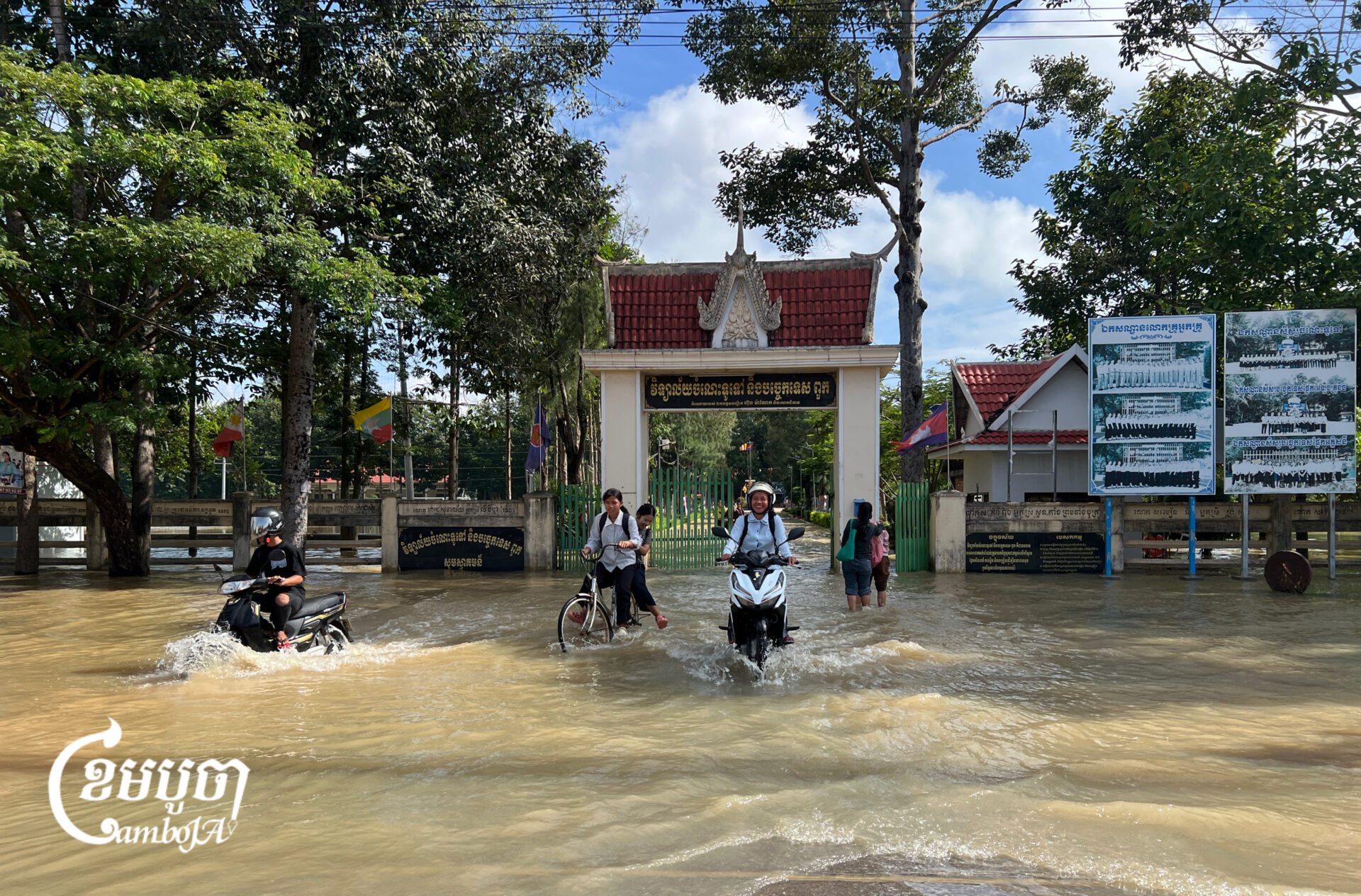
El Niño Threatens 1.3 Million Cambodian Children with Climate Impacts
With future intensification of El Niño predicted, approximately 1.3 million children in Cambodia face the risk of climate-related impacts. Extreme weather events like droughts and floods could severely threaten children's access to safe water, food, and education.
Read up to 3 eligible full articles per Japan day (JST) for free
Create a free account to open up to 3 eligible full articles per Japan calendar day (JST). Headlines and summaries remain available across ASEAN 7.
Related articles
- Cambodia Strengthens Disaster Response Amidst 9-Month Impact Report on Climate and Conflict
Cambodia has faced significant impacts from climate change-induced extreme weather and border conflicts over the past nine months. Deputy Prime Minister Kun Kim led a disaster management committee meeting, emphasizing enhanced future measures and increased national resilience.
- Cambodia Holds National Disaster Management Day, Discusses Mitigation and Future Challenges
Cambodia observed National Disaster Management Day on October 13, presided over by Deputy Prime Minister Kun Kim. The event included a review of disaster management activities over the past nine months and discussions on future strategies for 2026, highlighting efforts to enhance preparedness against frequent natural disasters.
- Cambodia Joins International Congress on Water Management and Climate Resilience in Agriculture
Cambodia participated in an international congress on water resources in France, discussing climate change adaptation and agricultural irrigation technologies. Insights gained are expected to contribute to domestic water resource management and improved livelihoods for farmers.
- Typhoon 'Koguma' Indirectly Causes Thunderstorms in Several Cambodian Provinces
While Typhoon 'Koguma' will not directly impact Cambodia, it is expected to influence the country's southwest monsoon, potentially causing thunderstorms and gusty winds from October 13th to 15th. Areas including plains, plateaus, and coastal regions require caution.