General articles are free for 24 hours after publish.
Vietnam Faces Growing Issue of Expired Apartment Building Lifespans
Vietnam is facing a growing problem concerning ownership and redevelopment of aging apartment buildings approaching the end of their lifespans. Residents are anxious about the future, while the government is pressured to consider solutions.
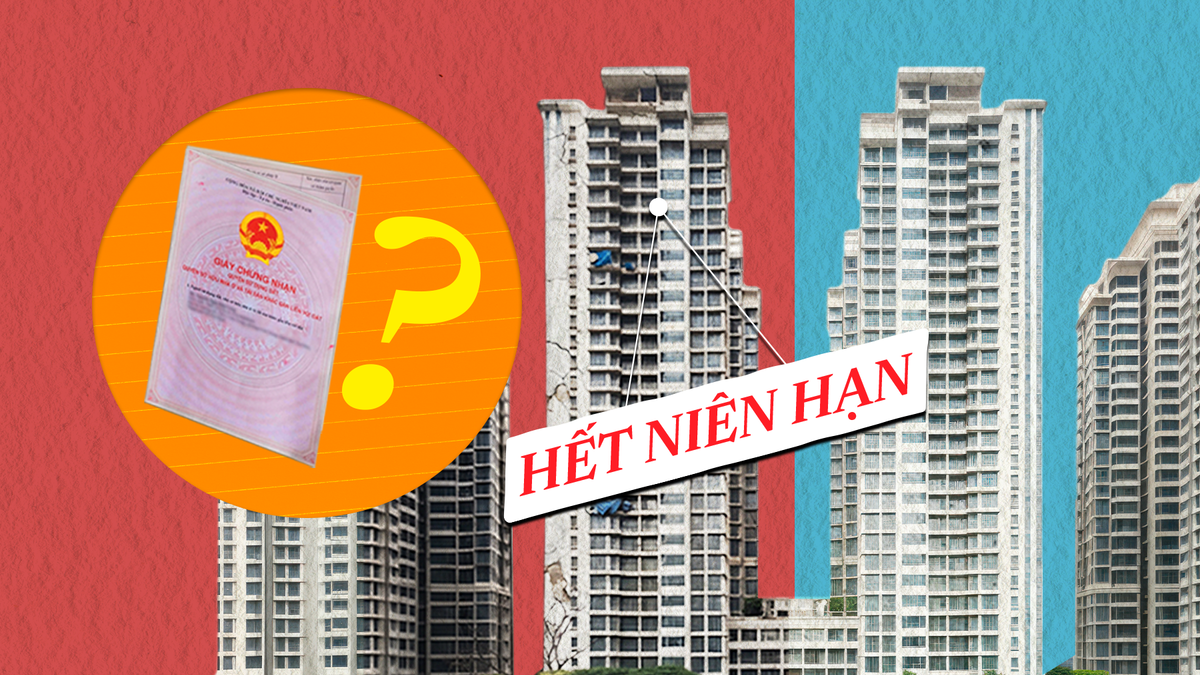
A growing issue concerning ownership and redevelopment of apartment buildings that are nearing the end of their legal lifespans (typically 50 years) is gradually surfacing in Vietnam. Many of these buildings were constructed during the initial urban development boom and are now showing signs of age. Beyond concerns about structural safety as their lifespans approach, the legal status of ownership also becomes complicated. Currently, numerous residents harbor vague anxieties about how long they can safely reside in their apartments and about compensation or relocation arrangements should the buildings be demolished and rebuilt. While urban development in Vietnam's one-party system is often state-led, the issue of expired apartment building lifespans directly impacts the rights and lives of individual residents, necessitating careful handling by the government. Past cases have shown that delays in redevelopment and difficulties in reaching consensus with residents can lead to prolonged problems. This issue highlights the challenges of rapid urbanization accompanying economic growth, and the lag in legal frameworks and infrastructure development. It is believed that a significant number of buildings in similar conditions exist, particularly in major cities like Hanoi and Ho Chi Minh City, demanding prompt solutions.
Original source
VnExpress