Patani Conflict: Facing the Hard Truths of Thailand's Deep South Unrest
Security
2026年8月6日
7
Khaosod English
Relations
🇹🇭Thailand🇲🇾Malaysia

General articles are free for 24 hours after publish.

Patani Conflict: Facing the Hard Truths of Thailand's Deep South Unrest

Share
AI Summary

Amidst rising casualties in Thailand's deep south, this report delves into the root causes of the Patani conflict and the 'hard truths' Thai society must confront. It highlights the yearning for an independent Patani state, resistance to Thai state assimilation, and distrust towards security forces.

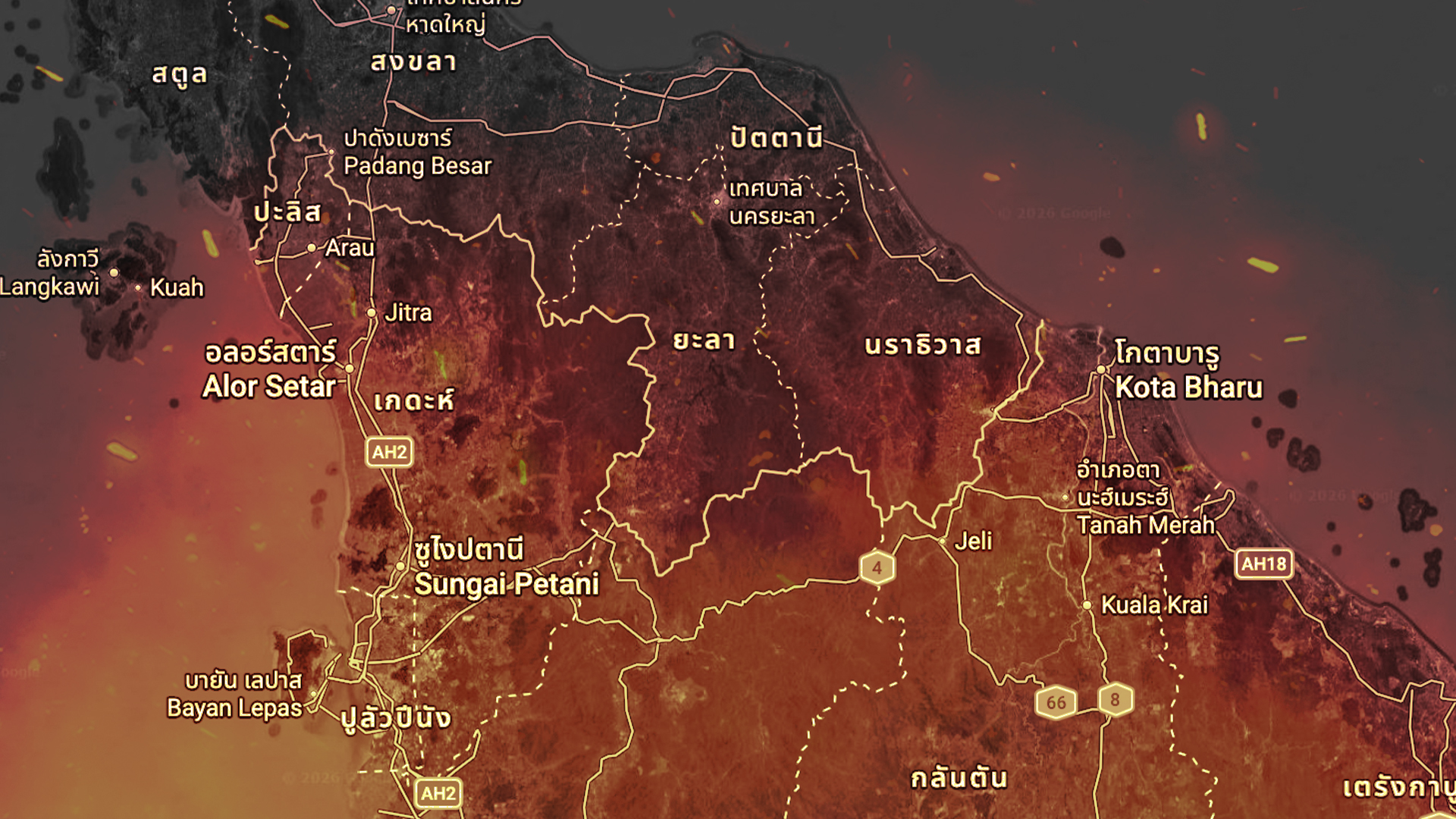
Seven security officers and two suspected insurgents have been killed recently in the deep south of Thailand, highlighting the ongoing violence in the Patani conflict. This situation prompts two main reactions within Thai society: one is to dismiss the unrest as the actions of a small group of 'southern goons' and security force retaliation, moving on to other news. The second, more critical, reaction is to confront the uncomfortable reality of the situation. At the heart of the conflict are Thai-Malay Muslims who do not identify as Thai and desire an independent Patani homeland, spelling it 'Patani' rather than the state-preferred 'Pattani.' For them, using force to achieve independence is seen as legitimate. It is crucial to acknowledge the existence of separatists or 'freedom fighters' seeking an independent Patani state. The actual size and popularity of the separatist movement among the Thai-Malay population remain unknown, as official surveys are impossible under the Thai constitution, which deems secession illegal. The Tak Bai massacre in October 2004, where 85 Thai-Malay Muslim protesters died, serves as a stark reminder of the deep-seated distrust. A local police chief at the time suggested that locally elected governors in the deep south would signal the beginning of secession, underscoring the difficulty of meaningful decentralization due to profound mistrust. The linguistic divide, with Malay as the mother tongue of Thai-Malay Muslims and Thai as the official language, contributes to their sense of alienation. Appointed governors from Bangkok are often not of Malay Muslim origin. Furthermore, the deep south's status as one of Thailand's poorest regions exacerbates livelihood disparities, especially when compared to neighboring Malaysia. Distrust extends to Thai security forces, with some officials suspecting that elements within the apparatus may benefit from a prolonged crisis through increased budgets and salaries. The region operates under overlapping security laws—Martial Law (1914), the Emergency Decree (2005), and the Internal Security Act (2008)—allowing prolonged detention without formal charges. This raises questions about normalcy under such extended emergency rule. Regarding negotiations with the BRN (Barisan Revolusi Nasional), doubts exist about whether the Thai state is genuinely engaging with legitimate representatives. The BRN might not be the sole or active leader on the ground. Malaysia, the mediator, also faces suspicion from non-Malay Muslims in Thailand, who worry about its potential bias towards an independent Patani due to ethnic and religious ties. Following the July 22, 2026, attack at the Bukeh Sami checkpoint in Narathiwat, which killed five rangers and injured six civilians, the Army Chief of Staff vowed to pursue any nation harboring perpetrators, a clear reference to Malaysia. These factors collectively explain the limited progress, continued killings, and lack of a clear resolution. According to Deep South Watch, approximately 7,800 people have died in separatist-related violence since January 2004, with over 23,000 incidents and 14,000 injuries recorded. The conflict is likely to persist as long as the majority of Thais remain in denial about the true nature of the challenges faced. Information Source: Khaosod English

0

Original source

Khaosod English

原文を読む