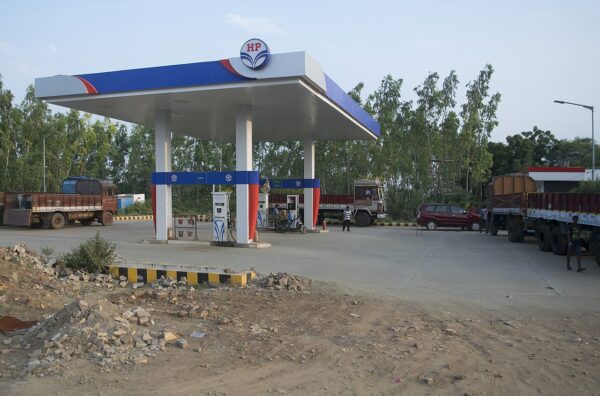
India's E20 Fuel: The Trade-offs of an Uneven Energy Transition
India's E20 (20% ethanol blended gasoline) fuel program aims to boost energy security and farm incomes but faces consumer skepticism over mileage and vehicle compatibility. The policy highlights complex trade-offs at the intersection of energy security, agricultural policy, climate goals, and household economics.
India's E20 fuel program, which blends 20 percent ethanol with gasoline, is a significant milestone in the country's energy landscape. While policymakers view it as a crucial step in the energy transition, aiming to bolster energy security and boost farm incomes, the program has sparked public debate due to consumer concerns about mileage and vehicle compatibility. Now available nationwide years ahead of schedule, E20 fuel is seen by the government as a triumph. However, many consumers remain skeptical. Complaints about declining fuel efficiency, uncertainty over vehicle compatibility, and the absence of any visible reduction in fuel prices have fueled public discontent. The discussion often frames this as a simple choice between environmental responsibility and consumer convenience, but the reality is far more complex, involving energy security, agricultural policy, climate commitments, and household economics. Ethanol, produced from agricultural feedstocks like sugarcane and maize, offers genuine environmental advantages by reducing lifecycle greenhouse gas emissions compared to conventional petrol. For India, which imports approximately 85 percent of its crude oil, reducing this dependence is a critical economic and security imperative. Ethanol blending functions as a form of "economic insurance," substituting imported crude oil with domestically produced fuel, thereby saving foreign exchange and strengthening resilience against volatile global energy markets. Furthermore, domestic ethanol production creates an additional market for sugarcane and grain producers, channeling significant revenue into rural economies. This dual benefit of reducing oil dependence and supporting farm incomes makes ethanol blending an attractive policy instrument for the government. However, the gains from this policy are not always evenly distributed among the population. Consumers experience the effects of E20 primarily through mileage rather than macroeconomic indicators. Ethanol has a lower energy density than gasoline, meaning more fuel is required to travel the same distance. This impact is particularly noticeable in older vehicles and under real-world driving conditions, such as congested urban environments. Unlike countries like Brazil, which have gradually evolved their ethanol programs over decades, India's transition to E20 has been rapid. This compressed timeline has created a gap between national fuel standards and the technical characteristics of a significant portion of the existing vehicle fleet. The economics of ethanol production itself, including feedstock costs and the need for more fuel due to lower energy content, also limit the scope for dramatic reductions in retail prices, making it difficult for consumers to perceive a tangible benefit. While the strategic logic of ethanol blending is sound given India's energy needs and climate objectives, the implementation details, particularly ensuring consumers feel a direct benefit, will be crucial for its long-term public acceptance.
多角的分析
E20燃料プログラムは、インドの原油輸入依存度を低減させることで、貿易赤字の改善と外貨準備高の安定化に貢献する。しかし、エタノールの生産コスト、輸送コスト、そしてガソリンと比較したエネルギー密度の低さが、小売価格の顕著な低下を妨げている。これにより、マクロ経済的なメリットが一般消費者の家計経済に直接的に還元されにくく、政策の経済的合理性が消費者に伝わりにくいというパラドックスが生じている。これは、国内産業育成と消費者物価安定という、経済政策における一般的なトレードオフを示唆している。
E20燃料プログラムは、国内のバイオ燃料産業への投資を促進する可能性がある。特に、サトウキビやトウモロコシの生産者、エタノール製造プラント、そしてE20対応車両を製造する自動車メーカーにとっては追い風となる。しかし、消費者の燃費低下への懸念や、既存車両との互換性問題は、自動車市場の短期的な不安定要因となり得る。また、エタノール価格の変動リスクや、原料作物の収穫量に左右される生産の安定性も、投資家が考慮すべき点である。
E20燃料プログラムは、農村部の農家にとっては収入源の多様化という恩恵をもたらす一方、都市部のドライバー、特に旧型車両の所有者にとっては、燃費の悪化という直接的な負担増となっている。これは、経済政策が社会階層や地域間で異なる影響をもたらす典型的な例である。SNS上では、燃費低下に関する体験談や車両への懸念が共有されており、消費者間の不満の連鎖を引き起こしている。公共の課題として、より公平な利益配分と、消費者の懸念に対応するための情報提供や技術支援が求められている。
E20燃料プログラムは、ジャカルタのような大都市のドライバーにとって、日々の通勤コストに直接影響を与える。燃費の悪化は、ガソリン価格が据え置かれていても実質的な燃料費の増加につながる。特に、公共交通機関が十分に整備されていない地域では、自家用車への依存度が高いため、この影響はより深刻になる。車両メーカーはE20対応モデルを増やしているが、多くの旧型車両が依然として使用されている現状では、ドライバーは車両のメンテナンスや運転方法の工夫を強いられることになる。これは、都市生活者の経済的負担と、環境目標達成のための行動変容との間の葛藤を生んでいる。
背景・歴史的文脈
インドは長年、原油輸入への依存度が高く、エネルギー安全保障が国家的な課題となっていた。2000年代初頭から、バイオ燃料、特にエタノールの利用促進が模索され始めた。当初は、サトウキビ産業の支援策として、また、国内のエネルギー供給源の多様化という観点から、エタノール混合プログラムが進められてきた。2018年には、2030年までにガソリンへのエタノール20%混合(E20)を目指す国家政策が発表され、その後、目標達成が前倒しされた。この背景には、原油価格の高騰、気候変動対策への国際的な圧力、そして国内農家の所得向上という複数の要因が複合的に作用している。
原文ソース
The Diplomat Indonesia